Apple blames software over 'signal problem'

Sign up to our free weekly IndyTech newsletter delivered straight to your inbox
Sign up to our free IndyTech newsletter
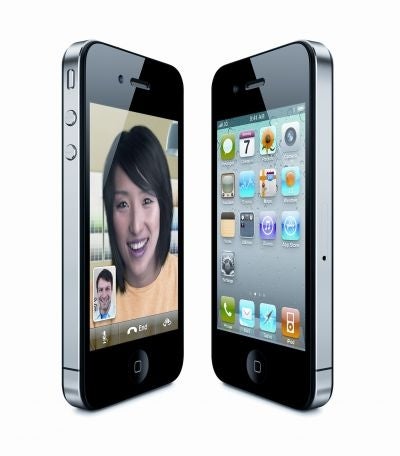
All 50 million iPhones overestimate the strength of their signal, the US computer giant Apple admitted today
Owners of the best-selling smart phones have long complained that they experience calls that either fail to connect or break up mid-conversation even when the phone indicates there is an adequate signal.
The problems have increased with the latest incarnation, the iPhone4, with users reporting a sudden loss of signal if they grip the device over the built-in antennae.
Apple responded to the concerns last night by emailing iPhone4 customers explaining a software fault exaggerated the strength of the signal, indicating calls could be made when they could not.
The company will release a software ‘patch’ to repair the fault on the iPhone4 and on earlier models the 3G and 3GS, in the next few weeks. Customers of the iPhone4, which is sold out across the country, will be offered a refund of the £500 retail price if still unhappy after the update.
Apple said the software problem had been present since it released the first iPhone three years ago.
The iPhone illuminates five bars to indicate signal strength, with one being low and five high. Apple said that iPhones over-estimated the strength by up to two bars.
“We have discovered the cause of this dramatic drop in bars, and it is both simple and surprising,” Apple wrote to customers, saying that customers had claimed the antennae was faulty.
“Upon investigation, we were stunned to find that the formula we use to calculate how many bars of signal strength to display is totally wrong. Our formula, in many instances, mistakenly displays 2 more bars than it should for a given signal strength. For example, we sometimes display 4 bars when we should be displaying as few as 2 bars.”
It continued: “Users observing a drop of several bars when they grip their iPhone in a certain way are most likely in an area with very weak signal strength, but they don’t know it because we are erroneously displaying 4 or 5 bars. Their big drop in bars is because their high bars were never real in the first place.”
After the software patch, the real signal strength will remain the same, Apple said, but the iPhone’s bars will report it far more accurately, better informing users of the reception they will get in an area. Bars 1, 2 and 3 will be made taller so they are easier to see.
Subscribe to Independent Premium to bookmark this article
Want to bookmark your favourite articles and stories to read or reference later? Start your Independent Premium subscription today.
Join our commenting forum
Join thought-provoking conversations, follow other Independent readers and see their replies