Does anyone eat normally any more?
Bizarre intolerances, extreme diets, drunkorexia, orthorexia, bigorexia... why is it that so many of us now have such an unhealthy relationship with our food?
Sign up to our free Living Well email for advice on living a happier, healthier and longer life
Live your life healthier and happier with our free weekly Living Well newsletter
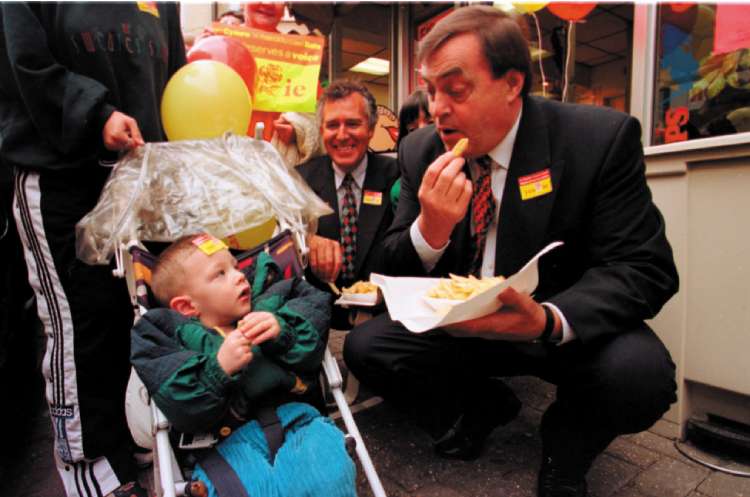
Perhaps John Prescott's recent revelation shouldn't have been so surprising; though bulimia was not even recognised as a medical condition just 30 years ago, now over 1 million Britons are known to have an eating disorder. And while bulimia, along with anorexia – which killed the 49-year-old academic Rosemary Pope last month – are eating-disorder stalwarts, there is a whole swathe of new dietary disturbances on the rise: drunkorexia – substituting meals with alcohol; orthorexia – obsessive healthy eating; and bigorexia – men bingeing on protein for more muscle mass. Add to these an ever-increasing array of food intolerances, imagined or otherwise, food phobias, faddy diets and health trends, and one starts to wonder: does anyone eat normally any more? And why are we all so obsessed with the way we – and others – eat?
While bulimics and anorexics tend to keep their habits secret, "disordered eating" – as this very modern phenomenon is officially known – has become culturally acceptable. Celebrities adopt dangerous diets confident that instead of ridicule their bizarre regimes – recent favourites including Jennifer Aniston's baby-food diet and Beyoncé Knowles surviving near-starvation on maple syrup – will spawn "how to" pieces in magazines. TV shows such as You Are What You Eat and The Diets That Time Forgot make for mainstream viewing, while books about controlling food intake are instant bestsellers. And diet expertise has made a star of Gillian McKeith and reinvented Carol Vorderman.
"I'm definitely seeing more clients with eating disorders and a wider range of issues with food," says Gary Foster, a hypnoanalyst at the Bedford Hypnotherapy Clinic. "I think it's because there's so much pressure to look good and eat the right foods. People are sensitive to what others think, and susceptible to others' critiquing of bodies and lifestyles." Such concerns are far from misplaced, as food has become powerfully fashionable: people are judged by how much they eat, their tastes, the brands they buy and which supermarket they shop at. Diet is the new arena in which to express ourselves.
Perhaps the most widespread modern fad is food intolerances, which – according to Allergy UK – around 45 per cent of us claim to suffer from. Throwing a dinner party these days is a nutritional minefield, with wheat, dairy, mushroom and nut allergies challenging even the most creative of chefs.
"I have swathes of anxious adults come into my surgery convinced they have an allergy," says Dr Carol Cooper, a GP and health writer. "When a GP says there's nothing wrong with them, they decide their diet must be causing problems. Minor ill health is pretty common and many people experience stress, which has physical symptoms, yet they find it easier to blame food."
The TV series Freaky Eaters highlighted the number of people who suffer strange food phobias or addictions – such as a chef who eats only biscuits and a woman obsessed with cheese. One might imagine such issues to be rare, but the story of Chris Hawkins, 28, the Radio 6Music DJ, suggests otherwise. Freaky Eaters showed Hawkins seeking help for his phobia of fruit and vegetables, which caused him to hold his breath when passing them in the supermarket and avert his eyes from other people's plates at dinner parties.
"Just seeing, smelling or touching fruit and veg made me nauseous and anxious," he explains. "It came on overnight when I was four but nobody can explain why."
His diet comprised mainly meat, rice and pasta – if he feared his food had even come into contact with a salad garnish, he'd be unable to eat it. "It was embarrassing and seemed really weird." However, when he mentioned the issue on his radio show, thousands of people got in touch to say they had had similar problems.
The issue of drunkorexia has arisen as people have tried to consume less energy from food so they can stay within their daily calorie quota while drinking alcohol. "During my first term at university I started drinking every day and ballooned," says Clare
Leech, 20, a student from Hull. "All the extra calories made me put on a stone. I tried cutting back on alcohol but realised it was easier to eat less instead." She now regularly skips two meals a day, just so she can drink more – yet Leech believes her behaviour is normal. "Everyone knows you have to watch your calorie intake. I once went to Weight Watchers and they tell you to include alcohol in your daily count, so I'm simply doing that. Many of my friends do the same."
On the other side of the spectrum, orthor-exics are obsessed with consuming only "pure" food, forgoing anything that could be considered toxic – from alcohol and sugar to any unorganic or processed produce.
Bigorexia, meanwhile – the excessive consumption of protein and carbohydrate – is a growing trend among men obsessed with bulking up their bodies. Charlie Weaver, 32, a private banker from London, has followed a regimented eating plan for two years. He often breakfasts on chicken or eggs with pasta, consumes three protein shakes a day and religiously checks the nutrition of everything he eats. "Friends tell me to relax," he says, "but I'm so used to controlling my diet I don't think I could stop. I even find holidays stressful because my eating and exercise routine gets disrupted. Working in the City can be manic but the security of knowing my diet is right makes me stress less."
For many people, disordered eating is born from food's separation from its basic function as fuel – which is a by-product of too much choice, believes Dr Cooper. "People fuss about their food so much nowadays they have lost any normal outlook," she says. "They don't obsess just about avoiding ingredients, they elevate other items to 'superfood' status. Eating is imbued with the idea that 'you are what you eat', which makes people fixate. Even the word 'diet' has developed control connotations and lost its neutral 'daily menu' meaning." Maybe it is because the traditional "normal daily diet" no longer exists. n
For help with understanding eating disorders, visit www.b-eat.co.uk/home
'People say I'm orthorexic'
by Alex Rees, 27
As a sport and exercise student, I'm very conscious of what I eat. I've never drunk any alcohol and never will. I don't eat carbs and would never touch white bread or pasta. I eat fish and chicken but never red meat. My favourite breakfast is smoked salmon with hard-boiled eggs, minus their yolks. Lunch is usually green soup, made of a variety of green vegetables, plus a tuna salad, and dinner is roast vegetables or grilled chicken. I snack on fruit, nuts and raw spinach. I eat a chocolate bar about four times a year. I've relaxed over the last couple of years and started drinking coffee.
I've been like this since school. I stopped drinking milk when I was eight as I had skin problems and attributed them to lactose intolerance. At 14, I started making my own packed lunch with Ryvitas and salads.
People feel threatened by my eating habits. At a wedding one woman accused me of being anorexic when I wouldn't eat bread because of its high GI count, but I'm a healthy weight and enjoy eating.
It's not about discipline; I just don't desire unhealthy food. I am a control freak and would hate to ever feel my body or diet were out of my control.
tasiemka; john frost archive
Subscribe to Independent Premium to bookmark this article
Want to bookmark your favourite articles and stories to read or reference later? Start your Independent Premium subscription today.
Join our commenting forum
Join thought-provoking conversations, follow other Independent readers and see their replies