Family doctors 'make 600 mistakes a day'
One in five of the errors causes harm to patients, NHS watchdog warns
Sign up to our free Living Well email for advice on living a happier, healthier and longer life
Live your life healthier and happier with our free weekly Living Well newsletter
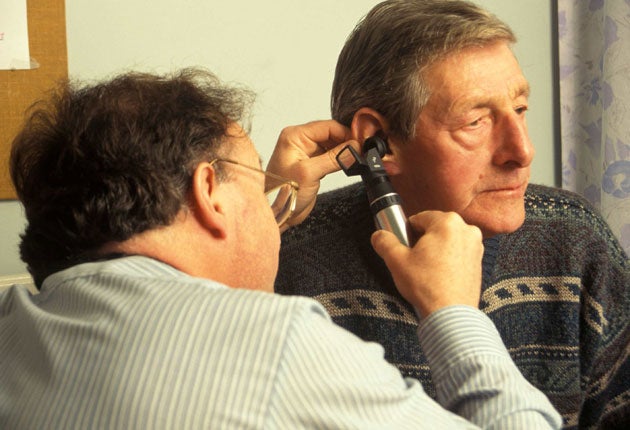
Family doctors are committing up to 600 errors a day, mainly in diagnosis and treatment, but are among the worst staff at reporting them, an NHS watchdog says today.
Many errors are minor, but up to one in five cause harm to patients and failure to report them means they are more likely to be repeated, the Healthcare Commission says. It adds that more attention must be given to incidents threatening patient safety across the NHS. It calls for a special focus on GPs who have the "vast majority" of contacts with patients, and because of the "significant risks" associated with prescribing medicines or making a wrong diagnosis.
The figures were questioned by the Department of Health, who said they were taken from a 2002 review of research showing reported errors by GPs ranged from 40 to 600 a day (five to 80 per 100,000 consultations). "The commission have taken the upper figure," a spokesperson said
The Healthcare Commission said the main problem was a lack of reporting. Of 959,000 incidents across the NHS in 2007-08 in which patients were put at risk, submitted to the National Patient Safety Agency, only 0.3 per cent were reported by GPs.
Even these figures are thought to vastly understate the scale of the problem. One in seven primary care trusts, and one in 14 hospital trusts, did not report any incidents at all between April and June 2008, implying that they are turning a blind eye to errors.
Yet an investigation by the National Audit office in 2005 concluded that half of all reported incidents could have been avoided if staff had learnt the lessons of previous mistakes.
Sir Ian Kennedy, the chairman of the commission, presenting its last annual report on the state of the NHS before its replacement next year by the Care Quality Commission, said access had been the chief problem when the watchdog was established six years ago and that there had been "dramatic improvements" in waiting times since. But more now needed to be done to improve the quality and safety of care. "Patient safety is the highest priority of the commission. In my view we are just out of the starting blocks on this. There is much to do before we can be confident that the care patients receive is as safe as it can be," he added.
Anna Walker, the chief executive of the commission, said better reporting of incidents was essential. "There is very little from GPs and not much from doctors generally," she said. Almost one in four complaints about GPs is over late or wrong diagnoses.
There were 7,660 cases of severe harm (such as removing the wrong kidney) and 3,471 deaths among the total safety incidents in the NHS reported last year. The commission called for a national database of serious incidents and said NHS trust boards should publish comparative figures.
Subscribe to Independent Premium to bookmark this article
Want to bookmark your favourite articles and stories to read or reference later? Start your Independent Premium subscription today.
Join our commenting forum
Join thought-provoking conversations, follow other Independent readers and see their replies