Scarlet fever, scourge of the 19th century, is coming back
3,000 contracted disease last year, raising fears it is making an unwelcome return

Sign up to our free Living Well email for advice on living a happier, healthier and longer life
Live your life healthier and happier with our free weekly Living Well newsletter
Scarlet Fever, the disease which killed thousands during the 19th century, is making a comeback, public health specialists have warned.
Almost 3,000 cases of the disease were recorded in 2008 in England and Wales, the highest number for a decade, and there are fears its virulence may be increasing. The Health Protection Agency has launched a programme of "enhanced surveillance" to monitor infections and spot any unusual features that could signal a change in the disease.
Winter is the peak season for scarlet fever but the increase seen in the past two months is "above that seasonally expected", according to the HPA. Alerts have been issued to regional health protection staff and consultant microbiologists. A letter has also been prepared for circulation to hospital emergency wards and GP surgeries warning them to be alert.
Scarlet fever, also known as Scarletina, is caused by a bacterium, Group A Streptococcus, which is the most common cause of bacterial sore throat ("strep throat"). Symptoms of scarlet fever usually include a sore throat, fever and swollen glands.
Most cases are easily treated with antibiotics. In rare cases the disease can lead to pneumonia, throat abscess, sinusitis and meningitis.
In severe cases, the bacteria may become invasive, causing necrotising fasciitis (the "flesh eating" bug), septicaemia and toxic shock syndrome. An increase in cases of invasive strep A is of particular concern because it can be deadly, killing up to one in four of those diagnosed. The risk is highest in those already seriously ill with reduced immunity, but also depends on the type of infection and the strain.
Scarlet fever caused devastating epidemics through the 19th and early 20th centuries, and killed almost5 per cent of those infected in 1914.
Sufferers were isolated for weeks and their clothes and bedding burnt to prevent contagion. Over the past century, the number of cases and virulence of the infection has declined for reasons not fully understood.
Experts say the disease follows a cycle, rising and falling roughly every four years and that is mirrored by a rise and fall of the more deadly invasive variant. Cases have hovered between 1,600 and 2,500 over the past decade but rose to 2,913 last year. Theresa Lamagni and colleagues from the HPA say in the journal Eurosurveillance: "It is possible the significant influenza activity this winter may be contributing by increasing transmission ... and/or rendering individuals with influenza more susceptible ..."
The disease may also be becoming more severe. The authors note that no unusual strains have been identified but the number of infectious caused by one of the more dangerous strains is suspected to have risen.
Case Study: I could not breathe ...'
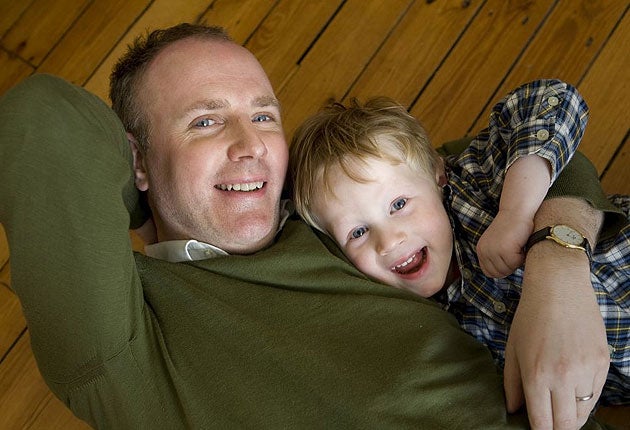
*Ed Gyde, 40, spent a week in hospital with pneumonia after he caught scarlet fever earlier this year. The chief executive of Audience PR, a communications consultancy, caught the infection from his three-year-old son, James, and was eventually in hospital being administered with intravenous antibiotics, oxygen, and asthma inhalers.
"It was a horrendous experience. My skin was like sandpaper. It was as if my body had been taken over," he said.
The disease struck the family after their return from a holiday. James escaped with a mild infection, but his father was not so lucky. "For five or six days I was unable to sleep with the cough and fever. Then my skin peeled off as if I had very bad sunburn ... I was coughing, thirsty and weak and couldn't breathe."
Subscribe to Independent Premium to bookmark this article
Want to bookmark your favourite articles and stories to read or reference later? Start your Independent Premium subscription today.
Join our commenting forum
Join thought-provoking conversations, follow other Independent readers and see their replies