Graca Machel: Africa's people need bold, focussed and sustained leadership from its governments
Sign up for the View from Westminster email for expert analysis straight to your inbox
Get our free View from Westminster email
It would be easy, when faced with the crisis in development that now threatens Africa, to demand that the rest of the world ride to our rescue. After all, it is not the people of Africa who are responsible for the financial crisis devastating our economies or the climate change that has unleashed floods, droughts and storms on our land.
The latest report from the Africa Progress Panel details the impact of these twin disasters on the continent. But it is also clear that, wherever the blame lies, the main responsibility for reducing their impact on Africa lies with the continent’s own leaders.
This does not mean the rest of the world can walk away. But without bold, focussed and sustained leadership from Africa’s governments, outside assistance won’t safeguard our people or protect the progress we have made. African business must also be an active part of the pact to make the continent work better for all its people.
You don’t have to look further than my own country, Mozambique, to see what’s at stake. Over the past 15 years, it has been one of Africa’s greatest success stories. Indeed, its journey from conflict to democracy, stability and strong growth has given me joy, and hope to our whole continent.
But the financial crisis, collapse in trade and cuts in overseas investment have dramatically reduced economic growth. Money sent back home by our citizens abroad has been cut back as jobs overseas are lost. While, for the moment, the government can continue to fund health and educational services, the effect on families in Africa is instant.
When you lose your job, there is no redundancy payment, welfare safety net or savings to soften the blow. From being able to put bread on the table one day, the next you can no longer feed your family. The result is hunger, disease and despair. As is the case elsewhere, it is the very young who are most at risk.
My country was, of course, already struggling with the increasing impact of climate change. Every year since 2000, Mozambique has been hit by flooding, drought or cyclones far worse than we would expect. Hundreds of thousands have been forced to flee their homes. Crops are destroyed.
Mozambique has put in place effective disaster management policies and structures so loss of life is reduced. But scarce resources are spent each year replacing schools and clinics, instead of building anew.
South Africa, where I live now, is also suffering particularly from the impact of the global economic meltdown. But for the boost that preparations for the football World Cup next year are giving to the economy, the position could be much worse.
Across the continent, we are seeing the same story of economic decline and extreme weather threatening solid progress. It is a tragedy that, when millions of Africans believed their countries and continent were finally on the right track, this crisis has fallen on our shoulders.
But it is how Africa, in partnership with the international community, reacts to this challenge that will decide whether we go forward or slip back. At times of crisis, bold and visionary leadership is more important than ever. That’s what is now needed in Africa. Our leaders, who have already shown what can be achieved, need to redouble their efforts and work together to consolidate the right foundations for Africa’s prosperity.
Africa’s land is rich but the way we farm is behind the times. It is why our continent is the only one that can not feed itself. If we learn from the success of others and adapt techniques and crops to our own particular needs and conditions, we have a huge opportunity not just to feed 900 million Africans but also to help meet food shortages in other continents.
In Mozambique, for example, the Government already has the right policies for a major expansion of cereal production, especially rice. The need now is to work with local farmers, big and small, and with international partners to reap the benefits of an African green revolution. We need as well to step efforts to harness Africa’s immense potential to produce green energy - and invest to modernise the continent’s infrastructure to boost trade within and outside the continent.
But using money wisely also means far more rigorous efforts to root out corruption – an estimated $150bn burden on Africa’s people. Our leaders need to show much greater resolve in tackling this cancer. Good clean governance is not an optional extra, but essential to fulfil Africa’s potential.
It is not the right laws that are missing. It is the determination to investigate and bring to justice those guilty of diverting the continent’s resources into their own pockets. The most important single step is to safeguard and strengthen the independence of the judiciary. Too often prosecutions fail because the courts can be pressurised to protect the corrupt but powerful.
The role of civil society must also be bolstered. We have seen the growth in organisations and networks outside government that represent the interests of citizens. But these voices, important watchdogs on corruption and champions of change, are still too often too weak and fragmented. African Governments must have the confidence to encourage a strong civil society and its engagement with local, national and regional partners.
At the same time, Africa must find a stronger united voice in the international community. We can’t allow the interests of our continent to be marginalised. We need to negotiate a better deal so that Africa benefits fully from the natural resources with which our continent is so richly endowed. This is the best way to persuade the wealthier countries to offset the calamitous drop in income that Africa is now suffering. Short-term grants, loans and easier credit are also important contributors to Africa’s growth.
Africa has reason to be angry at the way it is paying the price for the mistakes and misjudgments of others. But there is no point in simply lamenting our fate. We need bold leadership from Africa. The international community must live up to its responsibilities and commitments. The campaign group ONE today reports on the G8’s mixed progress so far. If all our leaders rise to the challenge, the result will be a stronger Africa and a better world.
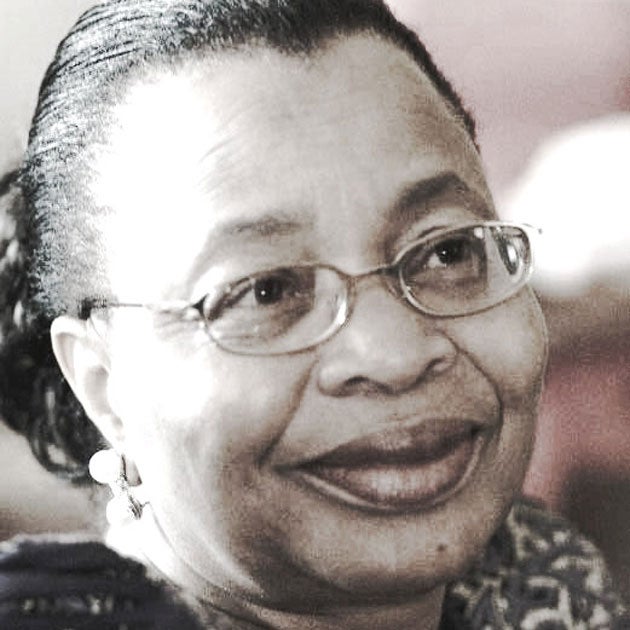
Graca Machel is a member of the Africa Progress Panel.
Join our commenting forum
Join thought-provoking conversations, follow other Independent readers and see their replies