Simon Calder explains what is changing for Brits travelling to Europe after 12 October
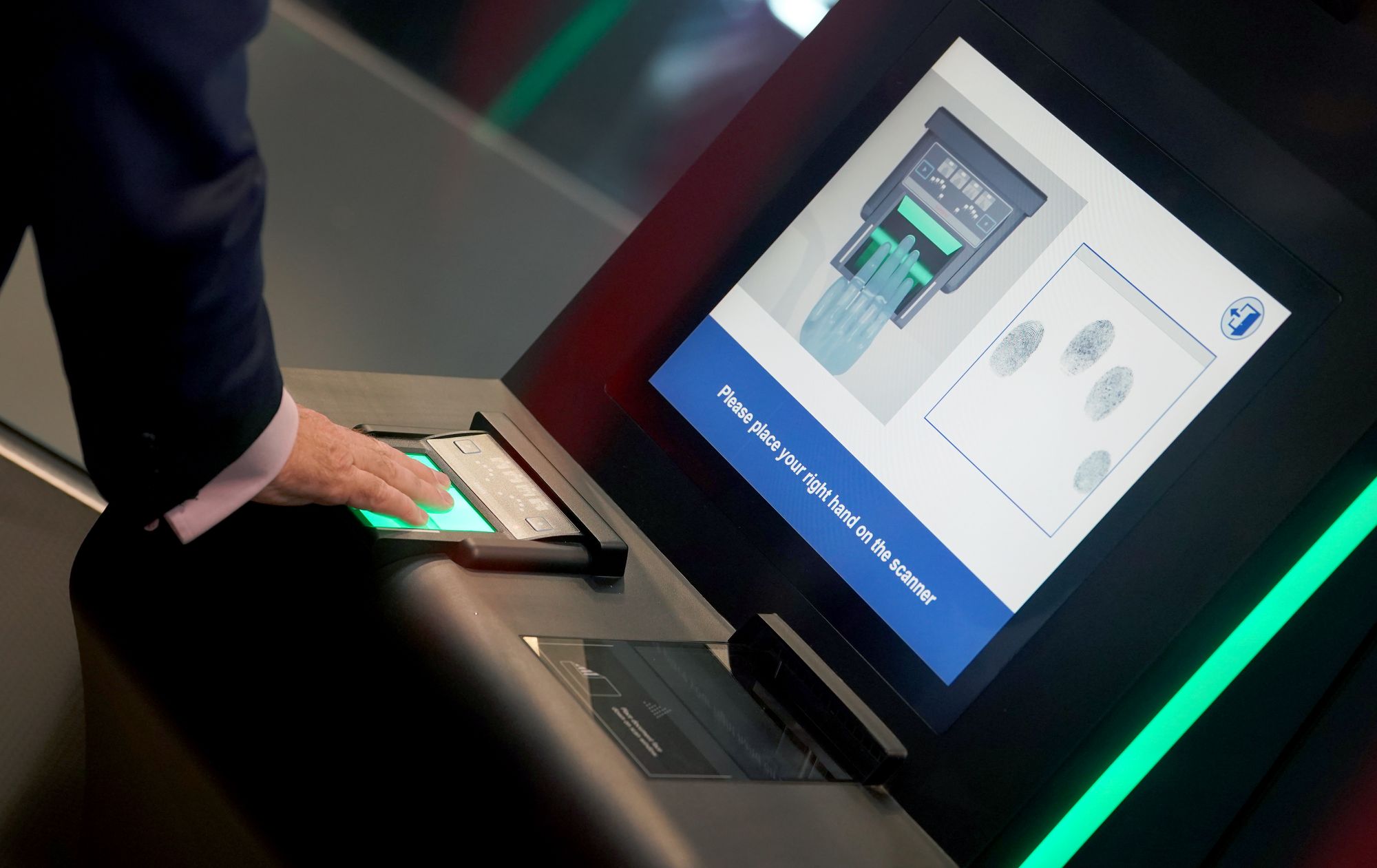
An identity and fingerprint terminal is used during a preview of the newly developed Entry Exit System (EES) zone at the Eurotunnel terminal in Folkestone, Kent (PA)
The European Union's Entry-Exit System (EES) is a new digital border scheme set to affect British passport holders and other 'third-country nationals' entering the Schengen area.
The EES aims to combat crime and enforce the 90-day stay limit within any 180-day period, collecting biometrics such as facial scans and fingerprints upon a traveller's first entry.
Travellers will typically register at kiosks at external Schengen borders, providing their passport details and biometrics, with subsequent visits involving a facial biometric check.
The system is being rolled out gradually over 180 days, from 12 October 2025 to 9 April 2026, meaning initial implementation will be on a token basis at select locations.
Data collected by the EES will be retained for three years after each interaction, and while medical insurance is not mandatory for EES, it is strongly recommended for all travellers.