How to catch Ursid meteor shower’s peak as it lights up sky through Christmas
Bookmark popover
Removed from bookmarks
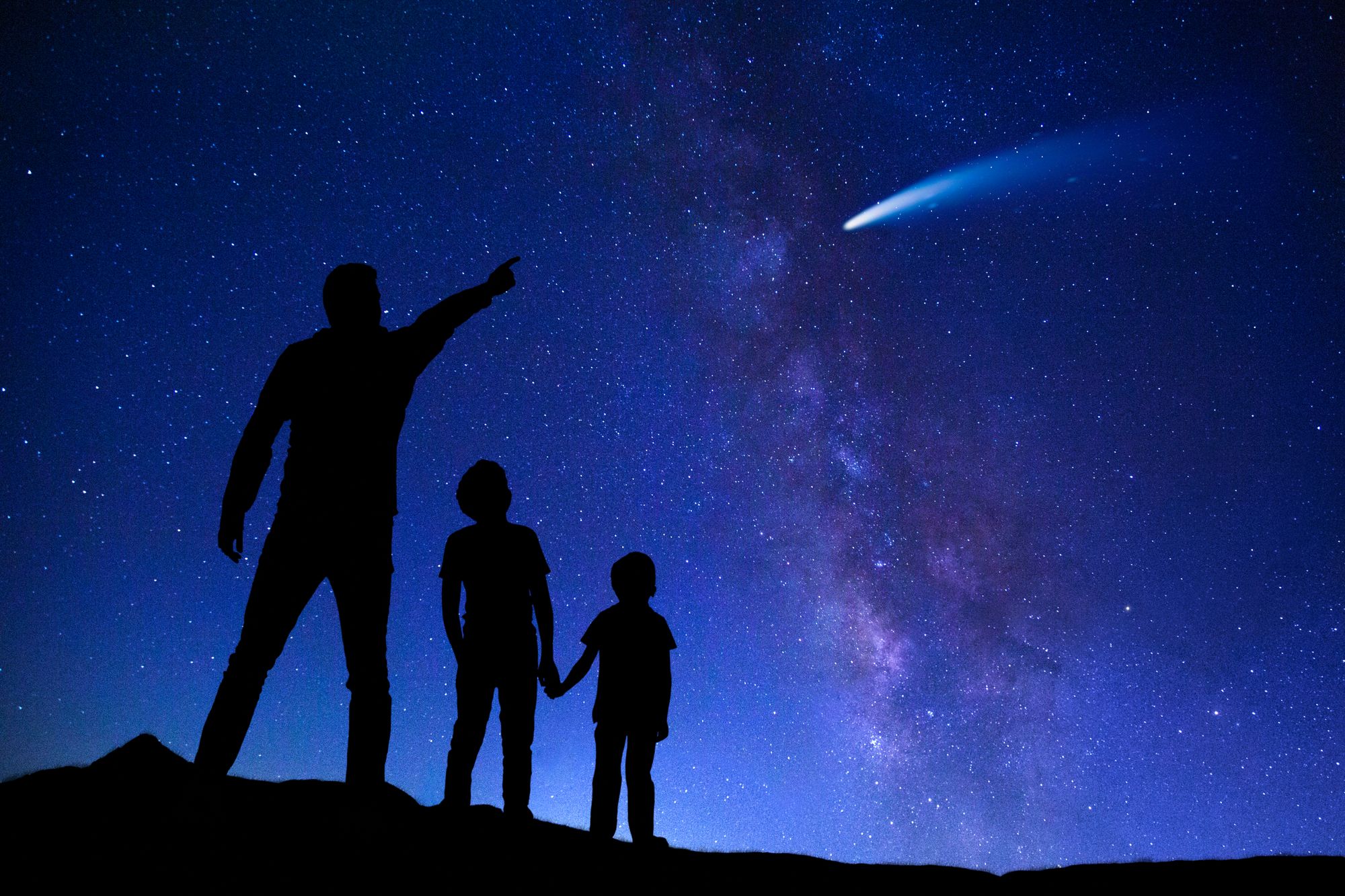
The Ursids feature less space debris than other showers like the Geminids, but the narrow crescent moon won't be much of an obstacle when they peak (Getty/iStock)
The Ursids, the final major meteor shower of the year, will peak from Sunday night into Monday morning and remain visible until December 26.
Visible from the Northern Hemisphere, skygazers can expect to see between five and 10 meteors per hour, with potential outbursts reaching up to 25.
Meteor showers occur when Earth passes through cosmic debris from comets or asteroids, causing space rocks to burn up upon entering the atmosphere.
The Ursids originate from comet 8P/Tuttle, with meteors appearing to radiate from the constellation Ursa Minor, also known as the Little Dipper.
No special equipment is required to view the shower; observers should seek dark locations away from city lights and allow their eyes to adjust.



Bookmark popover
Removed from bookmarks