Study finds humans were making fire far earlier than we first thought
Bookmark popover
Removed from bookmarks
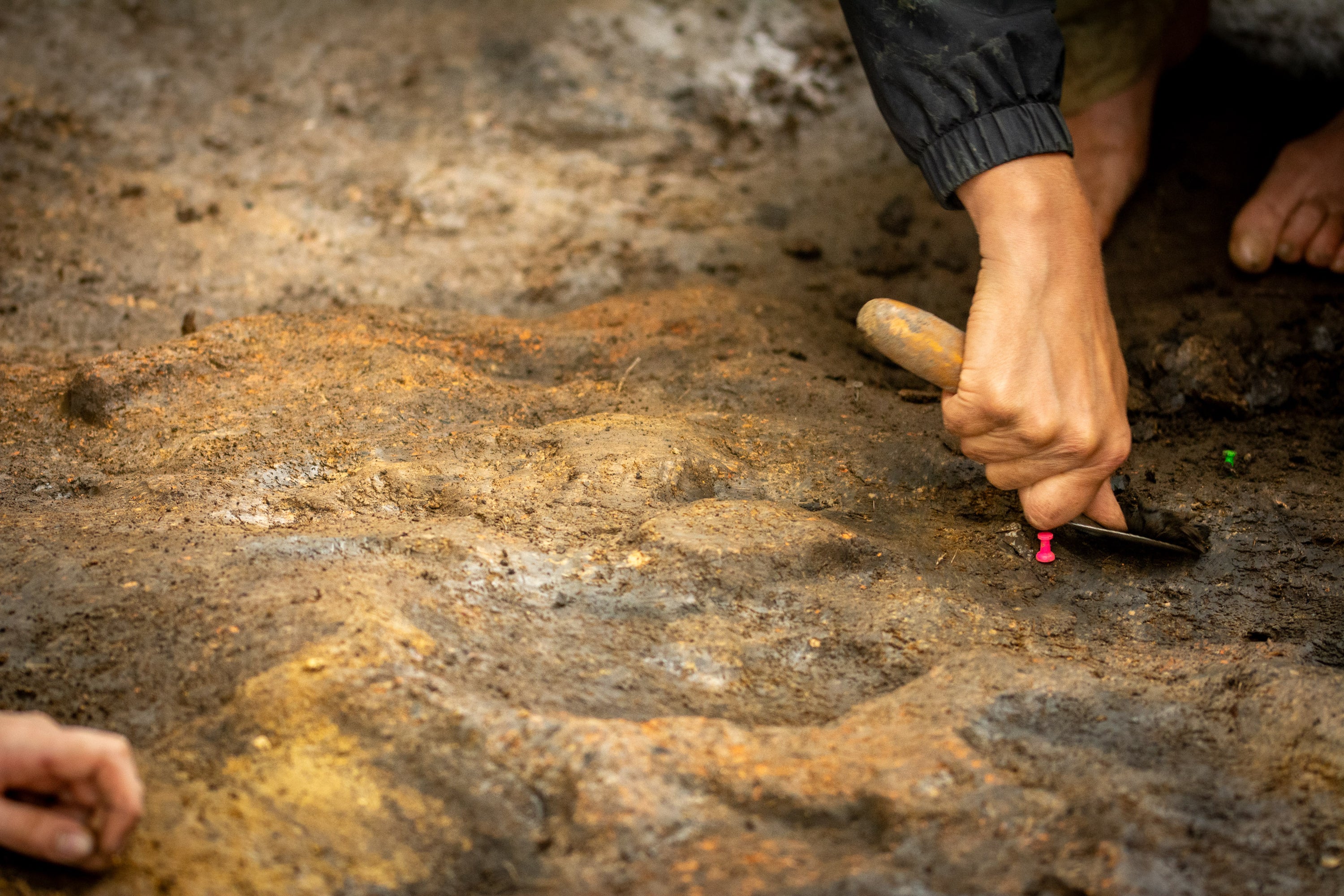
The controlled use of fire had “profound effects on human evolution”, say the study’s authors. (Jordan Mansfield/PA Wire)
Groundbreaking research has revealed the earliest known evidence of human fire-making in the UK, dating back over 400,000 years.
The discovery was made at a disused clay pit near Barnham, Suffolk, pushing back the timeline by 350,000 years from the previous record in northern France.
Evidence found at the site includes fire-cracked flint hand axes, heated sediments and two fragments of iron pyrite, a mineral used for striking sparks.
Geological studies confirmed the local rarity of pyrite, suggesting deliberate transport, while geochemical tests indicated repeated, controlled fire use rather than wildfires.
Experts from the British Museum and Natural History Museum highlight that controlled fire had profound effects on human evolution, aiding survival, cooking, social interaction and potentially brain development and language.



Bookmark popover
Removed from bookmarks