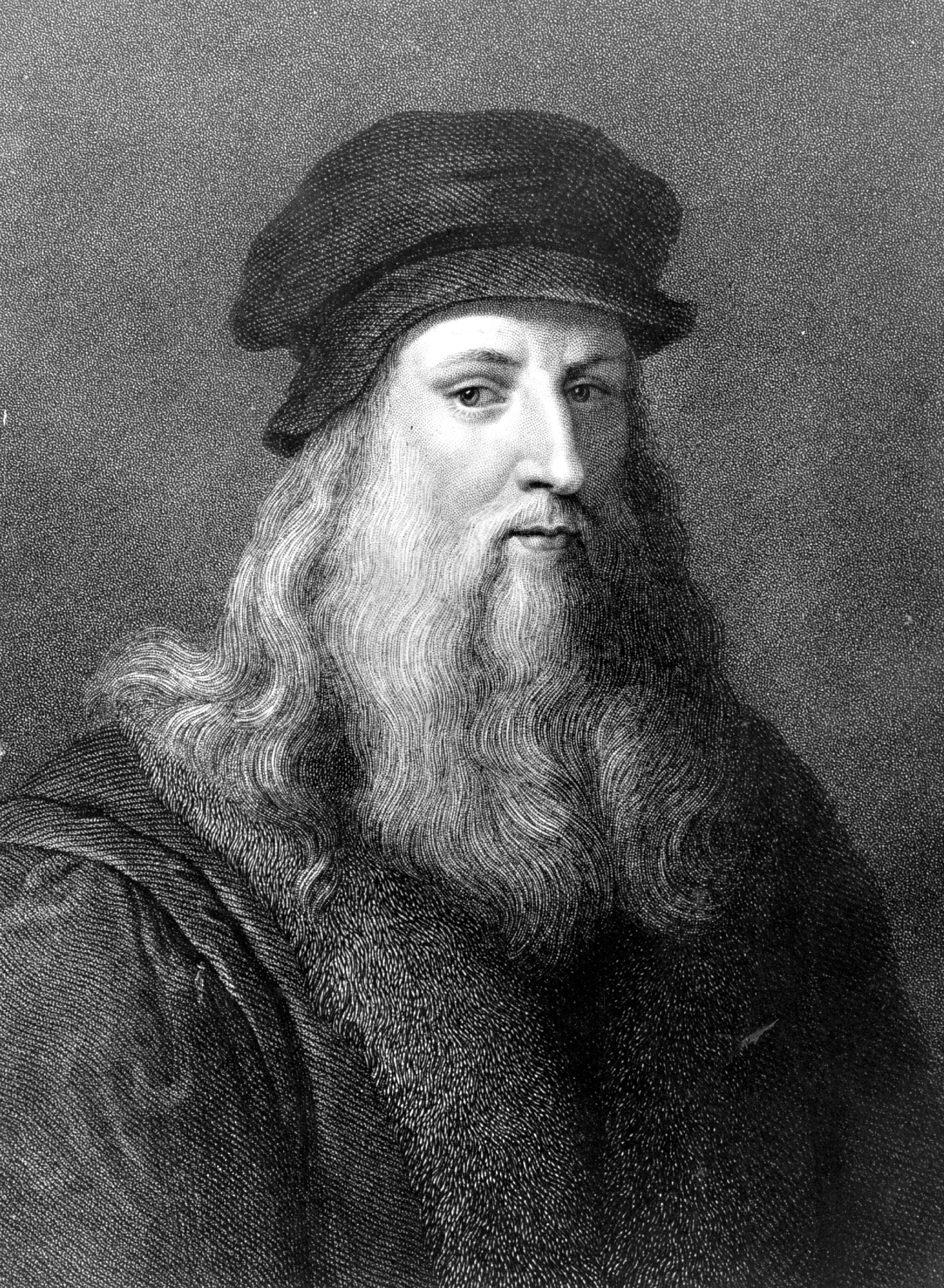
Scientists may have extracted Leonardo da Vinci’s DNA from Renaissance artwork for first time

Notifications can be managed in browser preferences.
Please refresh the page or navigate to another page on the site to be automatically logged inPlease refresh your browser to be logged in
Download our
Social Partner


Please refresh the page or navigate to another page on the site to be automatically logged inPlease refresh your browser to be logged in
Bookmark popover
Removed from bookmarks