Rock discovery offers fresh insights into planet’s earliest history
Bookmark popover
Removed from bookmarks
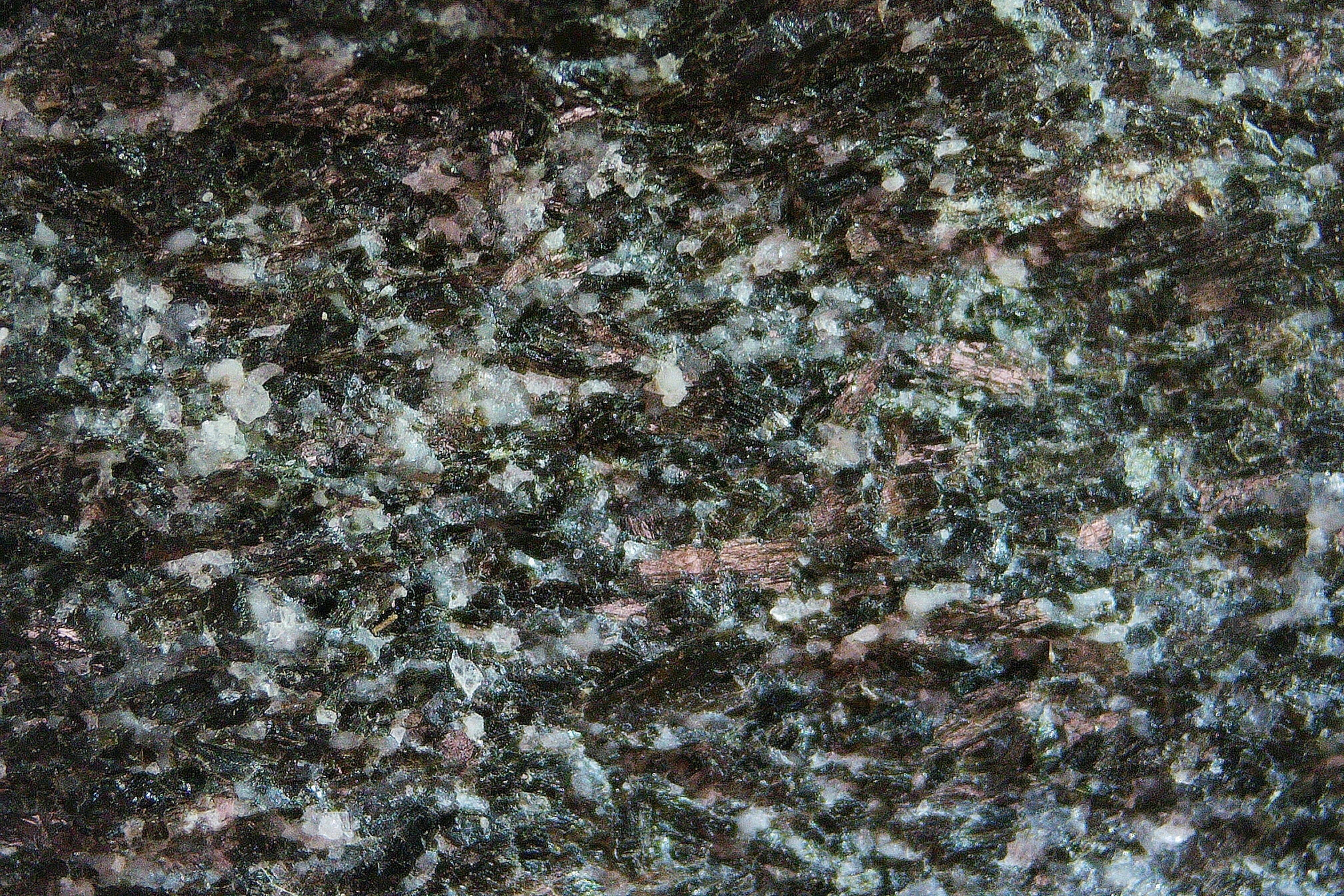
A closeup of a rock from Canada's Nuvvuagittuq Greenstone Belt dated to about 4.16 billion years old (Jonathan O'Neil)
A new study has identified rocks in Canada's Nuvvuagittuq Greenstone Belt as approximately 4.16 billion years old, potentially making them the oldest rocks on Earth.
This research resolves a long-standing scientific debate regarding the precise age of these streaked grey stones, bridging previous estimates of 4.3 billion and 3.8 billion years.
Scientists employed two established dating techniques, which measure the decay of radioactive elements, to arrive at the refined age.
The discovery significantly contributes to understanding Earth's earliest formation, offering insights into the planet's primordial state and the origins of life.
The ancient rock formation is located on tribal Inukjuak lands, and the local Inuit community has restricted sampling due to past damage, seeking to collaborate on establishing a provincial park for protection and research.



Bookmark popover
Removed from bookmarks