The South Korean holiday island where drugs keep washing up disguised as oolong tea
Bookmark popover
Removed from bookmarks
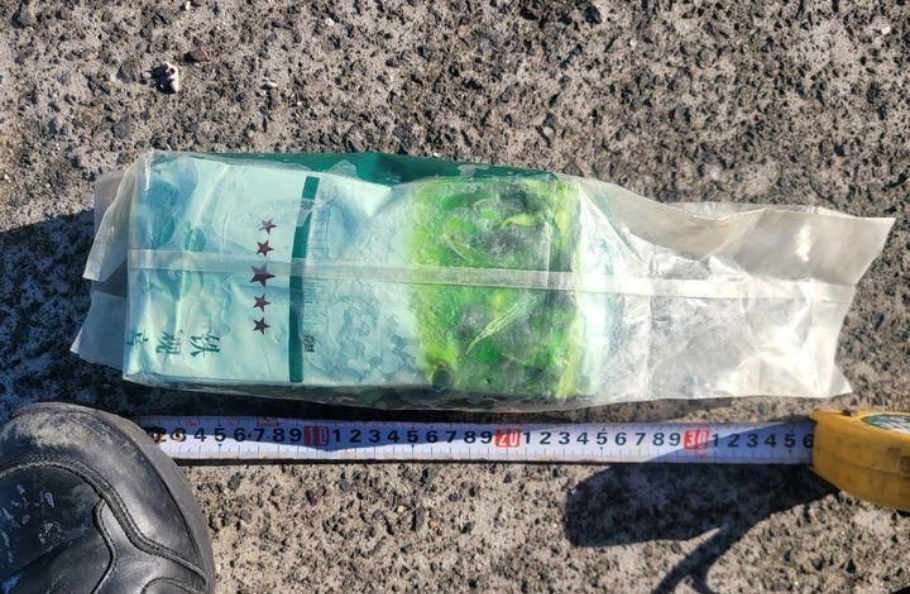
Ketamine, falsely labelled as oolong tea, has washed up on the South Korean coast (Jeju Coast Guard)
Over 28kg of ketamine, falsely labelled as oolong tea, have washed ashore on South Korea's Jeju Island beaches since late September.
The illicit drug, found in foil-wrapped packets marked with Chinese characters, was discovered at various sites including popular tourist spots like Gwangchigi Beach.
Authorities estimate the total value of the recovered ketamine to be around 87 billion won (£53 million), with each kilogram valued at approximately 3 billion won.
Investigators suspect the packages drifted to Jeju via ocean currents, noting similar finds in Pohang and Japan's Tsushima Island, and are not ruling out organised drug syndicates using sea-based smuggling methods.
Local residents have expressed concern over the drug finds, fearing damage to the island's reputation and potential harm to children, prompting continued coastal searches and warnings from officials.



Bookmark popover
Removed from bookmarks