New research finds link between your buttocks and diabetes risk
Bookmark popover
Removed from bookmarks
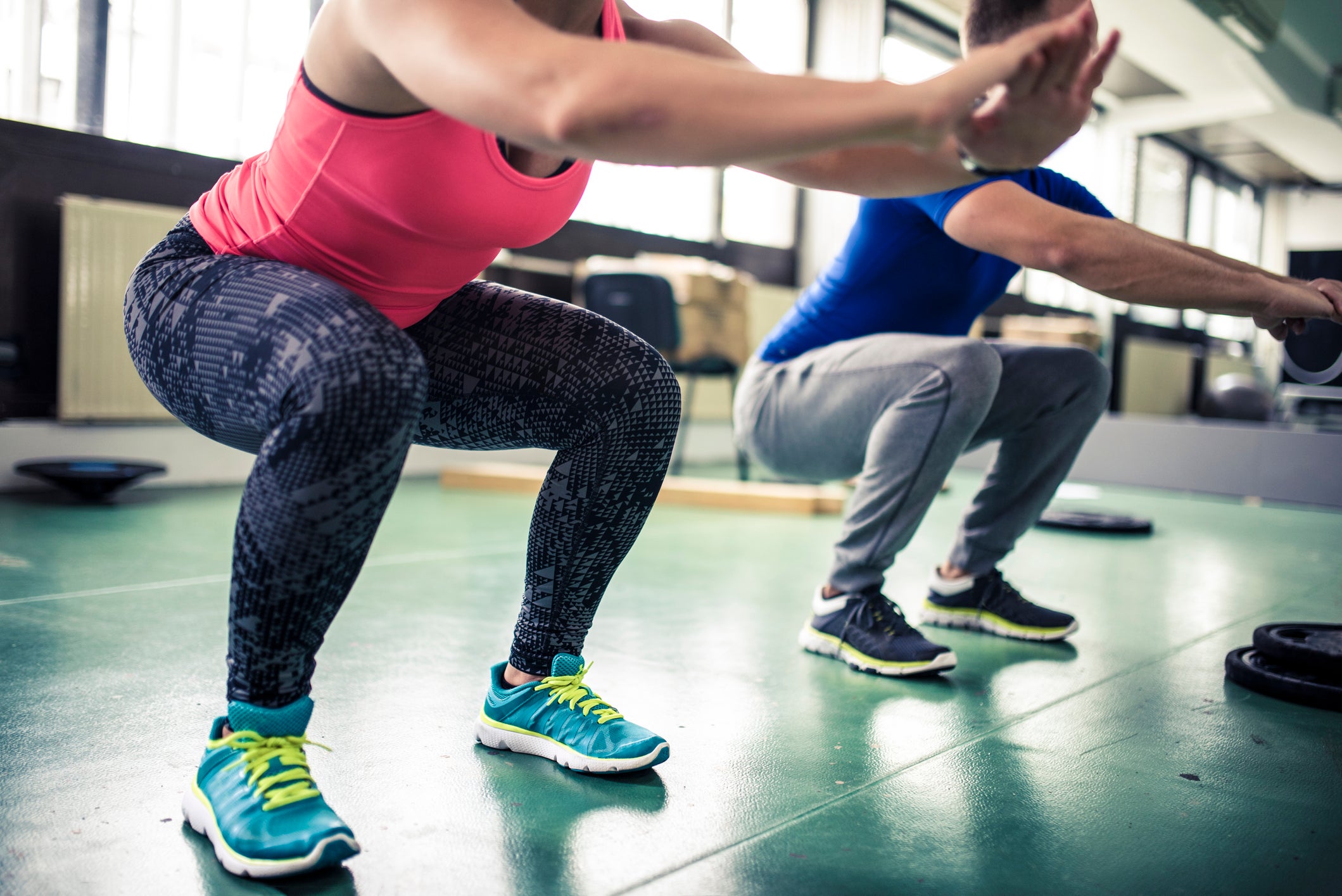
Activities like squatting and lunging more can help improve the shape of glutes (Getty)
New research suggests that the shape of an individual's gluteus maximus muscle can predict whether they are more likely to develop type 2 diabetes.
A study from the University of Westminster found that higher fitness levels were associated with a greater gluteus maximus shape, whereas ageing, frailty, and extended periods of sitting led to muscle thinning.
Utilising MRI 3D mapping on over 61,000 UK Biobank examinations, researchers identified distinct sex-specific patterns in muscle changes linked to Type 2 diabetes.
The analysis revealed that men categorised as frail with diabetes experienced general muscle shrinkage, while women with the condition showed muscle enlargement due to fat infiltration.
Experts stress the importance of maintaining muscle mass, even through simple activities like taking the stairs or performing squats, for regulating blood sugar and reducing the risk of various long-term health issues.



Bookmark popover
Removed from bookmarks