100,000 genetically distinct spiders found in ‘world’s largest web’
Bookmark popover
Removed from bookmarks
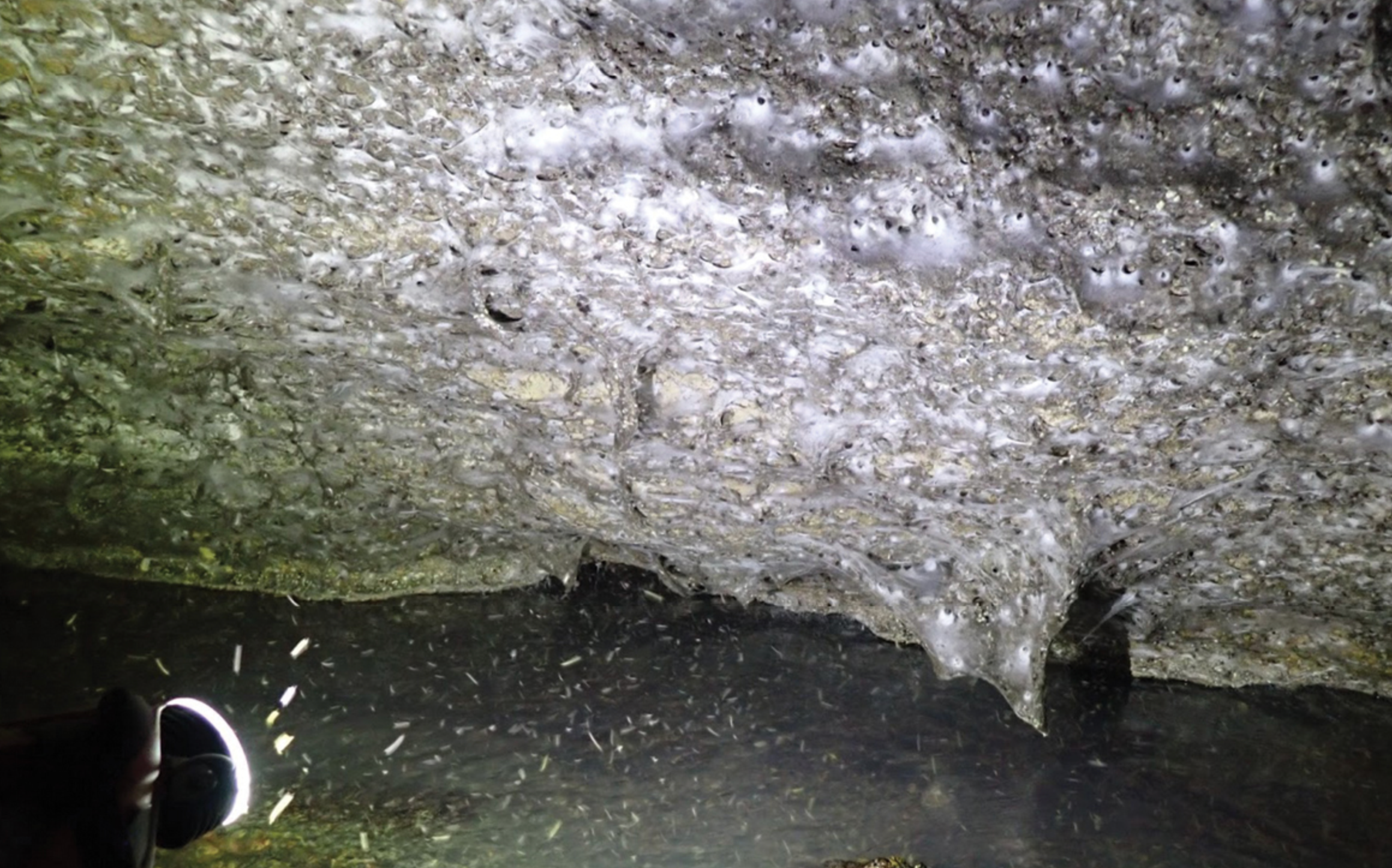
Sulphur cave spiders (I. Urak et al., (Subterranean Biology 2025))
Researchers have discovered what could be the world's largest known spider web, a 100-square-metre 'megacity' in a cave on the Albania-Greece border.
The massive web is home to over 100,000 spiders, comprising 69,000 domestic house spiders and 42,000 sheet weaver spiders.
This discovery is significant as both species are typically solitary, making it the first documented cooperative web woven by multiple individuals of different, normally non-social spider species.
The spiders have adapted to the cave's harsh, lightless environment, sustained by a unique food chain where microbes feed midges, which then become prey for the arachnids.
DNA analysis revealed that the cave spiders are genetically distinct from their surface relatives, indicating adaptation to their unique habitat, with scientists suggesting lack of light may aid their coexistence.



Bookmark popover
Removed from bookmarks