Animals can't keep up with climate change
Study of 11,000 bird and butterfly species shows many are at risk
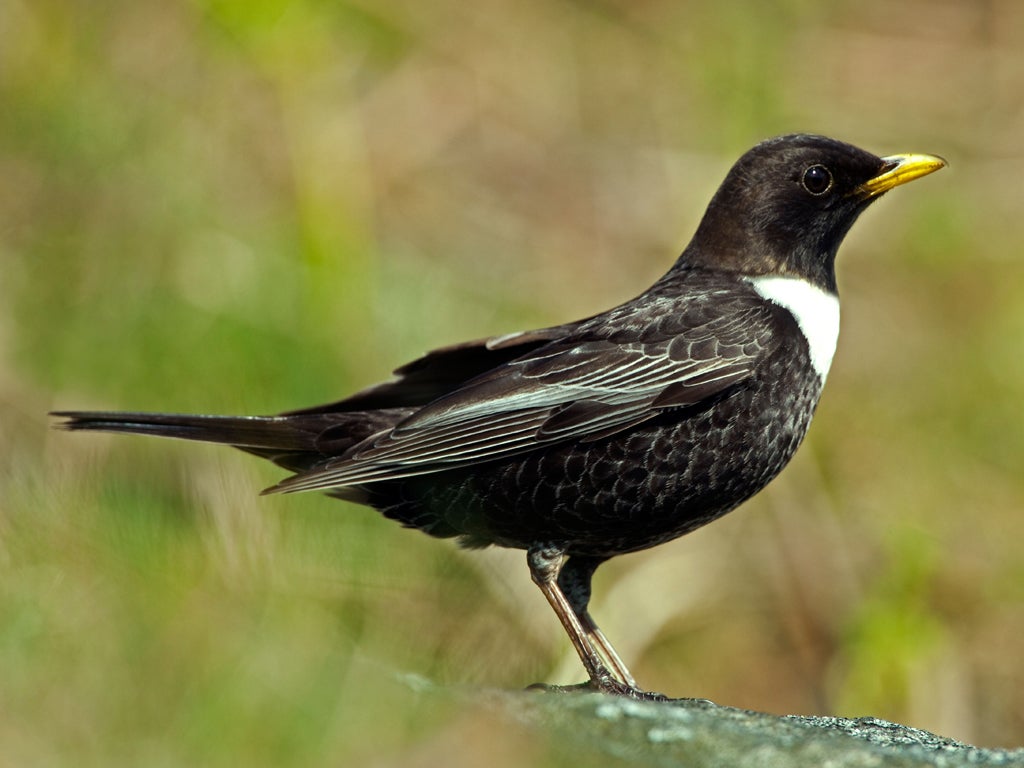
Animal and insect species in Europe are losing the fight to keep up with rapid changes in climate in a new phenomenon dubbed "climatic debt", according to an international study.
Click here to launch our graphic on some of the species at risk
More than 11,000 bird and butterfly species were analysed over 20 years by scientists in the largest study of its kind. Releasing some of the data for the first time, scientists reveal how species are failing to keep up as warmer temperatures move north. The findings saw birds lag behind their normal climate zones, on average by 212 kilometres and butterflies by 135km.
Some birds, such as the black and white pied flycatcher, are unable to adapt to the encroaching warmth and are not naturally moving north to cooler areas, according to experts writing in the journal Nature.
Numbers of the pied flycatcher have halved in the UK since 1995 – researchers believe the birds are not breeding as prolifically as they used to because of rising temperatures. Others, like the golden plover, are in danger of extinction as traditional food sources disappear. The plover's main food source – the cranefly – cannot survive in warmer temperatures.
Experts believe the species at risk are just the tip of the iceberg. Some 9,400 bird and 2,100 butterfly species were monitored. Birds and butterflies were selected because of the vast amount of data that already exists on them – British butterfly records have been kept since the 15th century. The scientists believe other animal species are suffering in similar ways.
Scientists also found a growing gap between birds and butterflies which is having an adverse affect on birds' food supplies because many bird species depend on caterpillars as a staple food.
It was previously thought that bird and butterfly species would swiftly react to changes in climate because of their ability to fly large distances. It is not yet known how the phenomenon will affect the greater ecosystem.
Tom Brereton, head of monitoring at Butterfly Conservation, said: "All animals live in a space in which the climate is suitable. That is moving north at the moment. What we're finding is we're losing species that are associated with cooler temperatures from our butterfly communities."
Experts are now suggesting some threatened species should be moved to new climate spaces, before they become extinct.
"It's something that's never been an issue before," said Mr Brereton. "Do we let the species become extinct or could we play God a bit and move them into places they've never occurred before?"
James Pearce-Higgins, principal ecologist for climate change at the British Ornithological Society, said: "There are species which can suffer when the temperatures are warm, particularly some of the species that may suffer from drought. Some insects can suffer if winters are too mild – for example, if they're hibernators as adults. If it's cold and damp they can get mouldy and die. It varies very much from species to species. What this work does is very much look at a broad, overall pattern. This is the first time it has been done across Europe."
Join our commenting forum
Join thought-provoking conversations, follow other Independent readers and see their replies
Comments
Bookmark popover
Removed from bookmarks