Biofuels make climate change worse, scientific study concludes
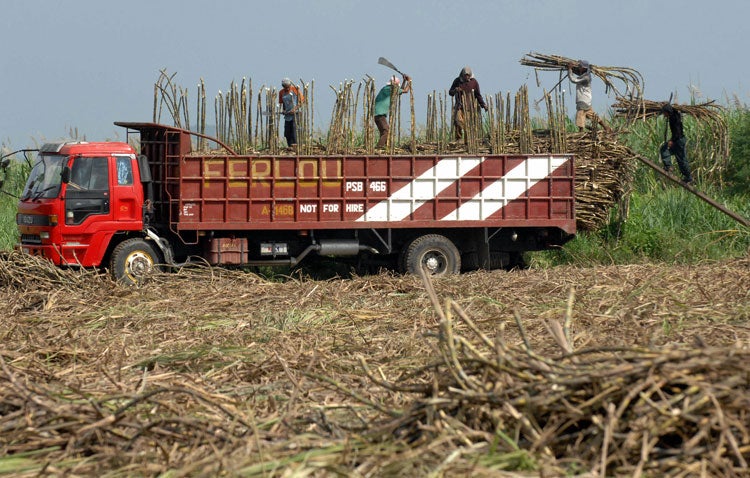
Growing crops to make biofuels results in vast amounts of carbon dioxide being released into the atmosphere and does nothing to stop climate change or global warming, according to the first thorough scientific audit of a biofuel's carbon budget.
Scientists have produced damning evidence to suggest that biofuels could be one of the biggest environmental con-tricks because they actually make global warming worse by adding to the man-made emissions of carbon dioxide that they are supposed to curb. Two separate studies published in the journal Science show that a range of biofuel crops now being grown to produce "green" alternatives to oil-based fossil fuels release far more carbon dioxide into the air than can be absorbed by the growing plants.
The scientists found that, in the case of some crops, it would take several centuries of growing them to pay off the "carbon debt" caused by their initial cultivation. Those environmental costs do not take into account any extra destruction to the environment, for instance the loss of biodiversity caused by clearing tracts of pristine rainforest.
"All the biofuels we use now cause habitat destruction, either directly or indirectly. Global agriculture is already producing food for six billion people. Producing food-based biofuel, too, will require that still more land be converted to agriculture," said Joe Fargioine of the US Nature Conservancy who was the lead scientist in one of the studies.
The scientists carried out the sort of analysis that has been missing in the rush to grow biofuels, encouraged by policies in the United States and Europe where proponents have been keen to extol biofuels' virtues as a green alternative to the fossil fuels used for transport.
Both studies looked at how much carbon dioxide is released when a piece of land is converted into a biofuel crop. They found that when peat lands in Indonesia are converted into palm-oil plantations, for instance, it would take 423 years to pay off the carbon debt.
The next worse case was when forested land in the Amazon is cut down to convert into soybean fields. The scientists found that it would take 319 years of making biodiesel from the soybeans to pay of the carbon debt caused by chopping down the trees in the first place.
Such conversions of land to grow corn (maize) and sugarcane for biodiesel, or palm oil and soybean for bioethanol, release between 17 and 420 times more carbon than the annual savings from replacing fossil fuels, the scientists calculated.
"This research examines the conversion of land for biofuels and asks the question 'is it worth it?' Does the carbon you lose by converting forests, grasslands and peat lands outweigh the carbon you 'save' by using biofuels instead of fossil fuels?" Dr Fargione said.
"And surprisingly the answer is 'no'. These natural areas store a lot of carbon, so converting them to croplands results in tons of carbon emitted into the atmosphere," he said.
The demand for biofuels is destroying the environment in other ways. American farmers for instance used to rotate between soybean and corn crops but the demand for biofuel has meant that they are growing corn only. As a result, Brazilian farmers are cutting down forests to grow soybean to meet the shortfall in production.
"In finding solutions to climate change, we must ensure that the cure is not worse than the disease," said Jimmie Powell, a member of the scientific team at the Nature Conservancy.
"We cannot afford to ignore the consequences of converting land for biofuels. Doing so means we might unintentionally promote fuel alternatives that are worse than the fossil fuels they are designed to replace. These findings should be incorporated into carbon emission policy going forward," Dr Powell said yesterday.
The European Union is already having second thoughts about its policy aimed at stimulating the production of biofuel. Stavros Dimas, the EU environment commissioner, admitted last month that the EU did not foresee the scale of the environmental problems raised by Europe's target of deriving 10 per cent of its transport fuel from plant material.
Professor John Pickett, chair of the recent study on biofuels commissioned by the Royal Society, said that although biofuels may play an important role in cutting greenhouse gases from transport, it is important to remember that one biofuel is not the same as another.
"The greenhouse gas savings that a biofuel can provide are dependent on how crops are grown and converted and how the fuel is used," Professor Pickett said. "Given that biofuels are already entering global markets, it will be vital to apply carbon certification and sustainability criteria to the assessment of biofuels to promote those that are good for people and the environment. This must happen at an international level so that we do not just transfer any potentially negative effects of these fuels from one place to another."
Professor Stephen Polasky of the University of Minnesota, an author of one of the studies published in Science, said that the incentives currently employed to encourage farmers to grow crops for biofuels do not take into account the carbon budget of the crop.
"We don't have the proper incentives in place because landowners are rewarded for producing palm oil and other products but not rewarded for carbon management. This creates incentives for excessive land clearing and can result in large increases in carbon emissions," Professor Polasky said.
Join our commenting forum
Join thought-provoking conversations, follow other Independent readers and see their replies
Comments
Bookmark popover
Removed from bookmarks