CO2 emissions up by nearly a fifth in 12 years
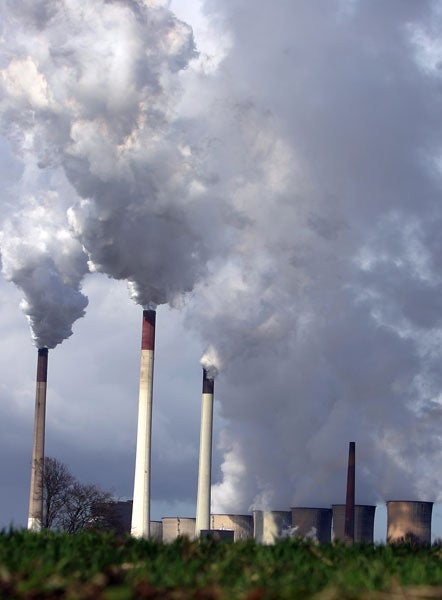
Carbon dioxide emissions caused by UK consumers increased by almost a fifth between 1992 and 2004, research revealed today.
A study by the Stockholm Environment Institute at York University looked at the carbon footprint of all the goods and services consumed by British residents, including those imported from other countries. The research found the amount of carbon dioxide emissions associated with consumption in the UK increased by more than 115 million tonnes in that time, from 646.8 million tonnes to 762.4 million tonnes.
Emissions grew because of an overall increase in the amount of products being consumed and a shift from manufacturing in the UK to other countries where production involved a higher carbon output, such as China. The study counted emissions created through the production and transport of products such as televisions and clothing abroad, as well as goods and services produced in the UK and consumed here including gas and electricity. But it subtracted the carbon footprint of products manufactured here but exported for consumption abroad, to give a clear picture of the emissions associated with consumption in the UK.
While "territorial" emissions - those created in the UK and measured under the UN's Kyoto Protocol on reducing greenhouse gases - fell by 5% from 1992 to 2004, consumer-related emissions rose 18%. Consumption emissions were 37% higher than the territorial emissions in 2004, the study said. Thomas Wiedmann, research associate at the Stockholm Environment Institute at York University, said the study drew up the "total carbon footprint of UK consumers" and provided an insight into the global impacts of consumption in Britain.
"It gives support for the view that in an increasingly globalised market all economies need to play their part in reducing greenhouse gas emissions," he said. Dr Wiedmann said the study included, for example, the electricity needed to make clothes in China which were then exported to the UK for sale. Much of the time, that energy was more carbon intensive because countries such as China relied heavily on coal, he said.
The study, using a new modelling approach, was commissioned for the Department for Environment, Food and Rural Affairs. Environment Secretary Hilary Benn said: "Under international climate change agreements, we only have direct influence over our domestic emissions - and they are, and will remain, the basis for these commitments. "But as we accelerate the move to a low carbon economy, we must help business and individuals to understand and reduce the environmental impacts of the products and services they produce, sell or consume, wherever in the world they are made."
He added: "These findings reinforce the need for a global approach to tackling climate change, based on a carbon market that stimulates action and investment in clean energy and energy efficiency in all economies."
Join our commenting forum
Join thought-provoking conversations, follow other Independent readers and see their replies
Comments
Bookmark popover
Removed from bookmarks