Fish threatened by global warming to be moved north
Scores of radical measures planned to help us and our wildlife cope with climate change
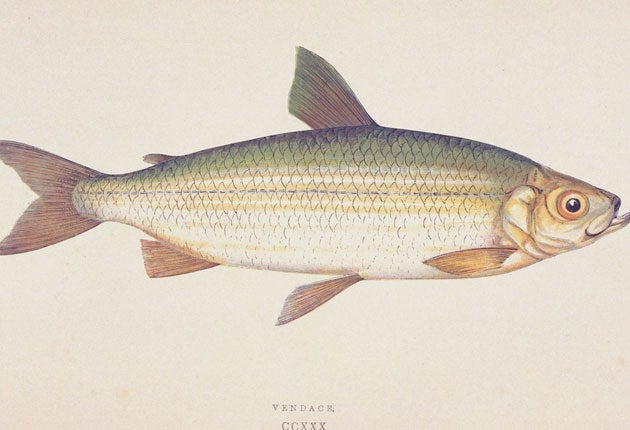
Fish from the Lake District will be moved to cooler waters in Scotland under radical plans – which will be unveiled this week – aimed at coping with climate change.
The first seven of more than 100 reports by government agencies and utility companies will set out how Britain needs to change to cope with hotter summers and wetter winters. They will highlight the risks – and potential costs – of more landslides, buckled railway lines, crumbling water pipes and rising sea levels threatening lighthouses around the coast. Officials say the studies are needed because levels of carbon emissions mean climate change over the next four decades is unavoidable.
The dangers to wildlife have triggered the most extreme solutions: the Environment Agency is poised to catch and transfer thousands of vendace and schelly, both freshwater white fish, from the lakes of Cumbria to Scottish lochs.
Scientists warn higher temperatures and lower rainfall in summer will lead to lower river flows and rising water temperatures. As a result, oxygen levels will fall. "It may be necessary to rescue fish or oxygenate the water to help them survive," the Environment Agency's report will warn. "We may also need to reintroduce species to re-colonise stretches where fish have died."
Where climate change could lead to the permanent loss of a habitat, some species will need to be relocated. Coldwater and migratory fish, including salmon and trout, are particularly vulnerable because changes in water temperature lead to higher mortality rates and changes to the timing of their migrations. A decline in eel populations over the last 30 years could also be attributed in part to climate change.
The Environment Agency is planning to plant more trees on river banks to increase shade and reduce water temperatures and to adapt flood defence, hydro-power and water pumping schemes to allow fish to pass through.
Malcolm Fergusson, the agency's head of climate change, said: "Climate change is one of the greatest challenges facing the world today. We are beginning to feel the effects in the UK. It's important we understand how this changing climate will affect our lives and the environment.
"The Environment Agency is at the forefront of the fight against climate change, through our work as greenhouse gas emissions regulator and our lead roles on managing flood risk and water resources. But we are also on the front line, helping communities and organisations to be ready to face the consequences of more extreme weather."
Other climate change adaptation reports will be released this week by National Grid, covering gas and electricity, the Environment Agency, the Trinity Lighthouse Authority, the Highways Agency, Network Rail and Natural England. The Department for Environment, Food and Rural Affairs says the reports are the first step in preparing a nationwide plan in two years' time. An economic analysis will put a price tag on the cost of adaptation in summer 2012.
"Climate change will bring more extreme weather: increased bursts of heavy rainfall and hotter, drier summers, potentially affecting the infrastructure which our economy relies on," said a Defra spokesman. "So it makes sense for those organisations which maintain infrastructure to build adaptation plans into the course of normal business."
Lord Henley, an Environment minister, is to release the reports on Friday during a visit Dawlish on the South Devon coast, where waves often crash over the Exeter to Plymouth railway line. Network Rail, which will publish an interim report, will give details of increased investment in flood defences and drainage. Extreme weather could also lead to more landslides.
Motorists struggling through wet and icy conditions this winter could take comfort from the knowledge that they are driving on the same surface that carries the rich and famous to the French Riviera every summer. The Highways Agency, which runs motorways and major trunk roads in England, has changed to a new base material for road building, called EME2, after extensive research with experts familiar with the sun-drenched routes around Cannes, Nice and Marseille. It also used materials that can withstand temperatures of up to 60C.
The Highways Agency said the changes were part of "strategic planning for climate change, where we have researched the likely effect of higher temperatures on carriageway surfaces and on the deeper layers of the road structure".
Join our commenting forum
Join thought-provoking conversations, follow other Independent readers and see their replies
Comments
Bookmark popover
Removed from bookmarks