Fears of 'Black Wednesday' for green causes on Budget day
Activists expect bad news for the environment to be buried in detail of Osborne's speech
Britain's green campaigners fear a Black Wednesday for the environment next week when Chancellor George Osborne's assault on environmental protection in the name of economic growth reaches its climax in the Budget.
The Government is about to publish two major policy reviews, of planning and nature reserve regulations, both designed to remove what Mr Osborne sees as obstacles to development, but which have both been strongly criticised by environmentalists and countryside campaigners. The reviews are virtually complete and it is increasingly likely that they will be published alongside the Budget on 21 March.
This would allow Mr Osborne to set them in the context of his strategy for growth. But perhaps just as important for the Government, it would lessen the bad publicity surrounding them, as they would be overshadowed by the main Budget headlines about taxation.
Much lobbying has been going on behind the scenes by environmentalists concerned that long-standing protection for important wildlife sites and the countryside in general is about to be seriously compromised.
"We are fighting hard to avert a Black Wednesday for the environment next week," said Martin Harper, conservation director for the Royal Society for the Protection of Birds. "If this goes the wrong way, we are going to be picking up the pieces for the next decade."
The planning proposals have been fiercely attacked for suggesting that there should always be a presumption in favour of development, and that two principles of the system should be dropped: that ordinary countryside has a value, and that brownfield sites should be built on before greenfield sites.
Foreshadowed in Mr Osborne's Budget a year ago, and put forward in the summer, the proposals have been the subject of a campaign of opposition led by the National Trust and the Campaign to Protect Rural England, which has put a major question mark over Mr Cameron's pledge that his administration would be "the greenest ever".
The Government spent three months listening to comments on the new planning framework, but it is unlikely that it will make many major concessions and the presumption in favour of development seems certain to stay, although ministers have considered the idea of keeping the commitment to build on brownfield land first.
A similar review has been taking place of the Habitats Regulations, which transpose into British legislation two very tough EU wildlife protection laws – the 1979 Birds Directive and the 1992 Habitats Directive. These make major infrastructure projects difficult if not impossible, if they damage internationally important wildlife sites.
In his Autumn Statement, Mr Osborne said the Habitats Regulations placed "ridiculous costs on British business". It was language which conservationists found offensive, and a picture they did not recognise, as they see these same regulations as responsible for saving some of Britain's most important nature sites from destruction.
But Mr Osborne believes that the regulations have been "gold-plated" in Britain – meaning that they have been interpreted more strictly than they need be – and the review, by officials of the Department for Environment, Food and Rural Affairs, has been examining this question, while the new planning proposals have been drawn up by the Department for Communities and Local Government.
However, it is clear that in the case of both policies, Mr Osborne's Treasury is very much the back-seat driver.
There are signs that the Liberal Democrats in the Coalition are trying to mitigate Mr Osborne's anti-green agenda. At the weekend Vince Cable, the Business Secretary, said: "I am going to confront the old-fashioned negative thinking which says that all government needs to do to generate growth is cut worker and environmental protections".
The proposals, and what's under threat
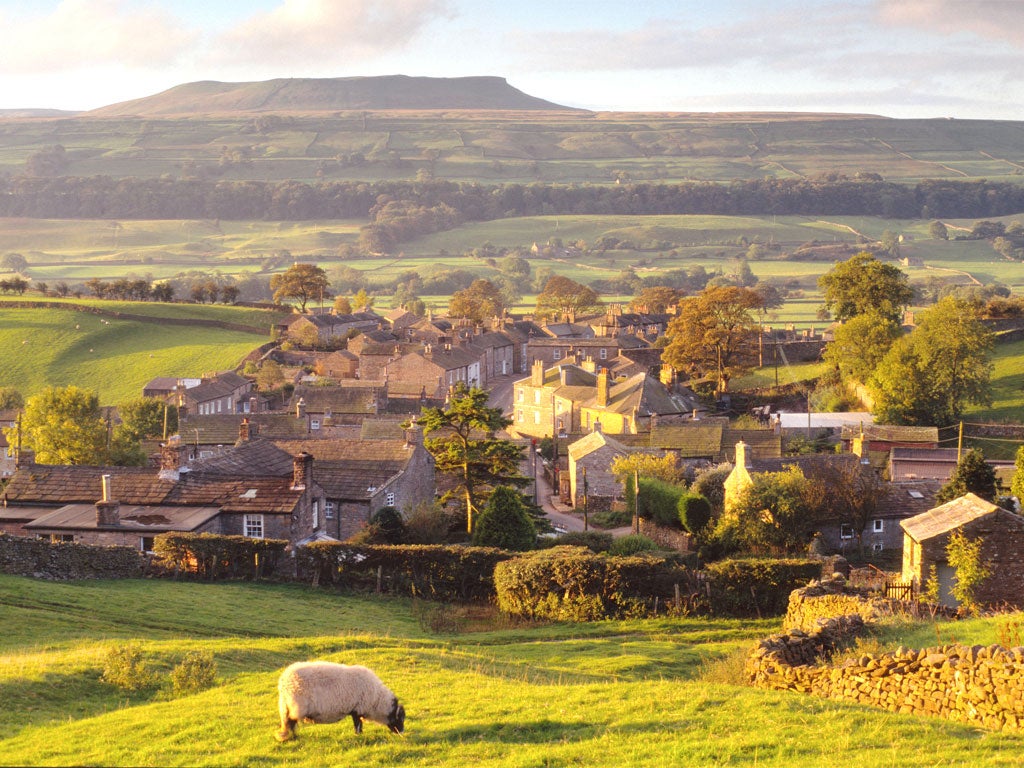
The National Planning Policy Framework is a radical revision of the planning regime which proposes to reduce more than 1,300 pages of planning guidance to a document a mere 52 pages long. At its heart are the propositions that "the default answer to development will be Yes" and that there will be "a presumption in favour of sustainable development". It is not clear what "sustainable" means. Conservationists charge that the planning system is being changed from a tool to protect the landscape, to a tool to foster economic growth. The review of the Habitats Regulations will look at whether they have been over-implemented, but the Brussels directives behind them cannot be unilaterally watered down. Talbot Heath, Dorset, was one of the areas saved by the regulations.
New aviation strategy gives Boris a boost
A third major government initiative that will affect the environment is also imminent: the publication of a new outline aviation strategy. This will involve two documents, a consultation on "A Draft Sustainable Framework for UK Aviation" and a call for evidence on how London's role as an international aviation hub can be maintained.
This second exercise will allow the Mayor of London, Boris Johnson, formally to put forward to the Government his ideas about a completely new London airport to be sited on an island in the Thames estuary. This will be strongly opposed by environ- mental campaigners. It is likely, however, that the documents will be published after the Budget.
MICHAEL McCARTHY
Join our commenting forum
Join thought-provoking conversations, follow other Independent readers and see their replies
Comments
Bookmark popover
Removed from bookmarks