Waste crisis means 80 giant furnaces set for go-ahead in 2011
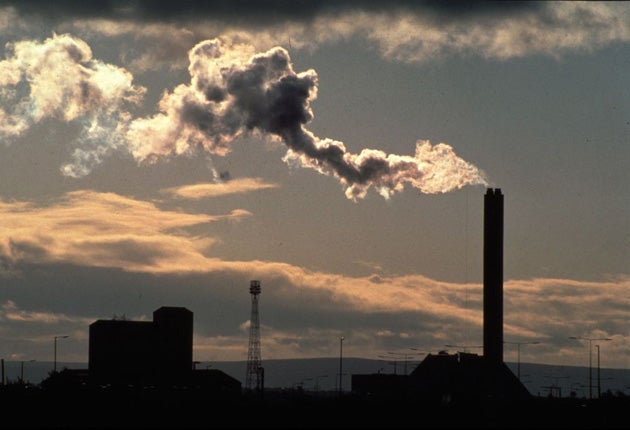
A grassroots revolt is growing over a new generation of controversial incinerators planned across the UK, which would see the amount of household waste sent to be burnt more than double. Incinerators are currently being planned on more than 80 sites under the so-called "dash for ash".
The Coalition must decide this summer whether to give its blessing to the £10bn roll-out of the new incinerator chimneys, which continue to meet fierce levels of local resistance from those who would live in their shadow. Concern over possible health risks and impact on property prices looks likely to make incineration one of the most toxic political issues of 2011.
Vehement opposition also comes from environmentalists, who claim that incinerators contribute to greenhouse gases and discourage councils from meeting more ambitious recycling goals.
According to the Environment Agency there are 21 facilities in the UK currently treating municipal waste, while a further eight have been given the go-ahead but are not yet operational. It is estimated that a further two dozen "energy from waste" schemes are still making their way through the planning process or awaiting a final decision from the Secretary of State.
And the waste industry is promising a "step change" in burning Britain's annual rubbish mountain. It believes that "many more" will still be needed in the medium term to meet the previous government's goal of turning 25 per cent of municipal waste into energy to heat homes and provide electricity over the next decade, and prevent Britain from paying millions of pounds in future EU landfill fines.
The UK Without Incineration Network has 80 active groups opposing local developments. One of its co-ordinators, Shlomo Dowen, a former teacher, opposes a new incinerator on a former mine near his home in Sherwood Forest in Nottinghamshire. The campaign is becoming a test of wills between local people and big business, he said.
"This about people power. Typically people start off from a situation of not giving much thought to what happens to their waste when it goes in the bin. They don't know and they don't want to know.
"But when an incinerator is proposed they become alarmed at the health impact and this gets them to take to the internet. Then they realise they are very expensive and that there are other viable alternatives such as anerobic digestion which is renewable.
"No one is arguing that incinerators improve people's health. The debate is about how much local people's health will be depreciated.
"The waste companies underestimate the level of resistance. They don't care as passionately as people do for their own neighbourhood. To them it's just a job. The more people scrutinise the process the more likely it is to come off the rails."
That resistance now includes the Chancellor, George Osborne, who has added his support to campaigners against a new incinerator in his Cheshire constituency. The Liberal Democrats have have opposed incineration at national and local levels. Political support for incineration looks increasingly uncertain as the amount of waste generated each year by households has been falling steadily and recycling rates increasing. Waste companies however claim there will always be a limit to how much rubbish can be recycled – at around 70 per cent of what we throw away – leaving millions of tonnes each year as a valuable untapped energy resource.
Julian Kirby, Friends of the Earth's resource use campaigner, rejects industry claims that incinerators could help remove 34 million tonnes of CO2 from the atmosphere by preventing rubbish being buried in the ground where it continues to produce harmful greenhouse gases. "Scratch the surface and you see that, because of all the oil-based materials they burn, such as plastics, they emit a third more CO2 than gas-fired power stations. Add in emissions from biogenic materials such as paper, textiles and food, and they can be more than twice as bad as coal-fired power stations," he said.
But with further capacity for 1.2 million tonnes of waste-burning already planned, the industry is not having it all its own way – despite the backing of business leaders including the CBI, which earlier this year urged councils to bury their objections to building new incinerators.
Both coalition parties are committed to the growth in the emerging anaerobic digestion industry in which biodegradable matter is recycled into renewable energy.
Meanwhile in October seven projects due to be funded under a private finance initiative were scrapped by the Coalition, in several cases on cost grounds – but not before local authorities had spent millions of pounds investigating and consulting on the matter during the lengthy planning stage.
David Sher, policy adviser for the Environmental Services Association, which represents the waste industry, acknowledged the level of opposition.
"While all large infrastructure projects are challenging to deliver, energy from waste projects are still shaking off occasionally held misconceptions that increase that challenge," he said. "These surround their impact on recycling rates and uncertainty over the health and environmental effects of emissions.
"In recent years, significant work has gone into debunking the myths surrounding energy from waste, notably by the Health Protection Agency, showing that any potential damage for well-regulated incinerators is very small or so small as to be undetectable."
Mr Sher insisted: "Energy from waste is a clean, proven and reliable technology and must form a component of sustainable waste management and energy strategies."
HOUSEHOLD WASTE BY NUMBERS
23,700,000 tonnes of household waste collected in England in 2009-10 and 1.5m tonnes in Wales.
1,036 kg of waste from typical English households in 2009-10, of which 411kg was recycled.
4,000 Number of landfill sites in the United Kingdom.
9.4 million tonnes of England's household waste is now recycled – 3.3 times the figure in 2001.
70 per cent of what we throw away can be recycled.
25 per cent: the Government target for the amount of municipal waste it wants burnt and converted into household energy over the next 10 years.
21 incineration facilities in the United Kingdom treating municipal waste, with a further eight soon coming into operation.
24 "energy from waste" schemes are in the planning stages or awaiting imminent Government approval.
£48 per tonne – current rate of landfill tax. It is due to rise every April for the next three years.
Join our commenting forum
Join thought-provoking conversations, follow other Independent readers and see their replies
Comments
Bookmark popover
Removed from bookmarks