Ban on fishing for bluefin is rejected
Japan and Canada lead campaign against plan to protect endangered tuna
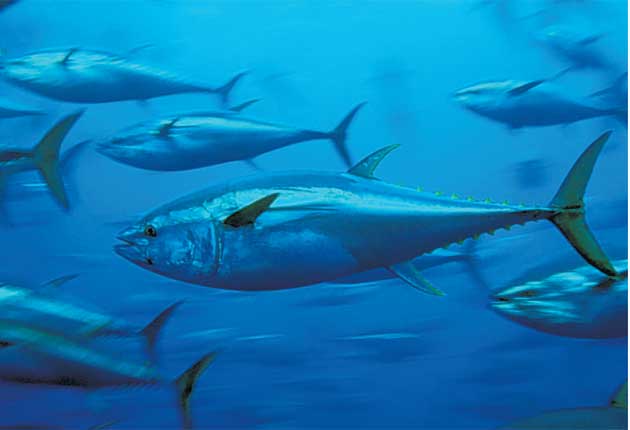
The trade in Atlantic bluefin tuna will continue unchecked after the rejection yesterday of a proposed fishing ban that had been described by conservationists as the only way to save the critically endangered species from extinction.
Japan and Canada along with scores of developing nations succeeded yesterday in preventing any restrictions being imposed on the harvest of the fish, which is highly prized in sushi restaurants, on the grounds that a ban would devastate the world's fishing economies. Delegates at the Convention on International Trade in Endangered Species (Cites) in Doha voted by a margin of 68 to 20 against a proposal to immediately outlaw the sale of bluefin. A weaker measure supported by the EU, which would have introduced a ban in 2011, was also rejected by 72 votes to 43.
The decision puts one of the world's most majestic fish in imminent danger of extinction. Stocks of bluefin, the largest and fastest of all tuna species, have declined to roughly 15 per cent of historic levels. Migrating shoals of the fish, which grow to up to three metres in length and have been likened to underwater Ferraris, are plundered each year as they pass through the Straits of Gibraltar to spawn in the Mediterranean.
Their fatty flesh is much in demand in Japan, where good specimens can fetch tens of thousands of dollars. A 500lb bluefin was auctioned for £111,000 on the Tokyo fish market two months ago, making it the most valuable fish ever sold. The prices being paid for bluefin have added to the difficulties in controlling the trade. France, Spain, Italy, Greece, Malta and Cyprus have for years blocked EU proposals to outlaw fishing in their territorial waters, while the Japanese have pledged to ignore any Cites ban that is imposed.
Yesterday's proposed measure was thrown out when Libya, where many non-EU bluefin vessels are based, used an arcane procedural measure to limit the debate to just 90 minutes. Under Cites rules, delegates were then forced to vote on new trade restrictions immediately.
"It is scandalous that governments did not even get the chance to engage in meaningful debate about the international trade ban proposal," said Dr Sergi Tudela, a WWF fisheries scientist who was at the talks. "It is now more important than ever for people to do what the politicians failed to do – stop consuming bluefin tuna."
The fish's delicate flesh has been prized since antiquity, and the Romans sent fleets of fishing boats into the Mediterranean in search of spawning shoals. But technology has decimated bluefin populations, with aircraft and sonar devices now enabling trawlers to pinpoint individual fish.
After they are caught bluefin are often kept in saltwater cages, where they are continually fed to give their flesh the fatty texture prized by sushi chefs. Attempts to breed the migratory species in captivity have failed.
Yesterday's vote highlights the difficulty in getting the 175 members of Cites, which is supposed to protect endangered species, to agree any meaningful measures to prevent exploitation of animals that are considered economically valuable.
Join our commenting forum
Join thought-provoking conversations, follow other Independent readers and see their replies
Comments
Bookmark popover
Removed from bookmarks