Crocodiles back in trophy hunters' sights
'Dundee' actor and Irwin family take opposing sides, as once-endangered species prospers
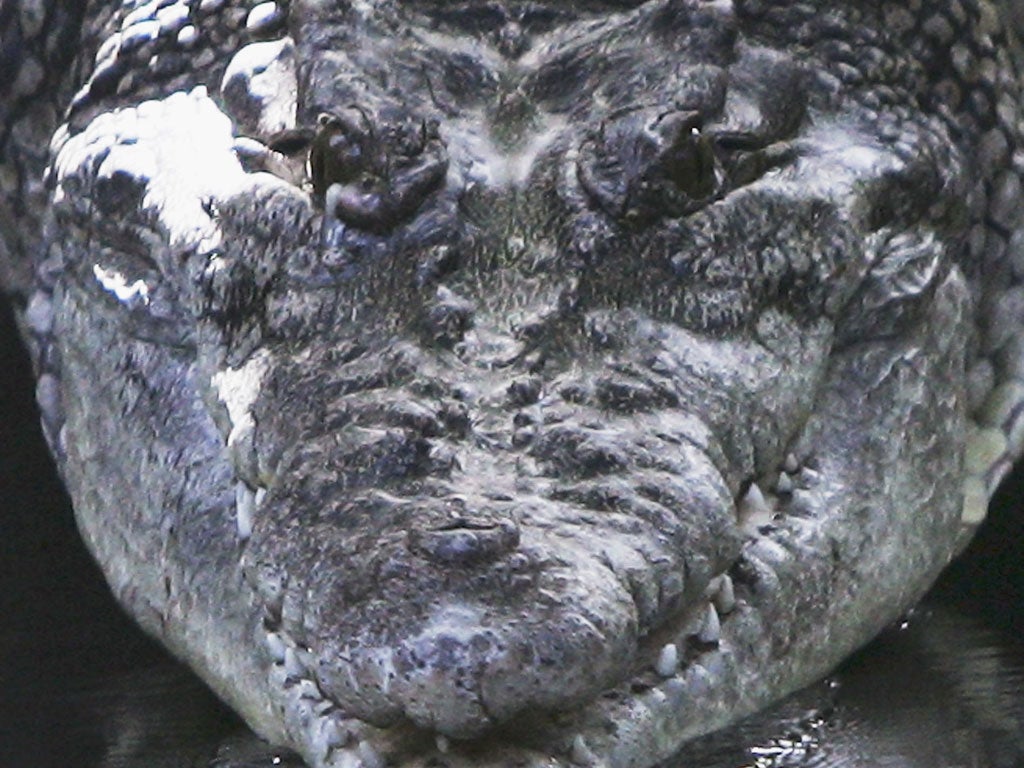
Australia's feared saltwater crocodiles were almost wiped out by hunting before becoming a protected species in 1971. Since then, the population has ballooned. In the northern city of Darwin, the man-eating crocs have snatched dogs off beaches and have even turned up in backyard swimming pools. Hundreds are fished out of Darwin harbour every year.
With the giant reptiles so abundant – up to 150,000 of them are believed to be roaming the tropical Top End – the federal government is considering a proposal to introduce crocodile safaris. Those in favour, who include Aboriginal landowners, say it would boost tourism and create much-needed jobs in the remote indigenous communities of northern Australia.
However, animal welfare advocates and conservationists – including Bob Irwin, father of the late "Crocodile Hunter" Steve Irwin – are strongly opposed. Steve, who was famous for his croc-handling skills, would be "horrified" by the idea of trophy-hunting the creatures, according to Bob.
Under the proposal, 50 of the largest crocodiles would be killed by big-game hunters, mostly from overseas, who would pay up to A$20,000 (£13,000) for the privilege. Taxidermy – of the head, or whole beast – would cost extra. Much of the money would flow to Aboriginal people, who own more than 70 per cent of the land and waterways inhabited by crocs in the Northern Territory.
While white entrepreneurs have grown rich by farming crocodiles, "we've only been getting a small slice of the pie", says Jida Gulpilil, director of an Aboriginal corporation in the Arnhem Land region. Mr Gulpilil – whose father, David, a well-known actor, starred in Crocodile Dundee – adds: "This is a great way for us to create jobs in an area where employment opportunities are minimal."
Saltwater or estuarine crocodiles can grow to up to 20 feet (6.1 metres), weigh more than a ton and, despite their name, are found in rivers and creeks hundreds of miles from the sea. The world's largest and most aggressive crocodile species, they have barely changed over 65 million years of evolution and kill an average of two people a year.
The government rejected a croc-hunting proposal a few years ago, but has agreed to consider a two-year trial in the light of soaring numbers. The 50 trophy animals would come out of a quota of 500 culled every year, under a management programme aimed at thinning the population and removing "problem animals". "All we want to do is change the person who pulls the trigger," says Mr Gulpilil.
RSPCA Australia, however, fears that the crocodiles might not be destroyed humanely. And Mr Irwin, whose son was killed by a stingray's barb in 2006, warns that safaris could increase the danger to humans. "They're proposing to take out 50 really big adult alpha males, but these are the ones that control the river system and keep the younger crocs in check," he says. "If you remove them, those younger crocs, which are still quite large, will start fighting among themselves, like angry teenagers. They'll be testing their predatory skills, and I'm concerned about what may happen."
Mick Pitman, a veteran crocodile hunter who stuffs his prey and turns their skins into wallets, wristbands and mobile-phone holders, dismisses those concerns.
He says the big game hunters are "professionals who know how to use guns". Graham Webb, who runs a crocodile farm outside Darwin, agrees. Those criticising the safaris "live in the city and do their hunting and gathering in supermarkets", he claims.
Mr Gulpilil says: "It wouldn't be like the African safaris. This is Australia, and our people are hunters and gatherers. We've got a high respect for the crocodile, culturally and spiritually. It's one of our totems, and it's connected to our land, our Dreaming [creation story], our beliefs and customs, our ceremonies and songs."
Currently, Aboriginal landowners are permitted to kill crocodiles on their land, under the management programme, and to sell their skins and eggs. The Environment Minister, Tony Burke, will rule on whether or not the hunting trial can go ahead when a consultation process ends later this month.
Mr Irwin is unconvinced by the job-creation argument. "How many people does it take to kill a crocodile?" he asks. "Two, at the most. Why not encourage tourists to go out on safari with a camera rather than a gun? There's a lot more financial benefit to be had from live crocodiles."
Join our commenting forum
Join thought-provoking conversations, follow other Independent readers and see their replies
Comments
Bookmark popover
Removed from bookmarks