Nature's race against time as climate changes
Study shows how far animals must move to stay in temperature 'comfort zone'
Global temperatures are set to rise faster than the speed at which most animals and plants can move to cooler areas, according to a study estimating the velocity of climate change.
The scientists calculated that wildlife will have to migrate by a quarter of a mile each year on average if they are to keep within their temperature "comfort zone". But for some ecosystems, such as flooded grasslands and mangroves, some species will have to migrate more than twice as fast if they are to survive.
The study is based on the "intermediate" prediction for rises in global temperature over the coming century set by the Intergovernmental Panel on Climate Change, even though the world is presently on a course for the "worst-case" scenario because of higher emissions of greenhouse gases.
Even so, the researchers estimated that nearly a third of the ecological habitats they studied will experience a rate of temperature rise that will be faster than the highest possible migration rates of the plants that live in these areas.
They also found that less than 10 per cent of the nature reserves in the world today will continue, in a hundred years from now, to maintain the range of climate conditions within their boundaries that would permit the continued survival of the animals and plants living there.
The study, published in the journal Nature, found that the expected increase in temperatures in most areas of the world will rise at a faster rate than the ability of wildlife to adapt, leading to mass extinction of species.
"One of the most powerful aspects of this data is that it allows us to evaluate how our current network of protected areas will perform as we attempt to conserve biodiversity in the face of global climate change," said Healy Hamilton of the California Academy of Sciences, an author of the study.
"When we look at residence time for protected areas, which we define as the amount of time it will take current climate conditions to move across and out of a given protected area, only 8 per cent of our current protected areas have a residence time of more than 100 years," Dr Hamilton said.
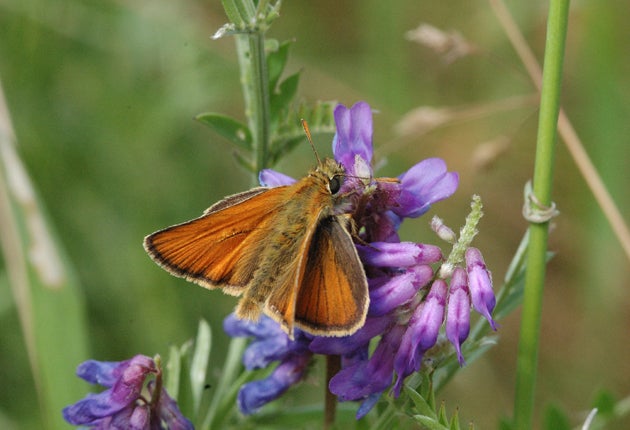
In general terms, wildlife in the northern hemisphere will have to move north while those in the southern hemisphere will need to move south to keep up with climate change. The scientists said that the knowledge of how fast species need to migrate will be useful in formulating strategies for helping vulnerable species to survive. British scientists have shown that it is possible to move some species of butterfly to similar but historically-cooler habitats further north. One "assisted colonisation" experiment in 1999 and 2000 involved moving the marbled white and small skipper butterflies from North Yorkshire to disused quarries in Co Durham and Northumberland.
The researchers, from Durham University and the Centre of Ecology and Hydrology, found that the butterflies thrived. However, the butterflies would not have been able to make the journey on their own because of the inhospitable terrain they had to cross.
Join our commenting forum
Join thought-provoking conversations, follow other Independent readers and see their replies
Comments
Bookmark popover
Removed from bookmarks