Britain's losing its bottle: health fears drive consumers away from wine
Market shrinks for the first time in more than a decade as concern over binge drinking and tax rises hit sales
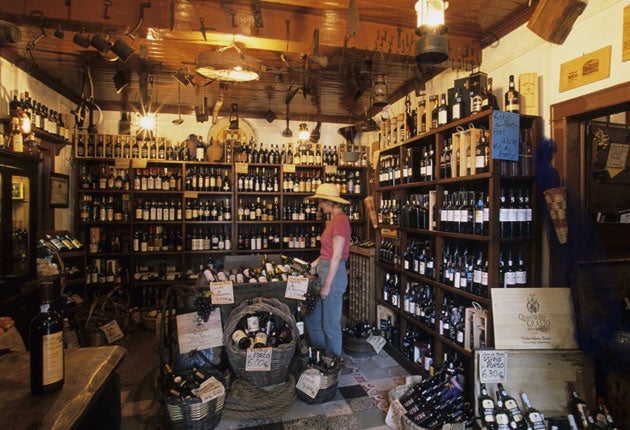
After years of piling more chardonnay, sauvignon blanc and merlot bottles into shopping baskets, British consumers have suddenly lost their previously unshakeable thirst for wine.
Wine sales in the UK fell for the first time in more than a decade last year, according to new research, which suggests Britain's £9.6bn a year industry is entering a prolonged slump that is predicted to last five years.
Reduced discretionary spending in the recession, increased tax and health concerns were all behind the fall, according to Mintel. Wine merchants blamed tax rises for making it harder to sell bottles at the £3.99 mark, and warned that unless margins improved, the quality of wine on sale would decline in the future as producers switched supplies to more lucrative foreign markets. Masters of Wine claim there is evidence that wine is losing sales to trendier cider and craft beers.
By volume, Britons bought 1.16 billion litres last year compared with 1.18 billion litres in 2007, a fall of 2 per cent, or 17 million fewer bottles, according to Mintel. By value, sales fell by 1 per cent to £9.6bn. Both red and white wines fell, but more people drank rose, which has become a popular summertime drink. The fall was the first drop in wine volumes since 1995.
"The effects of concern over binge drinking, a trend towards healthy lifestyles and heavy Government taxation have all had an impact on the market," Mintel said in a report. "In 2008 alone, duty on wine increased by 17 per cent, meaning the British are now among the most heavily-taxed wine drinkers in Europe."
Mintel predicts wine consumption will fall further each year until 2011 and only regain 2007 levels in 2014. The turn around is dramatic for an industry which has relied on an ever increasing thirst for its products. Until last year, wine sales had been rising at about 5 per cent a year, while those of beer slumped, due to an ageing population and greater Continental travel.
Jeremy Beadles, chief executive of the Wine and Spirit Trade Association, said people were either buying one bottle a week rather than two, or stopping buying altogether.
"We're certainly concerned about it because it's not just a decline; it's moving from quite strong growth into decline in a very short period of time; a 9-month period, which demonstrates more than just a downturn. It demonstrates consumers are drawing in spending," he said.
"Certainly the statistics show the biggest area of decline is the £3 to £4 category. People at the bottom end of wine purchasing are struggling to buy wine at all, and that's a knock-on effect of the 20 per cent rise in tax.
"People are saying we can't afford to put a £4 bottle of wine in the basket."
Sales picked up during the recent sunny spell, but the industry was struggling and was likely to experience flat or falling sale "for at least another year," Mr Beadles said.
Taxation on wine has risen 21 per cent in a year, with another increase on duty at the Budget. Some £2.21 of a £3.99 bottle is duty and VAT.
In the long run, Mr Beadles warned that squeezed margins would encourage producers to concentrate on emerging markets in China, India, Russia and eastern Europe, which would lower the quality of wine here. "If you are a New Zealand wine producer and there's a strong demand from China or Hong Kong or Japan and you are going to make double the money than you would in the UK, then you will sell there. That will lead here to a smaller range of wine and over time gradually you will get less good quality products," Mr Beadles warned.
"You can't carry on putting duty up and maintain process. Either prices have to go up or you lose quality."
Sarah-Jane Evans, one of only 274 Masters of Wine in the world, said the industry had started to fear that after years of growth, Britain had become a mature market.
Part of the problem was that British wine drinkers were so price conscious. "We are in this depressing zone of three bottles for £10," she said. "Producers just can't make decent wine at those prices," Ms Evans said.
She recommended people spend at least £8.99. "I would rather encourage people to drink a little less and to drink better, and get a bit more excitement."
"If you want to recognise the diversity of wine in the world, then £8.99 will begin to get you that on a Saturday evening, though during the rest of the week you will probably want to pay less," she added.
However in Mintel's report, UK Wine 2009, it found young buyers were increasingly unwilling to experiment with wine. A fifth of 25-34s it surveyed found the choice confusing – the highest for all age groups.
"In contrast to the majority of alcoholic drinks, people gravitate towards wine as they become older," said Jonny Forsyth, Mintel's senior drinks analyst.
"This means that usage starts to take-off amongst the over 35s, with people continuing into their retirement.
"[Yet] drinkers aged 25-34 are the most likely of all age groups to be influenced by what wines they have drunk before when purchasing wine, suggesting they do not have the knowledge or confidence to experiment further. Once people join the wine 'club' they tend to stay in it for life. The problem for industry is getting people to join earlier."
Join our commenting forum
Join thought-provoking conversations, follow other Independent readers and see their replies
Comments
Bookmark popover
Removed from bookmarks