I'll have my lobster electrocuted, please
Painless method of killing crustaceans developed
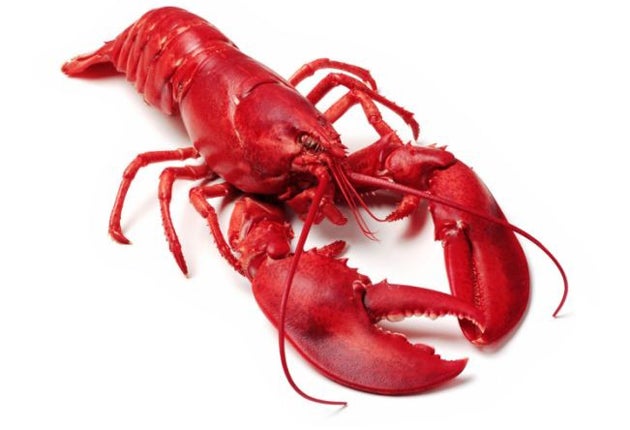
The heart-rending sound that a lobster makes as it is boiled alive puts off many a home chef from preparing the dish for a dinner party.
But now anyone can serve up a buttered lobster freshly cooked in their own kitchen, safe in the knowledge that it has been humanely killed, thanks to a British entrepreneur.
Simon Buckhaven has created a machine that takes less than a second to efficiently and painlessly zap a lobster, crab or other crustacea to death. The price – at £2,500 – may deter some but many an animal lover or restaurant chef will think it a small price to pay for a cruelty-free death. Plus, according to the manufacturer, the CrustaStun also makes the meat taste better.
Inside one of the little machines that are going on sale this week, a lobster takes just 0.3 seconds to die, whereas it can live for three minutes in boiling water. A crab takes even longer to die as it is boiled to death – up to four and a half minutes.
After several trials here and in the US, Mr Buckhaven's firm, Studham Technologies, in Bedfordshire, has developed a machine that takes five seconds to use, and meets health and safety and other regulations on both sides of the Atlantic.
The entrepreneur is firmly in the "yes" camp in the old argument about whether lobsters feel pain. One side is that their nervous systems are not complex enough to experience what humans would recognise as pain, implying that, for a lobster, being placed in boiling water would be like being sent gently to sleep in a warm whirlpool bath.
This conclusion was buttressed by research published in Norway in 2005, but in November 2007, Professor Robert Elwood, of Queen's University, Belfast, published the results of an experiment which involved daubing acid on the antennae of prawns. The animals immediately reacted by touching the affected areas, a reaction consistent with experiencing pain, although other specialists in the same field argued that the prawns may simply have been cleaning their antennae, without suffering distress.
Mr Buckhaven is in no doubt that research like Professor Elwood's is conclusive, and means that the practice of subjecting crustaceans to a slow death will have to end.
"These are sentient animals, who feel pain and distress, and you should not boil them alive, or drown them in fresh water, or cut them in half while they're alive," he said. "A lot of people who love to eat lobster do not like preparing it at home because they have to cook it in boiling water. And restaurants are more frequently hearing questions from customers about how their lobster will be killed."
He added that in one blind test, customers were given lobsters killed in boiling water and lobster that had died in a CrustaStun, and every participant said that they preferred the meat from the electrocuted animals. "It was sweeter meat and better consistency," he said. "If you eat an animal which had been under stress before it died, it affects the meat quality."
However, a planned demonstration of the CrustaStun turned into an unmitigated disaster – not least for 1,800 lobsters.
It was a charity event for 600 guests in Tucson, Arizona, whose organisers had consulted the animal welfare group Peta, to see if there would be any objection to having lobster on the menu. Peta said it would be acceptable, if the lobsters were killed in the CrustaStun machines rather than being boiled or drowned in fresh water. Peta bought two of the machines and paid for Mr Buckhaven to travel out to demonstrate them. The machines were shipped out separately. Sadly, the delivery company let them down, 1,800 lobsters died horribly, and the machines turned up in Tucson two days late. "We were completely let down, and are suing to get the money back," Mr Buckhaven said.
Despite that catastrophe, he is convinced that there will be a growing demand for his machines. His company is now offering two types of lobster zappers. The larger industrial models, which cost over £60,000 each, are already in use in the UK, Ireland, Norway and Portugal. Some supermarkets are now stocking lobster only if it has been killed by electrocution.
Join our commenting forum
Join thought-provoking conversations, follow other Independent readers and see their replies
Comments