Doctors sued for creating 'Valium addicts'
Patients take legal action after being damaged by over-prescription of drugs
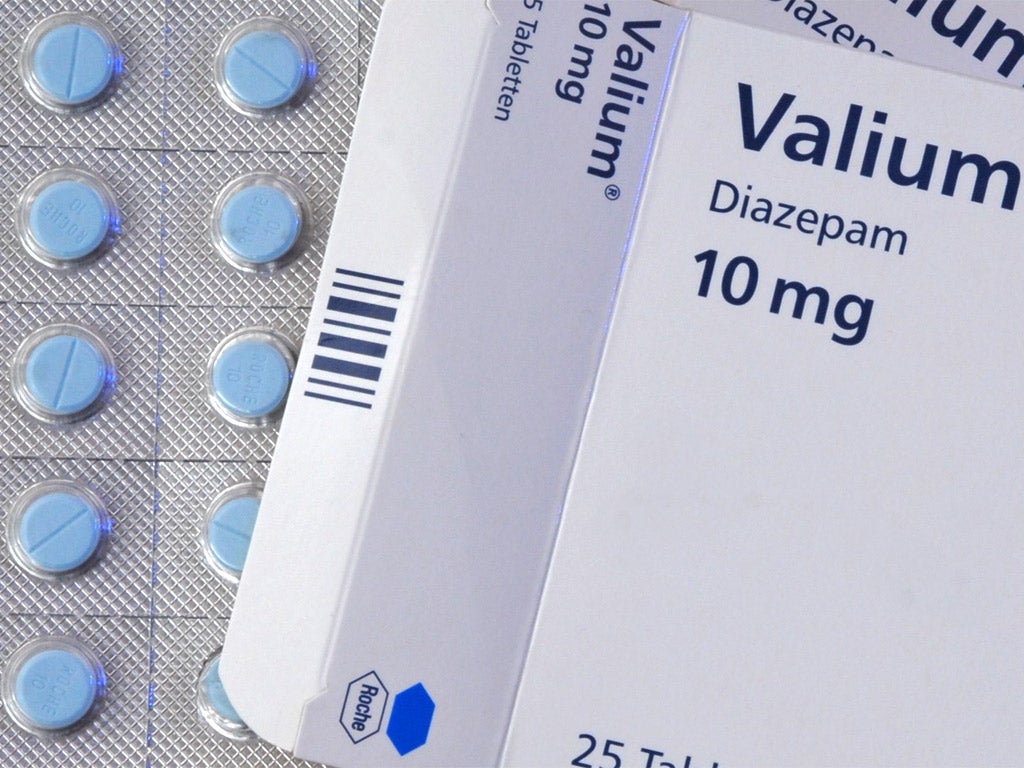
Doctors are being sued for creating prescription drug addicts amid claims they have failed to follow safety guidelines published more than 20 years ago.
Lawyers and medical experts have reported an increase in clinical negligence cases by patients left physically and psychologically broken by "indefensible" long-term prescribing of addictive tranquillisers such as Valium, collectively known as benzodiazepines.
Patients taken off the drugs too quickly, leaving them disabled with pain for months if not years, are also seeking legal redress. Many say they were never told about the dangers of rapid detoxification, which can lead to seizures and even death in severe cases. Doctors have been accused of being "in denial" about the problem.
Experts have warned of a coming flood of legal action against doctors who failed to inform their patients about the addictive nature of some tranquillisers, currently given to millions of people worldwide. They are prescribed to deal with common social and psychological complaints, from exam stress to relationship problems and bereavement.
Professor Malcolm Lader, whose research in the 1980s suggested a link between long-term tranquilliser use and brain damage, said he now gives legal advice about negligent prescribing and dangerous detoxifications "at least every three months".
He told The Independent: "There is no sign that such prescribing is diminishing. The Royal College of GPs is in denial about this because they fear being sued. With around a million long-term users, the [legal] defence unions will at some point decide that these cases are indefensible and GPs will have to pay their own costs." A report by the All Party Parliamentary Group on Drug Misuse estimated in 2009 that there were 1.5 million involuntary tranquilliser addicts in the UK. More than 6.6 million benzodiazepine prescriptions for anxiety were dispensed by England's pharmacies in 2010, a 15 per cent increase in 10 years. Prescriptions for Valium have increased by 20 per cent over the same period.
The first successful legal claim against individual doctors dates back to 2002, when Ray Nimmo, who was prescribed Valium for 14 years, won his case against GPs in Scunthorpe. His lawyer, Caroline Moore, has had five new referrals in the past month.
Some people develop a tolerance after regular use for two weeks, needing a higher dose to induce the same effects; others report using them for years with few adverse effects. For most, stopping is the problem: they can experience a range of painful psychological and physical symptoms, worse than their original complaint.
Dr Adrian Rogers, a GP who is also an expert in medico-legal cases, said: "I can't believe there aren't more claims. The fact that lots of doctors are prescribing long-term isn't an excuse – no responsible GP would do it."
There are only a handful of specialist tranquilliser withdrawal services across the UK. Most people rely on inexpert help from GPs or addiction services aimed at illegal-drug addicts. Recovery Road, a new helpline, receives around 250 calls a month, mainly from those who have detoxified too rapidly. "These poor people describe being in a kind of torture chamber," said Baylissa Frederick, of the organisation.
The Bridge Project in Bradford tracks down long-term benzodiazepine users. In five months this year, one of its specialist drugs workers helped 102 patients.
Dr Chris Ford, a GP and benzodiazepine expert, is drafting new guidance to help doctors avoid creating addicts and advise them on the best way safely to detoxify those who are already dependent. Controversially, it will endorse long-term use for a limited number of patients. "These are good drugs – they work, but it is a slippery slope if doctors do not have systems in place to make sure they are only used in the short term," she said.
"These people should not be treated like illicit drug users. Any detox has to be done very slowly. These drugs can cause serious long-term problems, so GPs should encourage people to come off them, but, for some, it is necessary to compromise. No one should be forced to withdraw," she added.
A Department of Health spokeswoman said: "The Government's drug strategy set out [in the White Paper Healthy Lives, Healthy People] an ambition to tackle dependence on all drugs, including prescription and over-the-counter medicines. It is clear that this is a problem that affects some people in most areas and is much unreported. Public health bodies will be responsible for the commissioning of services to support people recovering from dependence."
Case studies: Lives blighted by addiction
'It was like the doctors were my drug dealers'
Rachel, 62, from the Midlands. Rachel (not her real name) is trying to sue an NHS clinic that detoxed her from tranquillisers so rapidly she has been left bedridden
"Around nine years ago my GP prescribed me Valium. I didn't know it was addictive; my doctor kept giving me repeat prescriptions over the phone. I didn't have any problems until five years ago when I started to get numbness in my face and irregular heartbeats.
"I was offered a detox in an NHS rehab unit... I was in for five weeks, and they cut me down 1mg every other day, which they insisted was very slow. It was absolute hell.
"I didn't want to go back on the drug but I had no choice. Most days I can't stand up... my memory has gone. Listening to those detox people is the biggest mistake I ever made. The doctor won't accept the pain is caused by the withdrawal."
'Listening to those NHS detox people is the biggest mistake I ever made'
Janet Marshall, 53, from Wakefield, West Yorkshire, won £25,000 in an out-of-court settlement from her GP after "losing" 28 years to prescribed benzodiazepines
"I was 26, I'd just had my fourth baby, and I had a panic attack. I called the GP because I thought I was dying, and was prescribed oxazepam, even though I was breast-feeding. I became hooked, taking 15 10mg tablets a day at one point.
My fifth child was born an addict; he suffered withdrawal symptoms, but by this time I couldn't cope without them. Sometimes my pharmacist would give me some to tide me over the weekend if I'd run out. Five years ago, I changed GP, and she said I had a problem and started cutting me down, but far too quickly. It was like the doctors were my drug dealers. I couldn't talk properly or stop shaking. It lasted for months, but I felt so much more alert and got my senses back.
"I feel angry and bitter at the Government, the pharmaceutical companies, the GPs – they all knew about it. I was a healthy normal person before the benzos; I was a good mother but I was robbed of that. I feel so guilty about my kids."
Join our commenting forum
Join thought-provoking conversations, follow other Independent readers and see their replies
Comments