Seeds withdrawn in salmonella scare
Unacceptable risk of food-borne diseases from ready-to-eat seed packs
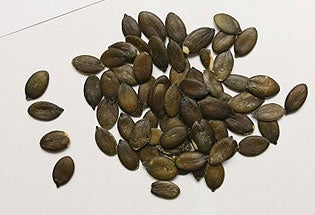
Tesco, Waitrose and well-known health food shops have withdrawn tens of thousands of packets of edible seeds in one of the biggest product recalls for a decade after a survey found "unacceptable" levels of salmonella and E. coli.
One in 50 packs of ready-to-eat seeds such as sesame and sunflower was found to be contaminated with dangerous levels of the food-borne diseases, which can cause serious illness in fit people and death in the vulnerable.
The study's authors pointed out that although there was no direct link to the contaminated seeds, 137 people in England and Wales fell ill from six sub-types of salmonella found in the seeds during the six-month study. Many more ill people are likely to have not reported their symptoms to GPs. The Health Protection Agency and the local authority group Lacors, which conducted the study, warned food manufacturers and retailers to improve hygiene during harvesting and drying of seeds.
The study was carried out because seeds – a popular snack among health-conscious shoppers wishing to avoid high-calorie chocolate and sweets – have become associated with at least seven outbreaks of salmonella in countries such as Germany, Norway, Sweden and Australia since 2000.
To gauge levels of contamination here, environmental health officers from 317 local authorities collected 3,735 packets of ready-to-eat seeds from 3,390 supermarkets, health food shops, convenience stores and market stalls between October 2007 and March 2008. They were analysed in 32 food laboratories.
Twenty-three samples – 0.6 per cent – were contaminated with salmonella and E. coli was detected at unsatisfactory levels in 55 samples, or 1.5 per cent, putting the proportion of dangerous food-borne disease at 2.1 per cent of the total.
Melon seeds had the highest proportion of salmonella – 8.5 per cent – but the bug was also found in sesame, linseed, sunflower, alfalfa and mixed seeds. E. coli was found in melon, pumpkin, sesame, hemp, poppy, linseed, sunflower and mixed seeds.
"Our study found that the vast majority of ready-to-eat seeds we tested were safe to eat. However, a small number were contaminated with salmonella or high levels of E. coli, which is concerning," said Jim McLauchlin, the HPA's director of microbiology.
"This is clearly unacceptable and in each case the retailer publicly recalled the contaminated batches and food alerts were issued by the Food Standards Agency advising consumers not to eat the affected products," he said.
As a result of the study, 10 retailers and wholesalers withdrew packets of seeds at the end of 2007 and the beginning of 2008. Tesco and Waitrose each issued two recalls for salmonella contamination; for seed mixes in the case of Tesco; and alfalfa and mixed seeds in the case of Waitrose.
Holland & Barrett, Julian Graves, The Health Store, TRS Wholesale and Imperial Snack Foods also recalled the seeds.
Salmonella was detected in seeds produced in Argentina, Burkina Faso, Guatemala, India, Nigeria, the US and west Africa. Unsatisfactory levels of E. coli were detected in seeds produced in Argentina, Austria, China, France, India, the Netherlands, the UK, the US and west Africa.
The seeds may have become contaminated as they were left outside to dry in the sun in developing countries or because of poor hand-washing (the HPA says E. coli is traditionally regarded as an indicator of faecal contamination) or other factors.
Join our commenting forum
Join thought-provoking conversations, follow other Independent readers and see their replies
Comments