What effect will organic food have on your wallet?
It may be better for your health and the planet, but what does it cost you, asks Helen Monks
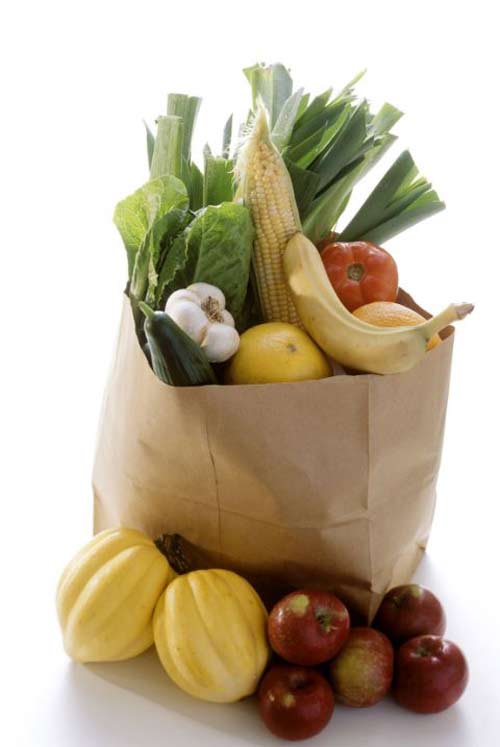
Shoppers who have experienced reaching the till with what they thought was a modest basket of organic groceries, only to be faced with an eye-watering total, might have been heartened by Delia Smith's recent comments targeted at organic sticklers. She hit out at celebrity chefs who push the organic cause and added that she tends to plump for whatever products look best, regardless of the organic credentials.
But those who feel Delia's organic fatigue will be bucking the trend, as the British appetite for all things organic is rapacious. The supermarket chain Waitrose has been selling organic food for near 25 years and says sales are rising by 11 per cent year on year, backing up Datamonitor's 2006 report indicating strong organic sales into the future.
The reasons UK consumers go for organic food are many, but it is not likely to be because of the cost, as even a basic seven-item list of typical groceries bought in Sainsbury's this week might cost organic shoppers £5 more than their non-organic counterparts.
The Soil Association, which certifies as organic 70 per cent of organic produce sold in the UK, says that many people buy organic food because they believe that it tastes better or because they have concerns over food additives linked to asthma and heart disease which are banned under organic standards.
The association also says that organic farming is friendlier to the environment as organic farmers can only use – and only as a last resort – a limited range of pesticides, meaning there is a much greater diversity of birds, butterflies and plants on organic farms.
Organic standards also ban the use of GM technology and demand that animals bred for meat are kept in more natural, free-range conditions and on a more natural diet.
All of the above is highly commendable, but there is no escaping the potential extra costs of going organic and also that the scientific case for the nutritional bonuses provided by organic food is not yet as solid as it might be.
So, is organic food worth paying extra for, and, if so, how then can consumers keep the costs of buying organic down?
Is the extra expense justified?
The answer to this would seem to be 'yes': organic food is typically more expensive to produce and that it is only right this should be reflected in the premium organic shoppers often expect to pay.
"Organic chicken-production, for example, involves considerable investment by the farmer as the feed, space and housing costs are more than non-organic chicken, which is reflected in the price," says a Waitrose spokesperson.
This means a Waitrose whole organic chicken might cost around £6.19 per kilo, while a non-organic Waitrose chicken might cost just £2.79 per kilo.
For organic vegetables there are significant extra production costs because yield per acre is less than conventional farming.
Similarly, a cow living the organic life will generally produce about 25 per cent less milk than a conventional cow and also requires more land, meaning that a two-pinter of the supermarket's organic milk costs £1.03. Its non-organic equivalent is just 76p.
Do health benefits justify the organic premium?
The scientific evidence on this area is conflicting, with each side of the organic debate calling upon different research to back up their respective arguments.
The Soil Association says that there is a rapidly growing body of evidence showing significant differences between the nutritional composition of organic and non-organic food.
Some studies of organic food have shown that, on average, it has higher levels of iron, calcium, magnesium, phosphorus, chromium, vitamin C and a higher dry-matter content.
The Food Standards Agency (www.food.gov.uk) is the independent Government department charged with protecting the public's health and consumer interests in relation to food.
In its advice to consumers, while it concedes that some scientific papers have reached the conclusion organic food is better for you, others find no difference, meaning its view remains that the weight of current scientific evidence does not support claims that organic food is more nutritious or safer than conventionally-produced food.
This is not to say the agency will not change its stance in the future and, indeed, the FSA is currently carrying out a review of all available scientific literature relating to the nutrient content of organic food.
Arguably, those consumers prepared to pay extra for organics on the basis of the potential nutritional benefits are taking something of a leap of faith.
But for those whose instincts tell them that it might be preferable to consume food produced without the normal reliance on chemicals, antibiotics and intensive farming methods, there are still ways to keep the organic price premium to a minimum.
Keeping organic food costs down
The easiest way to keep your organic food bill down is to shop locally and to try to stick to what is in season as far as you can.
Among the most expensive organic products are those that shoppers buy out of their natural season in the UK and which need flying in from exotic locations.
The environmental merits of shopping organic when your food clocks up many a food mile in this way are questionable and there has been a recent debate over how far the organic tag should be applied to products imported from by air.
After a recent consultation, the Soil Association concluded its standards should work to ensure organic produce will only be air-freighted if it also delivers real benefits for farmers in developing countries.
So consumers should check the country of origin before purchasing organic goods. If your favourite vegetable has made its way from the other side of the world to your fork, you may want to think again about buying it, and help save both pounds and the planet.
Box clever
Sticking to seasonal foods grown locally will help keep organic-food costs down. One way of achieving this is to subscribe to an organic-vegetable box scheme, where a box or bag – containing freshly picked, locally grown, organic produce – is delivered weekly to your door, or to a local drop-off point. Box-scheme operators usually offer small, medium and family-size boxes. Prices range from £5 to £15.
The provider decides what vegetables you get, and this will vary depending on the season.
River Nene ( www.river nene.co.uk), for example, recently offered its customers a medium box for £12.75, containing the following: aubergine, British carrots, courgette, British green cabbage, onions, British purple sprouting broccoli, British swede, tomatoes, British leeks, British potatoes and British Jerusalem artichokes. A summer box might contain plenty of salad and leafy vegetables such as courgettes, beans, tomatoes, and broccoli.
When shopping around for a box, check it's registered with one of the Defra bodies, such as the Soil Association. Also, if you are not buying directly from a farm, ask the distributor about the origins of their produce.
To find your nearest scheme you could ask your council whether it has a directory of local producers or visit a local farmers' market and ask traders there. Go to www.farmers markets.net to check out markets in your area.
A small word of caution: while many schemes supply their customers throughout the year, there can be problems during the spring months, known as the "hungry gap", because it can be difficult to grow sufficient quantity and variety. To maintain consistency, year-round schemes usually have to top up local produce with other nationally sourced and imported items.
Rival costs at the checkout
How much going organic adds to your weekly shop depends on what products you go for and at what time of year.
"In fact, there can be very little difference between the cost of some organic and non-organic products at certain times of the year, but, depending on where we have sourced the produce from, there will also be times when there will be difference," says a spokesperson for Sainsbury's.
To show the typical added cost of organic groceries, we've compared the organic and non-organic prices of seven items you might find in shoppers' baskets at Sainsbury's this week (see right).
So, assuming one wanted 1kg of potatoes and was able to buy 500g of cornflakes, mince, and cheese, the total added cost of buying this list organically might be around £14.27, the non-organic total £9.93.
However, there are some foodstuffs where the organic premium is higher, such as beef, as opposed to potatoes, where going organic can prove cheaper, and bread, where there is little to choose between organic and non-organic options.
Join our commenting forum
Join thought-provoking conversations, follow other Independent readers and see their replies
Comments