George Osborne's conflicted Budget
The Chancellor wants to play it safe. But he is also running out of time to boost growth ahead of the election. Ben Chu looks at his likely plans
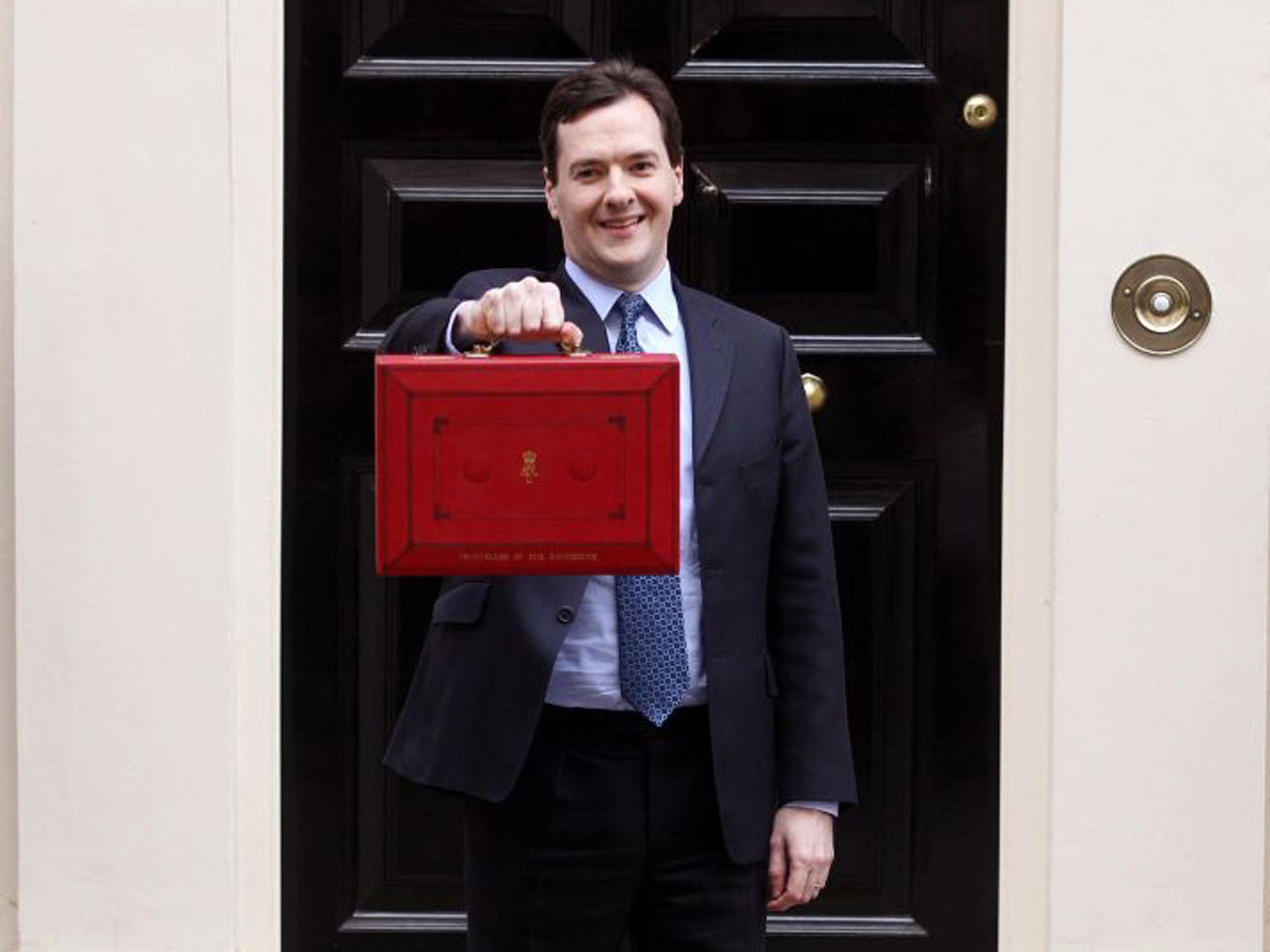
George Osborne has told colleagues that his primary aim for today's Budget – his fourth since becoming Chancellor – is simply to make sure that the whole thing does not unravel. That was pretty much what happened last year when Mr Osborne was compelled to execute a series of embarrassing U-turns on a host of reforms, from meat pasties to caravan taxes, within days of the statement. So expectations for radical moves this time around are low.
No one thinks Mr Osborne will announce anything too drastic or ambitious when he stands up at the Despatch Box. That said, the Chancellor will be acutely aware that the economic pressure is on. The clock is fast ticking down to 2015 and if Mr Osborne wants to boost growth by the next election it's now or never. Given these constraints, here are some of the things that readers might want to look out for today.
Forecast for growth
The Government's independent forecaster, the Office for Budget Responsibility (OBR), is expected, once again, to lower its economic growth forecasts. In December the forecaster projected growth of 1.2 per cent for 2013. But since then we have begun to flirt with a triple-dip recession.
The consensus for 2013 is 1 per cent. Similarly, the OBR's 2 per cent forecast for growth in 2014 looks likely to come down closer to the consensus figure of 1.7 per cent. Mr Osborne wrong-footed his opposite number, Ed Balls, in December when he read out the OBR's verdict that the deficit would still be falling in 2012-13, despite widespread expectations of a year-on-year rise in borrowing .
But most analysts expect the OBR to admit today that it got this wrong and that borrowing will indeed be up – by some £8bn on the previous financial year – once all the distorting effects of the transfer of Royal Mail pension fund assets and gilt interest payments from the Bank of England are stripped out of the national accounts. It is also possible that the OBR will say the Chancellor will not achieve his aim of putting the national debt on a declining trajectory until 2017-18, two years later than the original plan.
Infrastructure spending
In his December Autumn Statement Mr Osborne cut £5bn from departmental budgets and ploughed the money into capital infrastructure projects in the hope that this fiscally neutral spending switch would boost growth. A smaller repeat of this tactic is expected today. There will be a further £2.5bn switch from current spending, with the proceeds spent on roads and housing construction. There will also be an update on the Government's £310bn National Infrastructure Plan to be delivered by Lord Deighton.
Efforts by the Government to persuade pension funds to invest in private infrastructure bonds, by offering state credit guarantees, have been disappointing, with just £700m committed so far. Some business lobby groups – which have been supportive of the Chancellor's strategy – are beginning to lose patience, with some even advocating that the Government should fund the work directly.
Current spending
Tory right-wingers are clamouring for much deeper cuts to departmental spending despite the fact that departments are already experiencing the tightest spending round since the Second World War.
In particular, they want to tear down the ring-fences protecting health and international aid. But they will not get their wish.
The Chancellor is set to confirm that health and international aid will not be required to find new savings over the next two years to pay for the capital spending boost. Indeed, the schools budget will also be spared more cuts, as will the police and local government. Other departments, though, will be told to find a further 1 per cent of budget savings in each of the next two financial years.
Bank of England remit
The Chancellor describes himself as a fiscal conservative and a monetary activist. So the most radical announcement today is likely to be an overhaul of the Bank of England's remit.
There is speculation that the Chancellor will announce a review of the central bank's 2 per cent inflation target to determine whether monetary policy is doing enough to support growth. Some analysts suspect the Chancellor might not even bother with a review, and instead simply announce a change.
Mooted reforms range from changing the wording of the remit to stress that the Bank can hold rates down even if inflation is stubbornly high, to giving the Bank a dual mandate which will include an imperative to bring down inflation.
It is also possible that the Chancellor will announce measures to enhance the existing Funding for Lending programme, jointly run by the Bank of England and the Treasury, which gives commercial banks cheap loans providing they pass the money on to home buyers and small businesses.
The Business Secretary, Vince Cable, has been pressing the Chancellor to make the scheme more helpful to small firms, which have not yet benefited from the cheap funding.
Tax
The Chancellor does not lack advice on tax policy. The Tory right have been demanding capital gains tax cuts, which they believe will lift business confidence. Labour says the Chancellor should cut VAT to take the pressure off consumers. The Liberal Democrats want taxes to go up on property, through the imposition of an annual "mansion tax" on properties worth more than £2m.
None of these requests is destined to be fulfilled. But it is quite conceivable that the Chancellor will announce a further increase in the personal income tax allowance, perhaps finally hitting the long-standing £10,000 target.
Corporation Tax – which Mr Osborne has been slashing since he took office – might also come down to 20 per cent.
The pressure is also growing for the Chancellor to put off a 3p rise in fuel duty which is due to take effect in September. Given the Government's concerns about the squeeze on living standards and the fact that Mr Osborne has been scared off fuel duty rises several times in recent years, it would be no surprise to see him cave in once again today.
Join our commenting forum
Join thought-provoking conversations, follow other Independent readers and see their replies
Comments
Bookmark popover
Removed from bookmarks