Mixmag - It's not just about drugs and bikini-clad women
How 'Mixmag' turned the tables on its doubters and made its 25th birthday. By Tim Walker
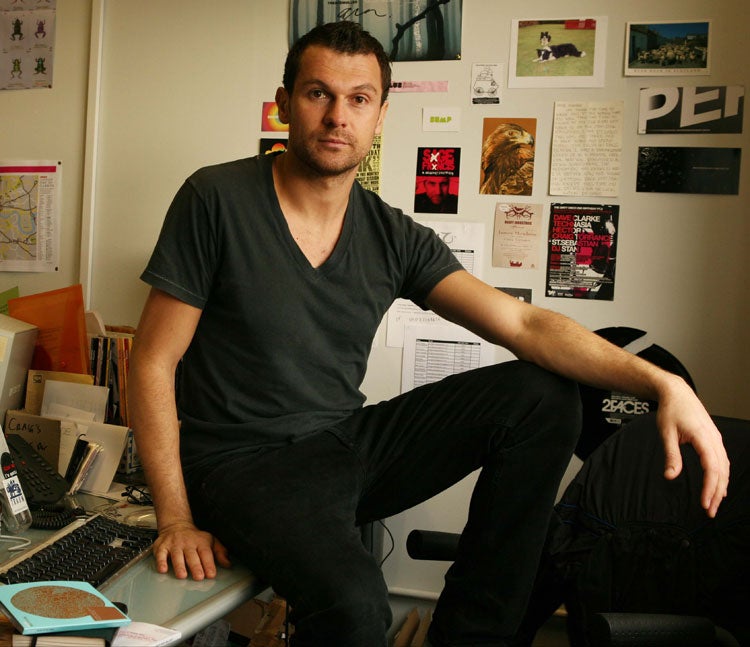
When Mixmag was first published in 1983, a DJ was still a man who told mother-in-law-jokes between records and topped the night off with a wet T-shirt competition. No one had heard of acid house, of big beat, of Ibiza superclubs or minimal techno. The world's biggest dance-music magazine began life as a black-and-white, subscription-only newsletter with a "megamix" cassette of new tunes Sellotaped to the cover.
A quarter of a century later, and Nick DeCosemo, Mixmag's current editor, is just putting the finishing touches to this month's anniversary issue, a considerably glossier showcase with a cover photo featuring 25 artists whose collective creative endeavours have changed Britain's musical landscape irrevocably since those dark days in 1983, when British DJs were still picking over the wreckage of disco.
Laurent Garnier has mixed a free CD of tunes from the last 25 years for the anniversary. Among the cover stars are Fatboy Slim, who in 1983 had just begun DJing at student parties in Brighton; Karl Hyde of Underworld, who was then recording with a New Romantic band; and Dizzee Rascal, who wasn't even born until two years later.
"Year zero for Mixmag as we now know it was the arrival of acid house in Britain," says DeCosemo. "A group of people, including Paul Oakenfold and Danny Rampling, went on holiday to Ibiza in 1987, seized on this sound, brought it back to London and combined it with ecstasy. All of a sudden, house music went from being a niche style made by a few kids in Chicago to the biggest youth culture movement since the 60s."
Mixmag quickly became the rave counterculture's in-house publication, no longer catering solely to DJs and performers, but to their fans as well. As the scene grew and changed, so did its favourite magazine, championing new talent and becoming an authority on the dance and drug phenomenon to which the BBC and even the Home Office would turn for information.
"It's been fantastic fun to put the anniversary issue together, seeing the different mutations the magazine has gone through over the years," says DeCosemo. "It's also a British cultural history. We've included little bits of pop culture and politics, stuff that loomed large in our readers' lives, like the poll tax and the criminal justice bill.
"Acid house was a tabloid bugbear when it started, but it completely changed Britain, and most people who work in the creative industries now will have had some experience of it. Clubbing in 2008 is glamorous and intelligent and vibrant and creative as a culture. Compare that to 'Booze Britain' and the country's binge-drinking problems. It's an amusing irony that something that was seen as a great terror has generated a group of really industrious, innovative people."
During the acid house explosion, Mixmag founder Tony Prince and his publishing outfit, DMC, had to all intents and purposes been producing about 70,000 copies per month from Prince's home in Slough. The magazine's popularity was too great for DMC to sustain, and in the mid-1990s it was sold to Emap, who made it the glossy bestseller it became in its heyday.
"Until 2000, Mixmag's readership rose steadily, as dance and electronic music became more popular and more commercialised," DeCosemo explains. "The bubble burst when a lot of the superclubs had to scale back, and dance music was proclaimed dead by the music press. Then The Strokes came along and suddenly dance wasn't the coolest kid on the block any more."
As dance music's star waned, so did the popularity of the magazine. "Emap did what the industry did with so many magazines, which was to make them all look like men's magazines," DeCosemo says. Soon, every issue was plastered with images of bikini-clad Ibiza girls. "It went very downmarket; it was all about pills, pills, pills. I was really sad because I used to read it growing up. It was cool to read it; it made you part of an elite gang, doing something a bit edgy and rebellious, but also fun and full of amazing people."
The sinking ship was hauled to safety in 2005, when it was bought by Development Hell, home of The Word. The company's top brass includes former Emap employees Mark Ellen and David Hepworth, with a background in quality music magazines like Q, Select, Mojo and Smash Hits. Development Hell's managing director, Jerry Perkins, was the same man who had originally acquired Mixmag for Emap.
"The idea was to turn it back into a credible, respected music magazine again, one that people trusted," DeCosemo says. "There are still pictures of young, beautiful people, but it's now girls and boys. We don't cover drugs in the magazine any more. It cheapened the magazine and there's nothing new to say about it."
With similar publications having fallen by the wayside, Mixmag now has little direct competition, says DeCosemo. "And because we've become a proper music magazine again, we're one of the few outlets for music writers to write long, detailed pieces. There's proper journalism in the magazine now."
DeCosemo's current readers are a mixture, he says, of young clubbers and acid house veterans who feel a historical affinity with the magazine. It's a mixture that's reflected in the content: techno pioneers such as Carl Craig rub pages with youthful, rock-influenced acts such as Justice, Pendulum and Crystal Castles.
Like every magazine, Mixmag has invested in its digital presence. "We're possibly the one magazine that has benefited from the proliferation of technology," the editor says. "The availability of really good music technology has democratised dance music. The scene is more exciting and vibrant than it's ever been. In the past, you became a big DJ if you could get the new tunes before anyone else. Now everyone has the new tunes straight away. So if you want to stand out, you have to make your own tracks. I think it's good: it makes everyone more industrious. Technology is a problem for magazine publishing in general. But if it hadn't been for that explosion in technology, then Emap would probably have let Mixmag peter out altogether."
DeCosemo leads a double life as a DJ and performer, and was formerly the editor of FHM Collections; he has been Mixmag's editor for a year. He has high hopes for the future of his magazine and its tiny editorial staff. Circulation has steadied somewhere just below the 40,000 mark, and the magazine has already regained its reputation in the industry. Now it's time to convince the wider world.
"The cover shoot proved that we'd made Mixmag the authoritative, cutting-edge voice of the dance music culture again," says DeCosemo. "Daft Punk, for instance, are notoriously difficult to communicate with and barely do any press. They flew in from Europe to take part, at their own expense."
The 'Mixmag' 25th anniversary issue is published on 17 April
Join our commenting forum
Join thought-provoking conversations, follow other Independent readers and see their replies
Comments