Andrew Keen: The Tipping Point has finally arrived for the publishing industry
New Media
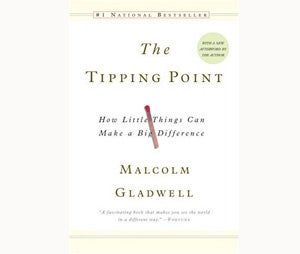
The medium isn't always the message. In his 2000 best-seller, The Tipping Point: How Little Things Can Make a Big Difference, the American pop sociologist Malcolm Gladwell described a "tipping point" as "the moment of critical mass, the threshold, the boiling point" when change becomes unavoidable and inevitable.
But Gladwell didn't use his Tipping Point – a printed book that was mass published and sold through both traditional and online bookstores – to discuss or execute fundamental change in book publishing.
While the internet has savaged the newspaper and recorded industries, it has had much less impact on the book business. But in 2009, one big thing and many little things in new media have conspired to bring traditional publishing to boiling point. Writers, publishers and readers have collectively reached a threshold of change from which they can't retreat.
That one big thing is digital book technology. Until now, the e-book has been more breathless theory than digital practice. But with the growing popularity of the second generation Amazon Kindle (still available only in the US), the Sony Reader and persistent rumours of a digital reading device from the American book retailer Barnes & Noble, the idea of replacing the bulky book with a convenient digital device is increasingly attractive.
Digital has even begun to revolutionise the printing process. A couple of weeks ago, publishing industry professionals at the London Book Fair were treated to a demonstration of the radical new Espresso Book Machine – a digital contraption that prints books on demand in under five minutes. This so-called "ATM for books" – the invention of ex Random House publisher Jason Epstein – changes everything about traditional bookstores. With the Espresso Book Machine, book retailing has suddenly gone flat, the tiniest bookseller now having access to the identical inventory as the megastore.
But it's the little changes in publishing that are really making all the difference. Some of these changes are connected with the ecosystem of the e-book. Take Apple's iPhone app store, for example, which is featuring more and more digital applications – such as Scroll Motion, Short Covers and Classics – for reading e-books on your phone. The Apple store has become so popular that Amazon last week acquired Lexcyle, the company behind the most popular iPhone app, the Stanza e-reading interface.
Then there are the increasingly innovative changes to the way in which traditional publishers are packaging and selling digital books. A couple of weeks ago, for example, Random House UK launched www.BookAndBeyond.com, an enhanced e-book initiative which provides consumers of e-books with interactive audio and video interviews and features from popular authors like James Patterson, Lee Child and Marcus Zuzak.
And so, without huge fanfare, Gladwell's tipping point has caught up with the book business. The age-old reality of distributing centrally published books through retail stores is being replaced by a new reality of interactive e-books and an evolving ecosystem of supply and demand. 2009 might be remembered as the year the medium finally caught up with the message.
Join our commenting forum
Join thought-provoking conversations, follow other Independent readers and see their replies
Comments