Glaxo 'downplayed' warning on heart-attack risk from Aids drug
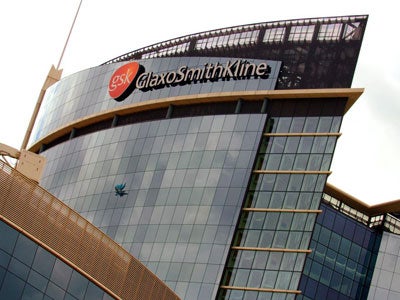
The multinational drugs company GlaxoSmithKline (GSK) downplayed an early warning about the rising number of people who have suffered potentially fatal heart attacks following the use of its £600m anti-Aids drug, which is taken daily by tens of thousands of people around the world.
GSK was officially told of the possible risk in May 2005, three years before it issued a statement to its investors saying that the findings of an even stronger potential link between heart attacks and its antiviral drug abacavir are both “unexpected” and “unconfirmed”.
The company also said that it could find no association between abacavir use and heart attacks following a trawl through its internal data, however it failed to mention that its own summary of product characteristics issued when the drug was launched in the late 1990s had actually described “mild myocardial degeneration” in the hearts of mice and rats given the drug for two years.
Some scientists involved with monitoring the safety of Aids drugs are privately furious with GSK for downplaying the significance of one of the biggest safety trials into abacavir – one of several anti-viral drugs taken by Aids patients as part of combined HIV therapy – when the findings were published last month.
“GSK was extraordinarily well prepared in terms of a statement that downplayed the significance of the findings,” said one of the scientists close to the safety study.
“As a consequence, people are now confused and perplexed because they think there is something wrong with the study itself because GSK said that it cannot find any evidence to support the findings of a link with myocardial infarction [heart attacks],” he said.
Alastair Benbow, European medical director for GSK, said that the company takes any new information about the safety of its drugs seriously but it did not want to highlight what may be “spurious observations” relating to abacavir.
The first public sign that abacavir may be linked with increased risk of heart attacks emerged this April when The Lancet published the worldwide “DAD” study into the adverse reactions to anti-HIV drugs, involving clinical observations of 33,347 Aids patients across Europe, Australia and the United States.
The study found that the risk of having a heart attack in patients taking abacavir was almost double that of HIV patients who did not take the drug as part of their combination therapy. The study also found that the risk of heart attacks returned to normal six months after they had stopped taking abacavir.
Independent scientists who analysed the DAD findings said in The Lancet that the data were not strong enough to establish a causal connection because that would have required a different type of study; but they emphasised that the observed increase in the risk of heart attacks was “too strong to ignore”.
The same scientists also pointed out that the studies on which GSK relied for casting doubt on the DAD study were themselves not powerful enough to discount a link between the drug and the risk of heart attacks.
To coincide with the Lancet publication, GSK issued a statement to its investors playing down the association between abacavir and heart attacks, saying that the findings of the DAD study were unexpected and that no possible biological mechanism to explain it has been found.
The statement did not mention that GSK had been made aware three years earlier of a report involving 34 cases of heart attacks in patients taking abacavir. The report or “signal” was sent to the company in May 2005 by an international drug-monitoring centre operated by the WHO in Uppsala, Sweden.
“We sent them the signal and we gave them the chance to comment on it. We received a reply, which was in effect a no-reply. They said ‘thank-you’ and that was all,” said Dr Ralph Edwards, director of the Uppsala Monitoring Centre.
“The purpose of our signal was to do exactly that, to make them aware that there is at least a risk. We expect countries and companies to take it seriously. I am disappointed with GSK’s response in the published literature,” Dr Edwards said.
Dr Benbow said that GSK investigated the Uppsala signal in 2005 and carried out a check of its own internal data, as well as the database of the American Food and Drug Administration, but could not replicate the finding. “So there was not a signal in our internal database or that of the FDA,” he said.
Didier Lapierre, GSK’s vice president of clinical development, said in the statement to investors at the time of the April DAD study that the increased relative risk of heart attacks remained low in absolute terms and that patients should not discontinue treatment without medical advice.
“The DAD findings are unexpected, since we have not seen similar findings in our studies, and we are unaware of any potential biological mechanism that would explain them. In our own analysis of trials involving more than 9,600 patients, no increased risk of heart attack associated with abacavir was found,” Dr Lapierre said.
Scientists involved in the DAD study, however, believe that a possible biological mechanism is that abacavir is converted into a potentially toxic substance called carbovir once it gets into the cells of the heart.
They cite GSK’s own research on animals in support of this hypothesis which found that abacavir is associated with mild myocardial degeneration in the heart tissue of rats and mice given the drug for a period of two years. Dr Benbow said that the company has investigated this hypothesis but has not found any data to support it.
However, Professor Jens Lundgren of Copenhagen University, who led the DAD study, said that his team is actively pursuing this proposal as a possible explanation for the doubling of the risk of heart attacks seen in abacavir patients.
“We do have a sense of what could be the problem. However, we were completely crushed in the GSK media machine when our study came out. GSK were made aware of the findings at the end of last year when we had the first meetings with them,” Professor Lundgren said.
The US Federal Drug Administration and the European Medicines Agency have both said that at present there is no reason to change the prescribing information for abacavir, however they are both reviewing the safety data on abacavir in relation to heart attacks and are expected to issue their conclusions and recommendations later this year.
Join our commenting forum
Join thought-provoking conversations, follow other Independent readers and see their replies
Comments
Bookmark popover
Removed from bookmarks