Hormone could heal brain damage
Female steroid could reverse effects of head injuries, if used quickly
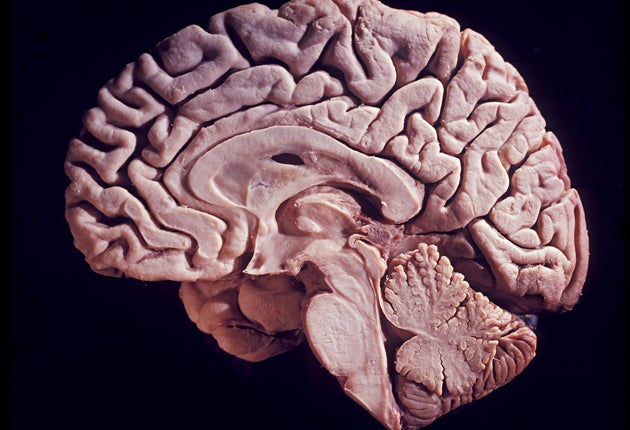
A female sex hormone involved in pregnancy has been found to be so successful in repairing brain damage in both men and women that a large-scale clinical trial is scheduled to begin next month on more than 1,000 victims of severe head injuries.
Progesterone, a "sex steroid" produced in women as part of the menstrual cycle, is to be injected into patients who suffer brain injuries within hours of their accident in an attempt to limit or even reverse the long-term damage that normally results from severe trauma.
Earlier tests on laboratory animals and a smaller clinical trial have shown that the hormone is safe to use and can help the brain recover to the extent that disability was reduced and deaths halved, scientists said yesterday.
Although the researchers cannot fully explain why the female hormone has such a beneficial effect on a damaged brain, they believe preliminary findings are good enough to warrant a full-scale clinical trial on about 1,140 people.
The participants in the American trial will be taken from the thousands of people who will suffer accidental trauma over the next six months. They will mostly be victims of traffic accidents but they may also include US soldiers wounded in Iraq or Afghanistan.
Because of the importance of administering the hormone quickly after an accident, and because it will probably involve injecting substances into an unconscious patient, US scientists have taken the unusual step of bypassing the normal convention of seeking informed consent from close relatives.
"A person might well be enrolled in the study without a legal guardian's or family member's consent. The US Food and Drug Administration has created a set of special rules [which] allow research studies in certain emergency situations to be conducted without consent," said David Wright, assistant professor of emergency medicine at Emory University in Atlanta, Georgia, and lead investigator on the trial.
"No new treatment for severe traumatic brain injury has been approved in over 30 years. We hope to conclude in this national trial that progesterone – along with standard medical trauma care – works better than standard medical care alone in reducing brain damage," Dr Wright said.
The trial will involve 17 medical centres across 15 states and will cost $14.5m (£9m), funded by the US government. It will be run as a double-blind, placebo-controlled trial to establish whether progesterone can help mend damaged brains and, if so, by how much.
Details of the clinical trial were released yesterday at the American Association for the Advancement of Science in San Diego. Scientists emphasised that progesterone will be given alongside conventional treatments for severe brain injury and only in life-threatening situations.
"We found evidence that progesterone is not only safe, showing no evidence of side-effects or serious harmful events, we also found a 50 per cent reduction in mortality," Dr Wright said. Tests on patients recovering from brain injuries also showed that progesterone could improve recovery and reduce disabilities among those with moderate injury.
Although progesterone is a sex steroid it is also known to be a "protection hormone". It is naturally present in the brains of men and women and human brain tissue is loaded with progesterone receptors. Professor Donald Stein of Emory's School of Medicine suspected that female hormones might be involved in brain recovery when he noticed that women tend to recover more quickly from brain injuries and strokes than men.
Join our commenting forum
Join thought-provoking conversations, follow other Independent readers and see their replies
Comments
Bookmark popover
Removed from bookmarks