Scientists try to bring 12-foot tall giant bird back from 600-year extinction
Lord of the Rings filmmaker Sir Peter Jackson, who is funding the ‘de-extinction’ project, says the successful reintroduction of the giant mao bird would be a dream
A Texas-based company with backing from Lord of the Rings film-maker Sir Peter Jackson is trying to bring a giant bird back from extinction.
Colossal Biosciences has announced an effort to genetically engineer living birds to resemble the extinct South Island giant moa, which once stood 12 feet (3.6 meters) tall, with $15 million (£11m) in funding from Sir Peter. The collaboration also includes the New Zealand-based Ngāi Tahu Research Centre.
It is not the first time they have tried to resurrect a species; scientists at Colossal successfully bred designer gray wolves with genetic similarities to the extinct dire wolf.
But it is the first time they have tried to raise a bird, which, given that bird embryos develop inside eggs, presents different challenges to mammalian IVF.
Colossal says it aims to resurrect the species within five to 10 years. The first stage of the project will be to identify well-preserved bones from which it may be possible to extract DNA, said Colossal’s chief scientist Beth Shapiro.
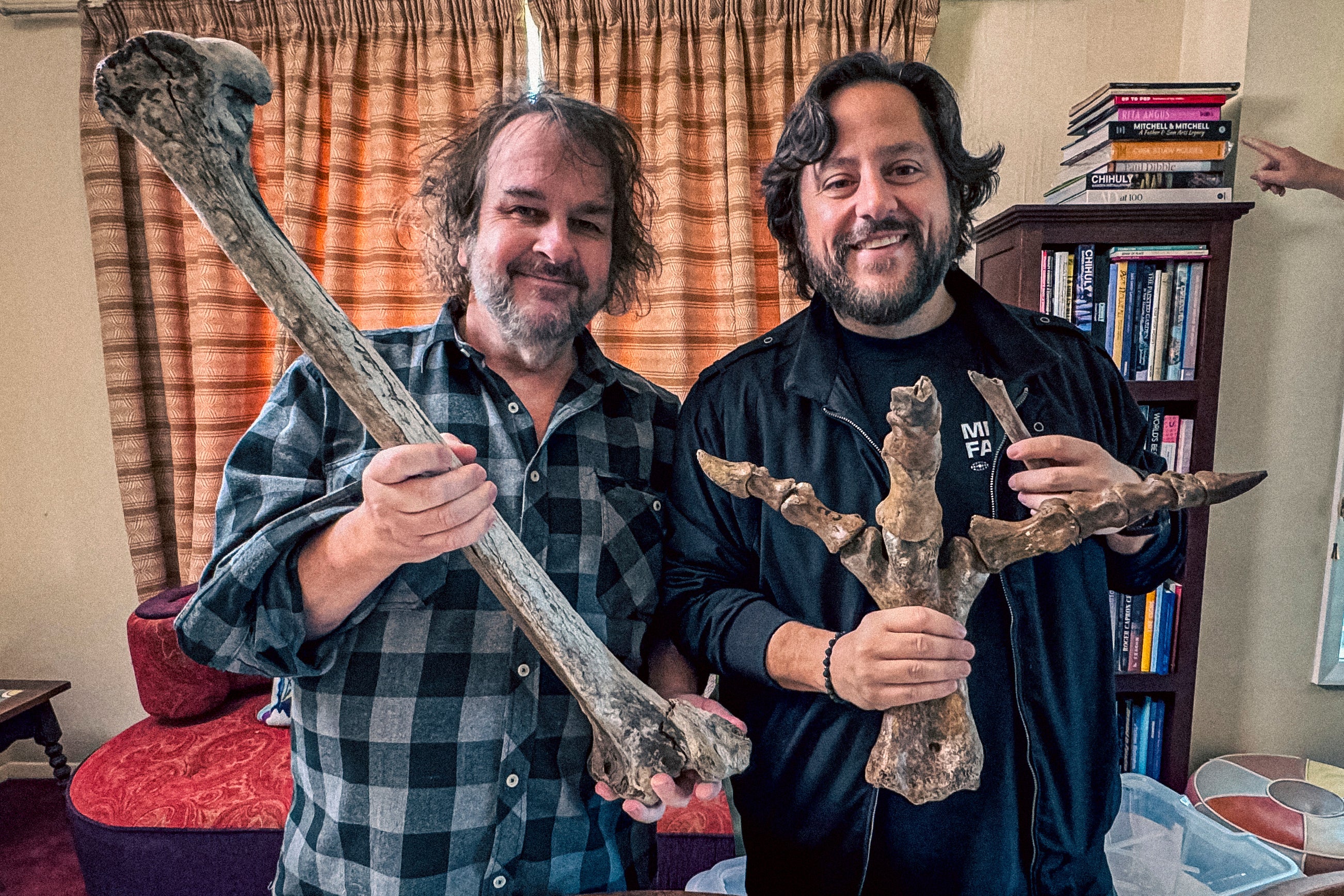
Those DNA sequences will be compared to genomes of living bird species, including the ground-dwelling tinamou and emu, “to figure out what it is that made the moa unique compared to other birds,” she said.
The genetically modified birds will then be hatched out and released into enclosed “rewilding sites”, the company says.
“The hope that within a few years, we’ll get to see a moa back again – that gives me more enjoyment and satisfaction that any film ever has,” says Sir Peter, who has collected between 300 and 400 mao bones himself.
“The movies are my day job, and the moa are my fun thing I do. Every New Zealand schoolchild has a fascination with the moa.”
But the idea is not without controversy. Outside scientists say the idea of bringing back extinct species onto the modern landscape is likely impossible, although it may be feasible to tweak the genes of living animals to have similar physical traits.
They have mixed feelings on whether that will be helpful, and some worry that focusing on lost creatures could distract from protecting species that still exist.
The moa had roamed New Zealand for 4,000 years until they became extinct around 600 years ago, mainly because of overhunting.
A large skeleton brought to England in the 19th century, now on display at the Yorkshire Museum, prompted international interest in the long-necked bird.
Join our commenting forum
Join thought-provoking conversations, follow other Independent readers and see their replies
Comments