Scientific illiteracy all the rage among the glitterati
When it comes to science, Barack Obama is no better than many of us. Today he joins the list of shame of those in public life who made scientifically unsupportable statements in 2008.
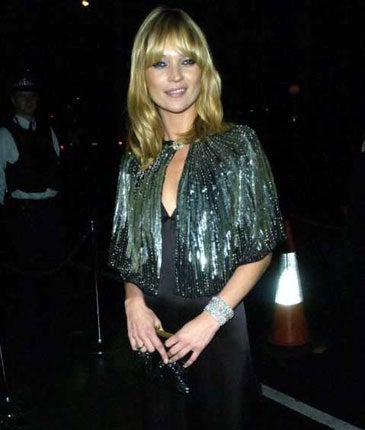
Closer to home, Nigella Lawson and Delia Smith faltered on the science of food, while Kate Moss, Oprah Winfrey and Demi Moore all get roastings for scientific illiteracy.
The Celebrities and Science Review 2008, prepared by the group Sense About Science, identifies some of the worst examples of scientific illiteracy among those who profess to know better – including top politicians.
Mr Obama and John McCain blundered into the MMR vaccine row during their presidential campaigns. "We've seen just a skyrocketing autism rate," said President-elect Obama. "Some people are suspicious that it's connected to the vaccines. This person included. The science right now is inconclusive, but we have to research it," he said.
His words were echoed by Mr McCain. "It's indisputable that [autism] is on the rise among children, the question is what's causing it," he said. "There's strong evidence that indicates it's got to do with a preservative in the vaccines."
Exhaustive research has failed to substantiate any link to vaccines or any preservatives. The rise in autism is thought to be due to an increased awareness of the condition.
Sarah Palin, Mr McCain's running mate, waded into the mire with her dismissal of some government research projects. "Sometimes these dollars go to projects that have little or nothing to do with the public good. Things like fruit fly research in Paris, France. I kid you not," Ms Palin said. But the geneticist Ellen Solomon takes Ms Palin to task for not understanding the importance of studies into fruit flies, which share roughly half their genes with humans. "They have been used for more than a century to understand how genes work, which has implications in, for example, understanding the ageing process," she said.
Hollywood did not escape the critical analysis of the scientific reviewers, who lambasted Tom Cruise, for his comments on psychiatry being a crime against humanity, and Julianne Moore, who warned against using products full of unnatural chemicals.
"The real crime against humanity continues to be the enduring misery caused by the major mental illnesses across the globe, and the continuing lack of resources devoted to supporting those afflicted," said the psychiatrist Professor Simon Wessely.
In answer to Moore, the science author and chemist John Emsley said that natural chemicals are not automatically safer than man-made chemicals, which undergo rigorous testing.
"Something which is naturally sourced may well include a mixture of things that are capable of causing an adverse reaction," Dr Emsley said.
Other mentions went to the chefs Nigella Lawson, who said "mind meals" can make you feel different about life, and Delia Smith, who claimed it is possible to eliminate sugar from the diet. The dietician Catherine Collins said that Lawson's support for expensive allergy foods is a wasted opportunity and too costly for those on limited incomes, while Lisa Miles of the British Nutrition Foundation said that sugars are part of a balanced diet.
Kate Moss, Oprah Winfrey and Demi Moore all espoused the idea that you can detoxify your body with either diet (scientifically unsupportable) or, in the case of Moore, products such as "highly trained medical leeches" which make you bleed. Scientists point out that diet alone cannot remove toxins and that blood itself is not a toxin, and even if it did contain toxins, removing a little bit of it is not going to help.
But top prize went to the lifestyle guru Carole Caplin for denouncing a study showing that vitamin supplements offer little or no health benefits as "rubbish" – it is the third year on the run that she has been mentioned in the review. Science author and GP Ben Goldacre pointed out that the study Ms Caplin referred to was the most authoritative yet published. "Carole should understand that research can often produce results which challenge our preconceptions: that is why science is more interesting than just following your nose," Dr Goldacre said.
Talking sense: Two who got it right
*The writer Jilly Cooper gets nine out of ten for making a stab at why alternative treatments might work: "If you believe them, then they work." That describes the placebo effect, where a harmless but useless remedy seems to work because the patient feels as if it is working.
*The vocal coach and singer Carrie Grant is applauded for raising the profile of Crohn's disease without abusing the science. "There are so many therapies available, but none of them are going to cure you," she said.
Join our commenting forum
Join thought-provoking conversations, follow other Independent readers and see their replies
Comments
Bookmark popover
Removed from bookmarks