Asbestos victims offered £70m support package
Unions divided on plan to set up a research centre and compensation fund – because of exclusions
The Government is set to present a £70m package of help for asbestos victims to trade unions this week. The proposals include setting up a research centre into asbestos-linked diseases; insisting insurers fund compensation for dying victims unable to rely on their employers' insurance; and more money for sufferers of the deadly asbestos cancer mesothelioma.
The proposals, campaigned for by the IoS, are likely to receive a mixed reaction from campaigners seeking justice for thousands of workers who face painful deaths because of negligent exposure by their employers.
The fund and research centre were welcomed last night, but opponents were quick to criticise the Government's decision not to overturn a 2007 law lords' ruling which left sufferers of a condition known as pleural plaques ineligible for compensation. The condition is often a sign of the onset of deadly asbestos diseases.
The proposals were outlined in a private meeting between Gordon Brown, the Justice Secretary, Jack Straw, and concerned MPs last week. Sources confirmed that if accepted by the unions, the plans would be rapidly adopted. But the construction union UCATT called the proposals "morally indefensible".
The establishment of an Employers Liability Insurance Bureau to maintain a "fund of last resort" for victims of asbestos exposure who cannot trace their employers' insurers is the most significant victory, as it will be mainly paid for by the insurance industry.
Tony Whitston, of the Asbestos Support Groups' Forum, said: "Lots of this is really good: establishing a fund of last resort will make a huge difference to people who are dying. And a research centre is also something we've been calling for for some time."
The decision not to overturn the law lords' pleural plaque ruling is certain to provoke resentment, especially since it has already been reversed in Scotland.
Insurers lost their appeal against the Scottish Parliament's decision to compensate sufferers earlier this month, which means English and Welsh sufferers will now be discriminated against. Those who lodged a claim before the ruling will now be eligible for compensation.
Jimmy Parrish, the GMB union branch chairman for Barking, criticised the decision to leave the ruling in place. Asbestos-related diseases have affected 67 of his members since 1998, many of whom were first diagnosed with pleural plaques and 30 of whom are now dead.
"It's just no good for us at all," he said. "Now we won't get any money until we're dying, and it leaves us in the position that the English don't have the same rights as the Scottish."
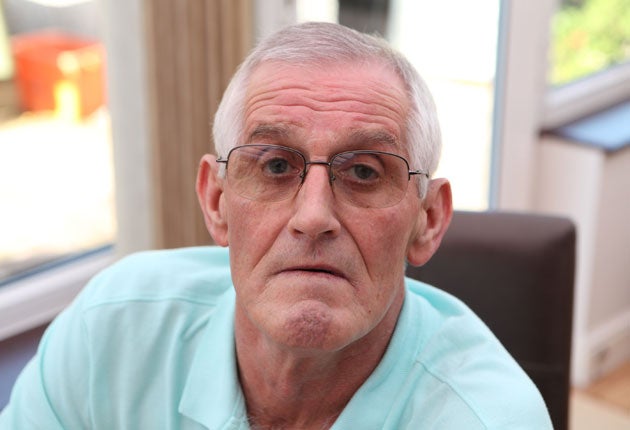
Peter Bragger, a former lagger, is dying of asbestosis. "I was told I'd be very unlucky if my pleural plaques developed into asbestosis, but here I am," he said. Since the IoS first featured Mr Bragger last November his condition has deteriorated significantly. Now he is confined to a wheelchair and facing chemotherapy for a further three suspected cancers on his lung.
"The Government needs to do the right thing," he said: "It should have influence on the insurers, but instead ministers are tied up with them."
Mr Straw is understood to have said that overturning the pleural plaque ruling would be too costly, with the Government already facing liabilities of up to £600m because so many public sector workers were exposed to asbestos in previously nationalised industries and in the Armed Forces. Critics believe ministers have surrendered to the powerful insurance lobby.
Andrew Dismore MP, who tabled two bills to overturn the 2007 ruling, said: "If you've got pleural plaques, there's nothing in this package for you. What's on offer is not chicken feed, but it will mean there are lots of people who will not get the compensation they deserve."
A Ministry of Justice spokeswoman said it had "looked beyond the issue of pleural plaques to consider how people who have been exposed to asbestos can be supported more widely".
The unions are expected to welcome the fund, particularly since there remains only a short window to act before a general election is called.
Join our commenting forum
Join thought-provoking conversations, follow other Independent readers and see their replies
Comments
Bookmark popover
Removed from bookmarks