Assange: The truth will out
How did Julian Assange's autobiography become unauthorised? To introduce exclusive extracts from the WikiLeaks figurehead's memoir, Jerome Taylor recounts the behind-the-scenes battle for publication
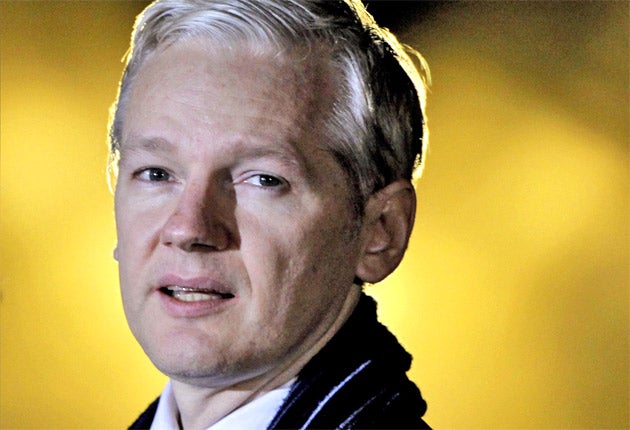
He never wanted to write his autobiography.
Ever since publicly coming out as the face of WikiLeaks early last year, his personal story has dominated the newspapers almost as much as his whistleblowing platform's stunning series of exposés.
Julian Assange's sudden appearance centre stage even prompted a number of WikiLeaks volunteers to leave the group last autumn, claiming the campaign they signed on to – greater government transparency globally – was being overshadowed by Assange the man and his personal political agenda.
Mr Assange was more than aware that his own profile threatened to overshadow his work. He often complained that the media were more interested in him than his leaks. The book offers came thick and fast, with the 40-year-old Australian initially showing little interest in adding personal fuel to the fire. But his acute need for hard cash once the Swedish authorities began pursuing him for questioning over sexual assault allegations changed all that.
For Canongate, the small Scottish publishing firm that eventually beat competitors to sign an exclusive six-figure deal with Mr Assange, the publication of his memoir is the culmination of a fraught series of fallouts that nearly led to the entire project being shelved.
In late December Mr Assange accepted an advance – reportedly worth hundreds of thousands of pounds – from Canongate and New York publisher Alfred A Knopf to write a "part memoir, part manifesto".
Canongate went on to sell the rights to a further 38 publishing houses around the world. The Scottish novelist Andrew O'Hagan was brought in as a ghost writer and spent more than 50 hours with Mr Assange.
At the time, the WikiLeaks founder trumpeted the deal, saying he hoped his book would become "one of the unifying documents of our generation" which would explain his "global struggle to force a new relationship between the people and their governments".
But the relationship soured soon after the first draft of the manuscript was delivered to him in late March, prompting him to pull the plug on the deal, declaring that "all memoir is prostitution". For the publishers his complaints came out of the blue. Only a week earlier he had posed for a photo shoot and cleared the portrait that now graces the book's front cover.
Sources have told The Independent that the WikiLeaks founder was increasingly uncomfortable about how the book contained too many personal biographical details and read less like a political manifesto than he had hoped for. On 7 June he informed Canongate that he wanted to cancel his contract. Mr O'Hagan, meanwhile, was increasingly uncomfortable about the furore. His name will not appear on the memoir. The result might be a publishing first: a memoir categorised as an "Unauthorised Autobiography".
Mr Assange's decision to renege on his contract plunged Canongate into a crisis. Faced with the prospect of having to forego payment for the rights they had already sold abroad, they tried to negotiate but found Mr Assange unwilling to reach a compromise. He was given two months to work on the manuscript but deadlines went by without any further work.
The publisher's lawyers believe they still have the right to release the memoir because a reported £400,000 advance that was paid to Mr Assange has not been returned. It is believed the money was placed into escrow, which means that Mr Assange's lawyers have first claim on it once their legal bills are due.
Canongate decided to press ahead with publication but gave Mr Assange a 12-day window to seek an injunction. That deadline expired on Monday and they have since enacted a huge security operation to secretly ship books out to thousands of stores nationwide without tipping anyone off as to the content of the book.
Mr Assange will continue to receive royalties from global sales, meaning he is in line for a significant input of cash once the book hits the shelves around the world.
In a note at the beginning of the 244-page memoir, Canongate explain their reasons for publishing: "We disagree with Julian's assessment of the book. We believe it explains both the man and his work, underlining his commitment to the truth. Julian always claimed the book was well written; we agree, and this also encouraged us to make the book available to readers."
Join our commenting forum
Join thought-provoking conversations, follow other Independent readers and see their replies
Comments
Bookmark popover
Removed from bookmarks