Police revise 'racist' events risk form
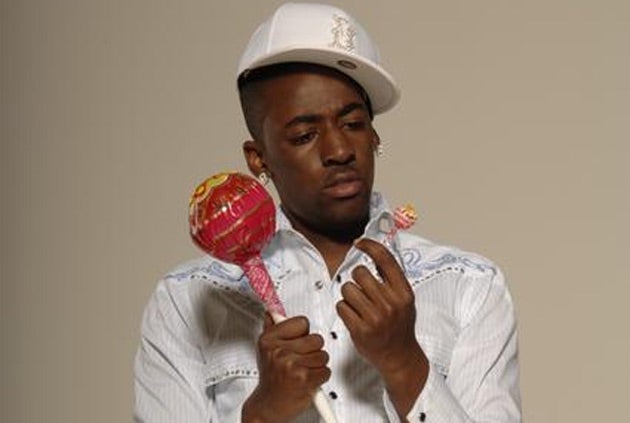
Bowing to pressure from a growing coalition of race activists and urban music stars, the Metropolitan Police today agreed to revise a controversial method of monitoring gigs which critics have labelled "potentially racist".
Complaints have been growing in recent months over the Met’s use of Form 696 – a voluntary policing tool which asks venues to provide the names, addresses and contact telephone numbers for artists and promoters.
London’s police force have long argued that Form 696 is a vital way of being able to monitor and crack down on gun crime which can often flair up after concerts and club nights. But critics have accused the police of using the form to target music genres that are popular with black and Asian fans such as grime, bashment and hip-hop. They believe the form unfairly treats entire music genres as potentially criminal rather than target the individuals causing violence at music gigs.
Heralding what they describe as a more “laissez faire” approach to policing urban gigs in the capital, the Met today said that they would now no longer ask venues to provide the telephone numbers of artists booked for a night. They also announced the creation of a scrutiny panel which would keep an eye on how police officers are using Form 696 and to address any concerns within the music industry.
Detective Chief Superintendent Richard Martin, who is head of the Metropolitan Police's clubs and vice unit, emphasised the voluntary nature of the form which, he admitted, had "some clumsy bits". But he insisted his officers would continue to encourage venues to give details of their promoters and musicians in order to crack down on gang related violence.
In an attempt to allay fears that the police were targeting specific music genres, Chief Superintendent Martin said: "I'm not interested in the music type. Sometimes it's just about the following. If you have a series of people playing in a nightclub, each will have their own following. Sometimes those followings don't get on."
Venues that tended to cause the most amount of problems for law and order, he said, tended to be club nights featuring recorded music after 10pm rather than live music events. As a result there would be less emphasis on persuading live venues to fill in Form 696 and more interaction with club night promoters.
The police were forced to clarify their use of Form 696 after a coalition of more than 50 race activists, music stars and politicians – including black minister David Lammy – called on the Equalities and Human Rights Commission to intervene, saying there was "unease" that it was being used to target events by black or Asian organisers.
Speaking to The Independent yesterday Bashy, a popular grime artist who is nominated for two MOBOs, called on the Metropolitan Police to abandon the form altogether. "Form 696 is completely prohibitive,” he said. “Of course I recognise the overall purpose behind the introduction of the form, but ultimately its administration is faulty. It’s not exercised with rock stars or high profile individuals who have equally high profile criminal records, instead it's purely applied to events where urban artists are attending.”
He added: “Music is such a positive form of expression and I hate that something as assumptive as 696 is being imposed on my craft. I've signed a petition to have it scrapped as it concerns me that the MET would try to make a professional assessment about the risk of trouble at an event, based purely on the ethnic make-up of those attending."
Sunny Hundal, the editor of political blog Liberal Conspiracy and the original author of the letter to the EHRC, said “Form 696 is a stupid bit of bureaucracy which often makes it incredibly difficult to host live music in the capital and which also has a distinctly racial element to it. When the earlier versions of the form came out the police were asking for the general ethnicity of those who would attend a music night. They’ve got rid of that but they still ask for the type of music being played which is clearly just another way of racially profiling an event. It’s not about preventing terrorism, it’s about creeping authoritarianism.”
The Liberal Democrats have also spoken voiced their concerns over the form. Don Foster, Liberal Democrat Shadow for Culture, Media and Sport Secretary, said: “It is frankly bizarre that the police believe that there is some kind of link between the genre of music and the perceived safety of audience members.The police seem to be saying certain music genres and the people who enjoy them are ‘trouble’ and must be heavily monitored.”
But others have defended the form and say it has helped keep potentially violent gangs away from each other at heavily packed gigs where bystanders could easily get hurt. John Noblemunn, vice-chairman of the Trident Independent Advisory Group, which works with police to tackle crime among young black people in the capital, said he knew of an incident in Haringey, north London where a 696 was completed and extra security was put in place because it was feared a shooting would take place.
As a result of the extra security checks, two people were stopped who were carrying guns, he said.
Join our commenting forum
Join thought-provoking conversations, follow other Independent readers and see their replies
Comments
Bookmark popover
Removed from bookmarks