The stately homes built on the back of slaves
Some of our most prized estates were bought with compensation paid to former slave owners after abolition
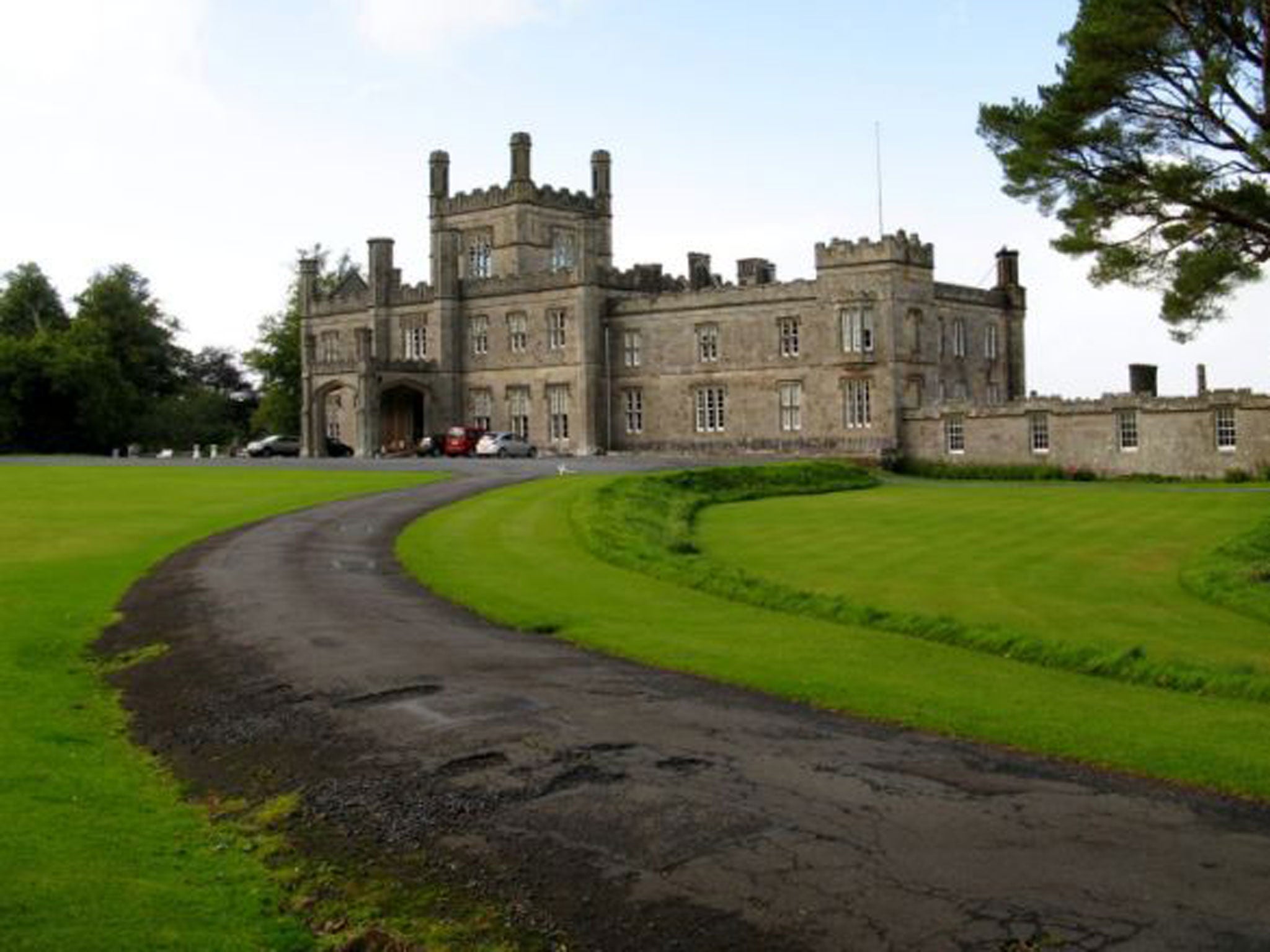
Some of Britain's most illustrious stately homes were built or bought with money reaped from slavery, it can be revealed. More than 100 country houses and estates across the country benefited from the millions of pounds given in compensation to slave owners in the 19th century.
The IoS revealed last week that when slave ownership was abolished by Britain in 1833 the government paid out a total of £20m – the equivalent of £16.5bn today – to compensate thousands of wealthy families for their loss of "property".
Now historical records have been released showing that many of those who received the windfalls ploughed at least some of the cash into buying, building or refurbishing some of the greatest properties in the British countryside.
A number of the homes have since been lost to the ravages of time or destroyed in one of the world wars. But many are still standing and have either been taken over by the National Trust or remain in private ownership.
Among the homes linked to the slave compensation payouts is Blairquhan Castle in Ayrshire, Scotland, which was used as a substitute location for Balmoral Castle in the Oscar-winning film The Queen.
Others include West Wycombe Park in Buckinghamshire, where scenes from Downton Abbey have been shot, and Rookery Hall in Cheshire, the venue where David and Victoria Beckham sealed their engagement in 1997.
And some have now passed into the hands of a new elite, including the billionaire inventor of the cyclone vacuum cleaner, Sir James Dyson, and the property tycoon Nick Leslau, who appeared on the Channel 4 programme The Secret Millionaire.
Others remain under the ownership of aristocratic families, most famously Harewood House, which is the family seat of the Earl and Countess of Harewood, whose ancestors had strong ties to the slave trade.
But, according to Nick Draper, an academic from University College London, the financial benefits channelled to country piles through slavery compensation varied widely.
Dr Draper, who helped to compile an internet database of the compensation records, which was launched last Wednesday, added: "It's important to differ- entiate between the kind of connections that existed between slavery and the British country house.
"Some of the country houses clearly are built by the proceeds of slavery in a very direct way. Others are occupied by slave-owning families for a limited period."
At the same time, Andrew Hann, senior properties historian at English Heritage, said the database left little doubt that a certain percentage of Britain's country homes were financed by money funnelled into the UK from slavery.
He said: "It shows that certainly some country houses were built and refurbished with the proceeds of slavery, and particularly of slave compensation, which provided a substantial influx of capital for landowners in that period.
"But these records are only the tip of the iceberg because you've got the ongoing benefits with the proceeds of slavery circulating in these country houses for centuries earlier.
"The database shows who had slave-related property at the time of emancipation, but some landowners had moved out of slavery by the time it was abolished."
One of the estates included in the database, which would later be named Alton Towers, was owned by Charles Chetwynd-Talbot, the 2nd Earl of Talbot, who received £4,660 – equivalent to £3.4m today when calculated using an index of average earnings – for the 543 slaves he owned.
It has since been developed into a major theme park and is now owned by Mr Leslau, the entrepreneur, who, it is estimated, is worth around £200m.
Dodington Park in Gloucestershire was once the property of Sir Christopher Bethell-Codrington, who received £29,863 – equal to £21m in modern terms – for 1,916 slaves, according to the records.
In 2003, the 300-acre estate was bought by the businessman Sir James Dyson for a reported £20m.
Sir David Hunter Blair acquired Blairquhan Castle in 1798 and he, too, received a large compensation payout of £3,591, equivalent to £2.6m today, for 198 slaves he laid claim to on a Jamaican plantation.
Over the generations, the castle has passed down the family to its current owner, Sir Patrick Hunter Blair. The Grade I-listed Harewood House is still owned by the Lascelles family, who amassed much of their wealth from the slave trade.
The compensation records show that the second Earl of Harewood, Henry Lascelles, received £26,307, which is equivalent to £19m today, for 1,277 slaves.
Dr Hann said that, while the links of Britain's county homes to slave ownership may vary, it is still important that they are historically documented.
"Those linkages have long been hidden from view because it's not in the interests of the owners to promote them publicly," he said.
"We don't want to suggest that country homes have been built completely off the back of slavery, but, from another perspective, we must not try to conceal an important aspect of the way a country house is founded."
Additional reporting by Zachary Norman and Louise Fitzgerald
Join our commenting forum
Join thought-provoking conversations, follow other Independent readers and see their replies
Comments