PM defiant on automatic organ donation
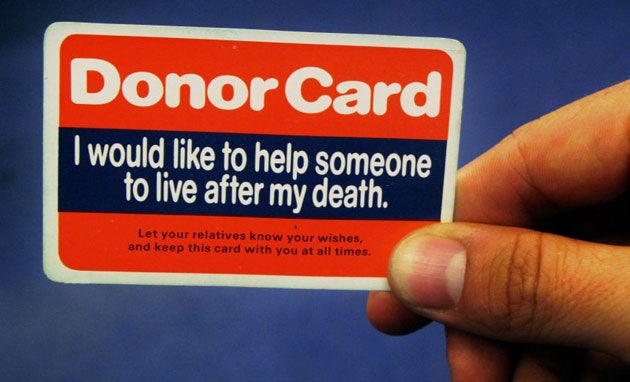
Gordon Brown said he was still prepared to push ahead with new rules presuming people are happy to donate organs after death, despite the plans being rejected yesterday by an expert task force he appointed. The Prime Minister is backing a change in the law to assume patients have given automatic "presumed consent" for their body parts to be used after their death, unless they decide to opt out.
At present, the legal situation is the opposite, giving surgeons the authority to remove organs only if the patient carries a donor card. The plans have been designed to tackle the shortage of organ donors, which leads to 1,000 patients dying every year while they wait for a transplant.
But the Government's organ donation task force, which gauged the opinion of the medical profession, patients, lawyers, religious leaders and politicians, concluded there was not enough evidence to justify a move which could actually reduce the supply of organs. It warned that the change could undermine confidence in doctors and surgeons, particularly among families who might fear care for terminally ill relatives could be compromised.
One task force member, Paul Murphy, an intensive-care doctor in Leeds, said: "Not all members of the public are supportive of presumed consent. They find it dehumanising, and they find it in conflict with choice, responsiveness and patient autonomy. It has the potential to undermine the concept of donations as a gift, to erode trust in NHS healthcare professionals and the government and negatively impact on organ donation numbers."
The task force recommended the voluntary system be retained and be backed by a major publicity campaign to boost the 16 million people who carry donor cards. Many patients' groups strongly oppose "presumed consent" and the Prime Minister himself voted against the proposed system in 2004. But he said yesterday: "While they are not recommending the introduction of a presumed-consent system, as I have done, I am not ruling out a further change in the law. We will revisit this when we find out how successful the next stage of the campaign has been. The proposal is that we double the number of [donor card-carrying] volunteers to 50 per cent. If we can't get there quickly, then we will return to the proposal I have put forward, which is a presumed-consent system." About 8,000 people need an organ transplant, but only 3,000 operations are performed each year. The British Medical Association (BMA) backs a compromise under which a presumed-consent policy exists, but organs could still then be taken only from the dead after the permission of relatives has been obtained. "Every year, people die because a donor cannot be found," said Tony Calland, the BMA chairman. "Evidence from other countries has shown that a system of presumed consent can address the shortage of donor organs and can save lives."
Norman Lamb, the Liberal Democrat health spokesman, acknowledged that it was an emotive issue but added: "The potential for saving lives through a system of presumed consent cannot be ignored. The experiences of other countries with such a system present a very powerful case for introducing it here. But it is vital that we ensure the ability to opt out is a genuine one. No families should be left feeling that such a step was taken against their will."
Join our commenting forum
Join thought-provoking conversations, follow other Independent readers and see their replies
Comments
Bookmark popover
Removed from bookmarks