Websites biggest terror threat, says watchdog
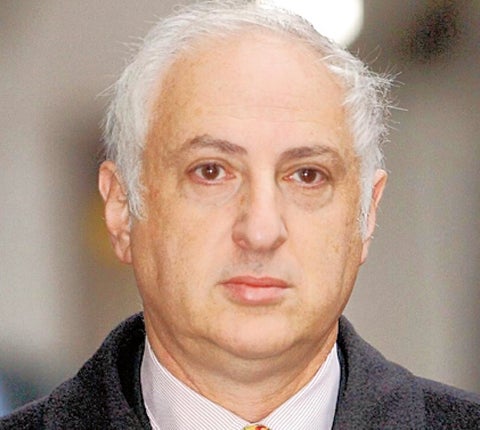
David Cameron should abandon his threat to ban the Islamist group Hizb ut-Tahrir and turn his attention instead to websites that openly advocate violence, Lord Carlile, the terrorism watchdog, urged yesterday.
Lord Carlile, a Liberal Democrat peer who has been the official reviewer of anti-terrorism laws since 2001, suggested that outlawing an organisation just because their views are offensive was not going to help the struggle against international terrorism. David Cameron raised the case of Hizb ut-Tahrir in his first exchange at Prime Minister's Question with Gordon Brown in July 2007, when he said: "Almost two years ago, the Government said that they would ban the extremist group, Hizb ut-Tahrir. We think it should be banned – why has it not happened?"
That exchange had led to assumptions that a ban on the Hizb ut-Tahrir, which describes itself as a global Islamic political party "devoted to cultivating a Muslim community that adheres to the rules of Islam", would be high up on the Home Office agenda under the new Government – though nothing has actually been said officially on the subject since May. In his annual report to Parliament, Lord Carlile suggests ministers drop the idea and concentrate on more pressing threats.
"The proscription of Hizb ut-Tahrir has been subject of political debate over several years," he wrote. "I doubt whether this would achieve anything that cannot be demonstrated more cogently in open debate with that organisation. Certainly we should resist strongly the temptation to proscribe organisations because we find their opinions and aspirations offensive."
He went on: "On the internet there are numerous sites, some highly offensive to those who enjoy our relatively peaceful national political life; some openly encourage violent jihad; some praise the asserted heroism of suicide bombers. International apathy has meant it is extremely difficult to remove these sites, mainly because of jurisdictional issues and in part because providers of the worldwide web are unwilling to judge sites with rigour and remove them, even when they encourage what is serious crime."
Lord Carlile also warned that there are too many dangerous individuals from overseas who are evading deportation from Britain because of the risk that they will be tortured or killed if they were returned home. In May, Abid Naseer, the alleged leader of an al-Qa'ida plot to bomb targets in the North-west of England, and another man, won an appeal against deportation to Pakistan because they faced torture or death back home.
Lord Carlile urged a more "imaginative approach" which would ensure that suspects who are returned to their home countries are not ill-treated.
"It is not acceptable for large numbers of persons to remain in the UK when their presence is contrary to the national interest and national security," he wrote. "More could be done to persuade home countries of the importance of ensuring that returnees are treated in accordance with human rights standards; and to ensure that case-specific, credible, realistic and verifiable evidence to support return is placed before the courts."
Though it is several years since there has been a successful attack by Muslim terrorists in the UK, Lord Carlile is convinced the risk has not gone away. In some ways, it is getting worse, according to his report.
He warned: "There is increasing evidence of terrorism being planned on a wider international front than before. Somalia and Bangladesh are worrying examples of countries in relation to which UK resident participants may be preparing acts of terrorism, and from which terrorism against the UK and UK assets may emerge."
Join our commenting forum
Join thought-provoking conversations, follow other Independent readers and see their replies
Comments
Bookmark popover
Removed from bookmarks