Cornish language declared extinct by UN
Just 300 speakers of dialect survive – and Welsh could be the next one to die out
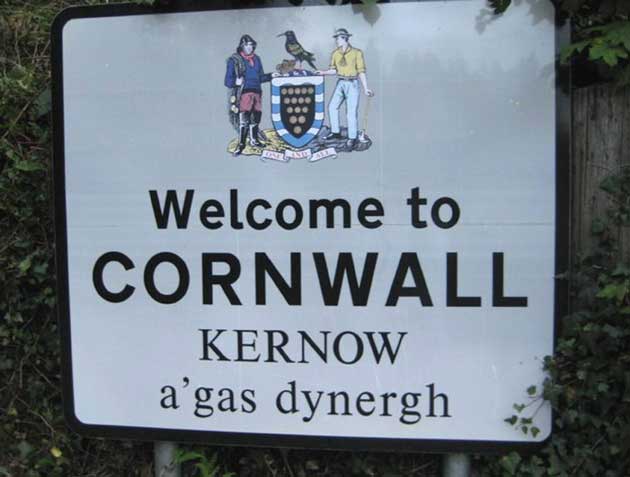
Celtic dialects from across Britain are featured in a new atlas of the world’s dead and endangered languages. Manx and Cornish have been declared “extinct” languages and Scottish Gaelic and Welsh will both need help if they are going to survive the 21st century, experts said.
The latest edition of Unesco’s Atlas of the World’s Languages in Danger of Disappearing was published yesterday and features about 2,500 dialects.
The organisation hopes the online atlas will aid research into the preservation of languages under threat.
Unesco’s director general, Koichiro Matsuura, said: “The death of a language leads to the disappearance of many forms of intangible cultural heritage, especially the invaluable heritage of traditions and oral expressions of the community that spoke it – from poems and legends to proverbs and jokes.”
There are thought to be just 300 fluent speakers of Cornish left and Jenefer Lowe, development manager of the Cornish Language Partnership, says reports of its extinction are premature. “Saying Cornish is extinct implies that there are no speakers and the language is dead, which it isn’t,” she said. “Unesco’s study doesn’t take into account languages which have growing numbers of speakers, and in the past 20 years the revival of Cornish has really gathered momentum.”
Mrs Lowe added: “As a result of the growing popularity of Cornish, it is in a fairly unique situation and therefore difficult to classify – along with Manx, which is also designated as extinct despite there now being a Manx-language primary school on the island.”
The Manx language was thought to have died out in the mid-19th century but there are now believed to be about 600 active speakers.
The Welsh Language Board says there about 500,000 speakers of the language, and census data from 2001 recorded about 50,000 speakers of Scottish Gaelic in the Western Isles. Unesco found that the greatest language diversity was in sub-Saharan Africa, where approximately 2,000 languages are spoken. Christopher Moseley, a linguist and editor-in-chief of the atlas, said that on the question of which languages survive, “there is a subtle interplay of forces, and this atlas will help ordinary people understand those forces better”.
Join our commenting forum
Join thought-provoking conversations, follow other Independent readers and see their replies
Comments
Bookmark popover
Removed from bookmarks