Remote island to get public convenience
Boom in visitors to bird colony has consequences for the island environment
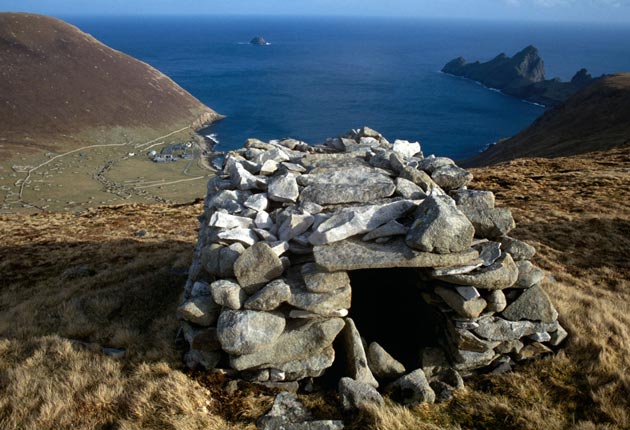
Standing in splendid isolation, 112 miles out in the storm-lashed Atlantic, it is being hailed as the toilet on the edge of the world. Yesterday it was confirmed that work was to begin on building Britain's most remote public convenience on the Hebridean island of Hirta in the St Kilda archipelago off northern Scotland.
In recent years, the increasing numbers of visitors caught short after making the long and notoriously choppy sea journey to marvel at the wildlife splendour of Scotland's oldest World Heritage Site have found themselves with only the most basic of facilities to contend with in order to answer their own calls of nature.
Divers, sailors, naturalists and sightseers were locked out of the so-called Puff Inn, the island's only hostelry, in 2005 when it was taken over by military technology company QinetiQ, which operates a missile monitoring base for the Ministry of Defence there because of terrorism fears.
But now, St Kilda's owner, the National Trust for Scotland, has announced that relief is at hand: work is to begin this summer on the restoration of the old manse building, a former sergeant's mess, as part of a £400,000 project that will see it turned into a visitor's centre with that vital toilet facility.
"It is very remote and a very small island on a very large ocean a long, long way from the mainland, said Angus Campbell, who operates Kilda Cruises sailing to the islands four or five times a week in summer. "There is no shop. All our passengers take packed lunches and drinks for themselves. It is very basic."
St Kilda is now visited by 5,000 sightseers a year, double the 2008 figure largely due to its incorporation in cruise ship itineraries. Even the most cosseted tourist with only a passing knowledge of the islands' long history should arrive prepared to rough it a little.
Life on the archipelago was notoriously bleak. Buffeted by gale force winds for an average of 70 days a year, the last 36 members of the indigenous population were forced to abandon their home in 1930 when things became just too tough. The delights of eating seagulls was not enough to sustain them. Their departure ended almost two millennia of human habitation.
Isolation and hunger were always the islanders' biggest foes as they followed a traditional way of life well into the 20th century. For hundreds of years, the small population of around 180 hardy tenants scratched what meagre living they could from the harsh landscape. Plentiful fowl was the key to human survival. Seabirds formed a major part of the St Kildan diet, especially gannets, fulmars and puffins with each islander estimated to munch their way through 115 birds a year. Boiled gulls were traditionally served as an accompaniment to porridge. Today it is Europe's most important seabird colony, its million-strong population of gannets and other species enjoying protected status as they nest in the soaring 190m cliffs.
St Kilda's growing popularity as a tourist destination poses a fresh risk: the arrival of rats on the island could devastate the native bird species as well as threaten the future of the St Kildan field mouse, which is twice the size of its mainland relative.
Join our commenting forum
Join thought-provoking conversations, follow other Independent readers and see their replies
Comments
Bookmark popover
Removed from bookmarks