Genocide courts attacked for failure to heal Rwanda's scars
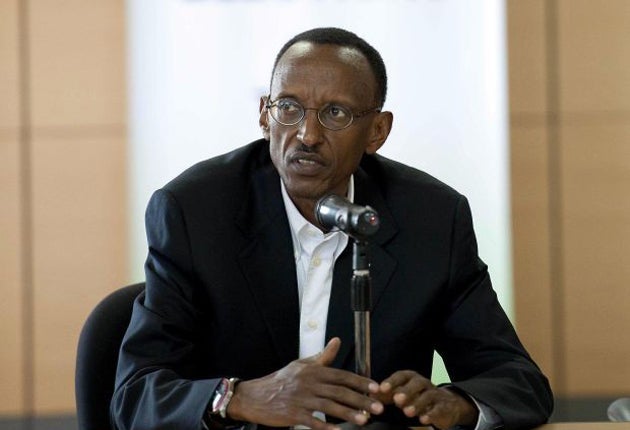
Rwanda's widely praised community genocide courts, due to wind up later this year, have done nothing to "heal ethnic divisions" and have been used to "bolster government authority", according to a new report by one of the country's leading donors.
The unique "gacaca" courts, which have heard more than one million cases, have been hailed as the centrepiece of the mountain nation's miracle recovery from the 1994 genocide but their reputation has been disputed in a study by the Japanese aid corporation, JICA.
The courts were touted as an "African solution" that would heal the legacy left by a Hutu-led genocide that killed nearly one in ten Rwandese, many from the Tutsi minority. But the gacaca courts are regarded in Rwanda as handing out "victor's justice", argues researcher Shinichi Takeuch, who says they "have done nothing to appease underlying ethnic tensions in the country".
Nearly a decade after 800,000 people were murdered in a 100-day killing spree, impoverished Rwanda found itself with 135,000 detainees and only 12 courts to process their cases. The innovative answer was to revive the concept of the customary "courtyard" or "gacaca" hearings and 11,000 of these courts were set up.
All but the top tier suspects – the planners and instigators of the genocide, notorious mass murderers and rapists who were sent to a UN tribunal – went to gacaca courts where witnesses could confront alleged perpetrators.
The government of President Paul Kagame said the courts are aimed at re-establishing a "concord" and "making the simple citizens who have been manipulated and have perpetrated the crimes to take a good start again".
Authorities vowed that justice could "become true only if the truth about the events is established".
However, while this week's report acknowledged the extraordinary scale of the problems faced by Rwanda and some local acceptance of the gacaca solution, it said that the justice they offered was allowed "only insofar as it did not threaten the existing political order".
President Kagame's Rwandese Patriotic Front, in power since 1994, has always claimed credit for stopping the Hutu-led genocide. But the President's reputation has lost some of its shine since it was accused of a violent crackdown in the build-up to last year's elections, sending hit squads to assassinate regime critics in the UK and South Africa among other countries. Kigali has denied murdering Rwandese critics living abroad and dismissed European and US critics for "imposing" Western democratic models on a fragile state.
Human Rights Watch, in its own report on the gacaca system earlier this year, said the courts had done well to process so many cases and alleviate prison overcrowding but had done so at the expense of fair trials and had failed to address crimes by Tutsi rebels.
The unusual source of this week's criticism of one of the central planks of Kagame's success story – coming from traditionally quiet donor Japan – will embarass Kigali. Tokyo's aid agency, Jica, handed out $33m (£20m) in grants to Rwanda last year.
Join our commenting forum
Join thought-provoking conversations, follow other Independent readers and see their replies
Comments