Leaked UN report reveals torture, lynchings and abuse in post-Gaddafi Libya
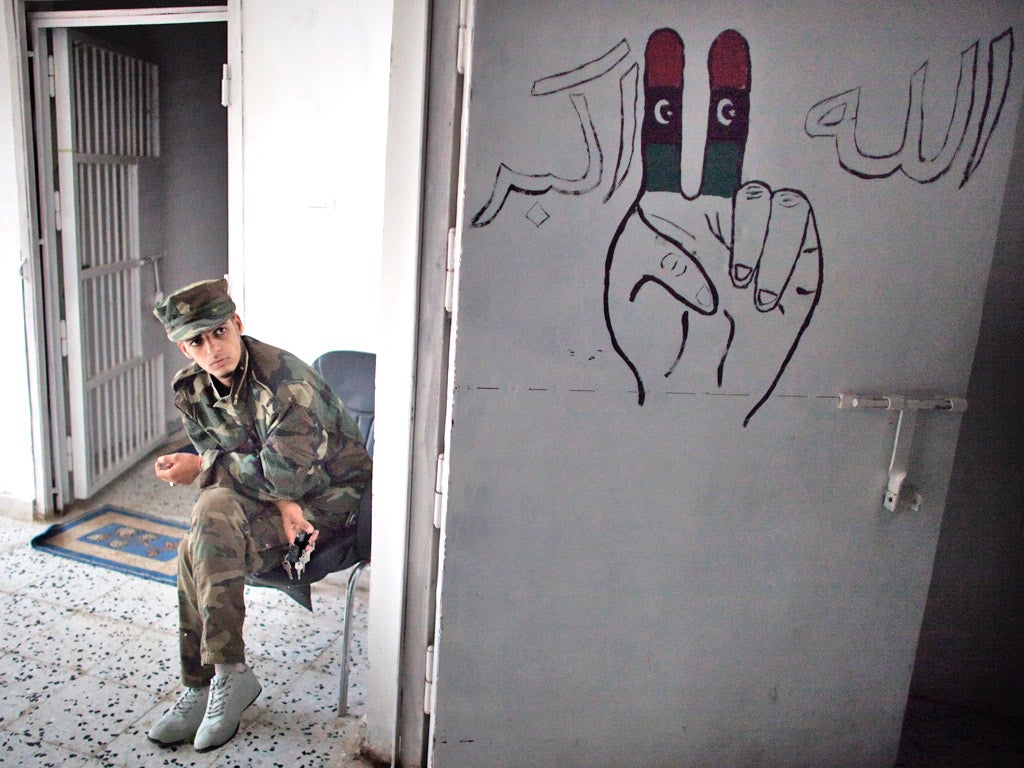
Thousands of people, including women and children, are being illegally detained by rebel militias in Libya, according to a report by the Secretary-General of the United Nations. Many of the prisoners are suffering torture and systematic mistreatment while being held in private jails outside the control of the country's new government.
The document, seen by The Independent, states that while political prisoners being held by the Gaddafi regime have been released, their places have been taken by up to 7,000 new “enemies of the state”, "disappeared" in a dysfunctional system, with no recourse to the law.
The report will come as uncomfortable reading for the Western governments, including Britain, which backed the campaign to oust Gaddafi. A UN resolution was secured in March in order to protect civilians from abuses by the regime, which was at the time mercilessly suppressing the uprising against the Gaddafi regime.
There was evidence, says the report by Ban Ki-moon, due to be presented to the Security Council, that both sides committed acts amounting war crimes in the bitter battle for Colonel Gaddafi's hometown, Sirte. The Secretary-General who recently visited Libya, echoes the concern expressed by many world leaders over the killing of the former dictator by rebel fighters pointing out that Gaddafi was captured alive before being put to death.
The report also stresses that it is a matter of great praise that the country has been liberated after 42 years of totalitarian rule. The victorious opposition - which formed a new interim government this week - fully intends to follow a democratic path and introduce a functioning legal system, he says. The report is due to be circulated among members of the UN Security Council, and discussed next week.
However, Ban Ki-moon also presents a grim scenario of the growing power of the armed militias that control of the streets of many towns, including those of the capital, Tripoli, and the settling of internecine feuds through gun battles resulting in deaths and injuries.
Meanwhile the lawlessness has resulted in the vast majority of the police force not being able to return to work. In the few places where they have been back on duty under experienced officers, such as Tripoli, their role has been restricted largely to directing traffic.
Libya is the only Arab uprising to have attracted direct Western military support, despite the closer links forged with the West in recent years by the Gaddafi regime. The resistance in London, Washington and elsewhere to Nato-led intervention in other Arab countries has centred largely on a lack of coherent opposition. Political backers of the air strikes in Libya had cited the National Transitional Council (NTC) as a credible alternative to the Gaddafi regime.
The scope of escalating strife, inside the country as well as the wider region, is highlighted by the caches of weapons abandoned by the regime and subsequently looted. These include shoulder-launched surface-to-air missiles, known as Manpads, capable of bringing down commercial airliners.
The Report of the Secretary-General on United Nations Support Mission in Libya (UNSMIL) states that: “Libya had accumulated the largest known stockpile of Manpads, of any non-Manpad-producing country. Although thousands were destroyed during the seven-month Nato operations, there are increasing concerns over the looting and likely proliferation of these portable defence systems, as well as munitions and mines, highlighting the potential risk to local and regional stability.”
But the continuing human rights abuses, says the Secretary-General’s report, are the most pressing concern. The report says that “while political prisoners held by the Gaddafi regime have been released, an estimated 7,000 detainees are currently held in prisons and makeshift detention centres, most of which are under the control of revolutionary brigades, with no access to due process in the absence of a functioning police and judiciary.”
Of particular worry was the fate of women being held for alleged links with the regime, often due to family connections, sometimes with their children locked up alongside them.
“There have also been reports of women held in detention in the absence of female guards and under male supervision, and of children detained alongside adults,” says the report.
A number of black Africans were lynched following the revolution following claims, often false, that they were hired guns for the Gaddafi regime. The city of Tawerga, mainly comprised of residents originally from sub-Saharan countries, was largely destroyed by rebel fighters from neighbouring Misrata. The port city had withstood a prolonged and brutal siege in the hands of the regime forces during which, it is claimed, fighters from Tawerga were particularly aggressive and brutal.
The report says that ”sub-Saharan Africans, in some cases accused or suspected of being mercenaries, constitute a large number of the detainees. Some detainees have reportedly been subjected to torture and ill treatment. Cases have been reported of individuals being targeted because of the colour of their skin.”
The document continues: “Tawergas are reported to have been targeted in revenge killings, or taken by armed men from their homes, checkpoints and hospitals, and some allegedly later abused or executed in detention. Members of the community have fled to various cities across Libya.”
The UN findings chart the vicious abuse carried out by the regime until the final days of the civil war. In a personal note in the document, Ban Ki-Moon said: “I was deeply shocked by my visit to an agricultural warehouse in the Khallital-Ferjan neighbourhood of Tripoli where elements of the Gaddafi regime had detained civilians in inhuman conditions, had subjected some to torture and had massacred as many as they could and burned their bodies.
“The international community must support the efforts to establish the fate of missing persons and to bring to justice perpetrators with the greatest responsibility for such crimes.”
Join our commenting forum
Join thought-provoking conversations, follow other Independent readers and see their replies
Comments