Bush's border fence destroys wilderness
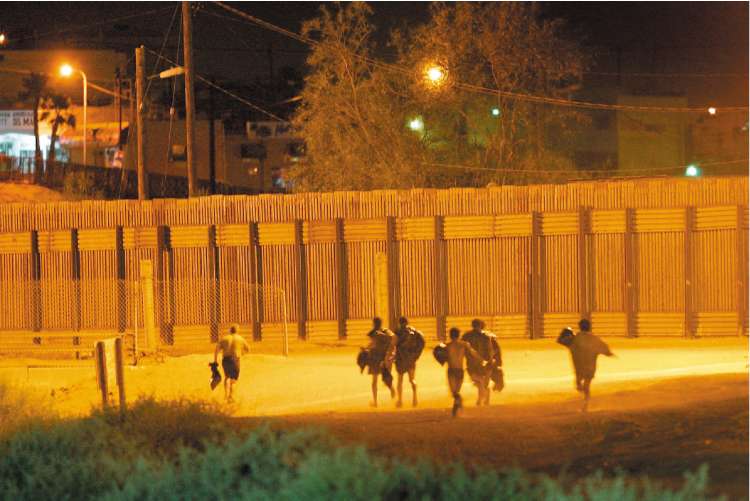
The Bush administration is pushing ahead with what critics say is a final act of environmental vandalism in casting aside more than 30 laws and regulations to complete a 670-mile stretch of fence along the US-Mexico border by the end of this year.
The remaining 350-mile section of the planned anti-immigrant fence will run from the Colorado river to the remote Peloncillo mountains on the New Mexico border, slicing through the delicate fabric of an extensive network of national parks, monuments, wildlife refuges, forests and wilderness areas.
The controversial fence will divide Native American reserves as well as cutting through lands which have been handed down through families since Spanish colonial times.
Bulldozers and construction teams will soon move on to previously protected federal lands with some of the richest and most diverse natural habitats in the US. The resulting barrier, including banks of floodlights to light up the desert sky, will be impenetrable to many mammals but not necessarily to humans.
Illegal immigration is one of the hottest issues in the US presidential election and a sore point for the Republican candidate, John McCain. The Bush administration wants to show progress on an issue which the polls show is important to conservative voters. After being harshly criticised for being weak on immigration, Mr McCain recently changed tack to support the controversial fence.
The Bush administration says the barrier is needed to increase national security and the Homeland Security Secretary, Michael Chertoff, defended the decision to disregard environmental laws as enabling "important security projects to keep moving forward." By mid-March, 309 miles of the fence was in place, with 361 miles left to complete, some 267 miles of which are federal lands. Mr Chertoff said that more than 100 meetings had been held with environmental groups and Native Americans to try to achieve compromise on the objections to the last, and most difficult, leg.
The sheer isolation of the Arizona border region has made its public lands a place of abundant wildlife and plants, many of which are found nowhere else in the US. The fence will cross vast desert valleys crowded with saguaro cactus and ancient ironwood trees, as well as forested mountain peaks and rivers bordered by graceful cottonwood forests.
An alliance of environmental organisations says it will endanger Sonoran pronghorns, burrowing owls and put two types of endangered cougar-like cats – the ocelot and the jaguarundi – at risk of extinction by preventing them from swimming the Rio Grande to mate.
For the last 10 years, the dramatic rise in immigration enforcement efforts in heavily populated areas such as San Diego and El Paso has driven immigrants, and drug traffickers to the remote borders of Arizona as they seek to enter the country.
The US Border Patrol has followed the immigrant trail, bringing havoc in its wake by using off-road vehicles and low-flying helicopters, which the Defender of Wildlife organisation says "has resulted in significant environmental degradation in some of the most pristine and valuable wildlife habitats in the nation".
Even as the fence is being built, debate continues about whether it will do much to stall illegal immigration. Fernando Carrillo, a 32-year-old construction worker who was deported from Arizona six months ago, told the Associated Press it would not stop him from trying to get back to his wife and children in Phoenix. "They can do what they want, but we will keep trying," he said beside the new barrier west of Nogales.
Join our commenting forum
Join thought-provoking conversations, follow other Independent readers and see their replies
Comments
Bookmark popover
Removed from bookmarks