Swamped by developers, but now there is hope for the Everglades
Return to the state of nature planned for Florida's unique 'River of Grass'
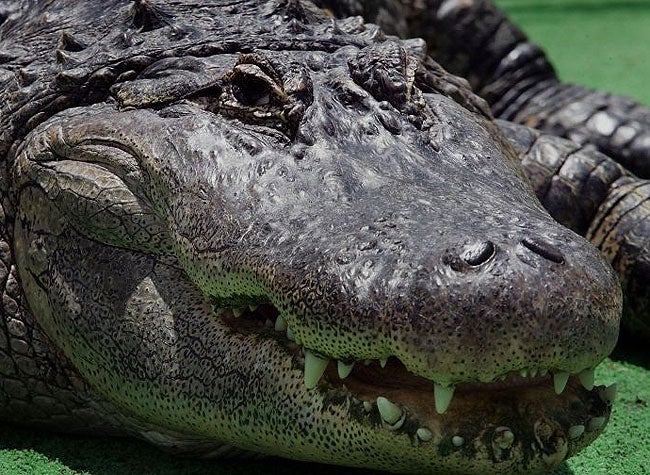
The Everglades of southern Florida, which have been under siege from development and farming for more than a century, have been offered a new lease on life with a plan to restore large areas to a natural, swampy state.
Some 187,000 acres of sugar plantation will be gradually returned to nature under the plan. The hope of environmentalists is that the slow-moving "river of grass" will flow north to south once again, restoring a delicate ecosystem that supplies fresh water to the aquifers of southern Florida.
Yesterday's deal was described as "an unprecedented opportunity to completely rewrite the course of Everglades," by Jeff Danter of the Nature Conservancy. The long-planned restoration effort is the largest of its kind in the world, an attempt to undo and reroute decades of flood-control projects that have diverted water to make way for growth.
Until yesterday, the prohibitive cost meant the plan was moribund. According to the author Michael Grunwald, half of the original Everglades has been lost, and the rest is polluted and no longer flowing naturally.
Just 100 years ago southern Florida was America's last frontier, a watery wilderness of slow-moving, shallow rivers. It had the largest mangrove ecosystem in the western hemisphere and was home to panthers, alligators and manatees.
Then came Napoleon Bonaparte Broward who hatched a plan to drain the Everglades for his 1905 campaign to become governor of Florida. He was so successful that a real-estate boom soon turned much of the sub-tropical wilderness into a long vista of strip malls with seven million residents.
What the estate agents couldnot sell was turned into sugar plantations, irrigated by pumps from decommissioned submarines. They sucked fresh water away from cities such as Miami.
The plan, announced yesterday by Governor Charlie Crist, may be the most optimistic environmental act by a US political leader in generations. The deal is for the state to spend $1.75bn (£900m) buying out farmland blamed for the decline of the Everglades from the US Sugar Corporation.
Mr Crist, who calls himself the "Everglades governor", has high hopes of being named John McCain's running mate for the election. His plan to roll back decades of mismanagement could work wonders for the poor environmental image of Republicans.
Praise for Mr Crist's initiative was almost universal. "It's mind-blowing," said Kirk Fordham, of the Everglades Foundation. "Who would have thought we'd see this in our lifetimes?"
The deal was described by Mr Crist as, "as monumental as the nation's first national park, Yellowstone". The state of Florida should now gain control of 200,000 acres of sugar plantations in what is known as the Everglades Agricultural Area, south of Lake Okeechobee. Environmentalists are hopeful that, as the area returns to its natural state, the original north-to-south movement of the "river of grass" will be restored. They also hope to end the outpouring of fresh water into estuaries, which is destroying coral reefs.
Florida is famous for its sunshine, but the southern part of the state is among the wettest places in North America, getting more rain than Seattle. All that rain used to end up in Lake Okeechobee and ran into the Everglades, a 100-mile long, shallow river flowing through serrated sawgrass from the lake to Florida Bay, between the southern tip of the state and the Florida Keys.
The Everglades are almost flat, so the wetlands remained waterlogged all year, creating underground aquifers which supply drinking water to Florida's cities. For many Floridians, their protection and restoration is of the highest priority.
They are just as worried about farm effluent that pollutes drinking water from the Everglades as they are about plans to start drilling for oil off the Florida coast. Governor Crist and Mr McCain have both changed position and said it is time to start drilling off the coast and yesterday's Everglades announcement may be designed to remove some of the sting for environmentalists.
The first efforts to subdue the Everglades were with canals dug in the 1880s. Map-makers did not know whether to draw them as land, water or swamp. Explorers dismissed the area where Indians had lived for centuries as "abominable," "godforsaken" and "hideous".
At home in the wetlands of the Sunshine State
FLORIDA PANTHER
These are a primarily solitary species and, with a top speed of 35 mph, they are formidable hunters. In the 1980s their population was thought to be below 50.
WOOD STORK
These birds feed by waiting for fish to swim into their bills, before snapping them shut. Their population in America dropped from 20,000 pairs in the 1930s to 5,000 in the late 1970s – attributed to the loss of their wetland habitat.
WEST INDIAN MANATEE
Known as sea cows, these ugly but loveable marine creatures can grow up to 13ft long. An estimated 1,865 live in Florida and they are endangered. Many die in collisions with boats.
BURMESE PYTHON
In 2005, 95 pythons were captured in the wild after they had been dumped by owners taken by surprise when cute baby snakes they had brought as pets needed more food than themselves once fully grown. The snakes feasted on the small animals of the Everglades – one exploded after trying to swallow an alligator.
Join our commenting forum
Join thought-provoking conversations, follow other Independent readers and see their replies
Comments
Bookmark popover
Removed from bookmarks