The end of Communism? Cuba sweeps away egalitarian wages
Raul Castro's reforms continue with abolition of rule that labourers and surgeons earn the same

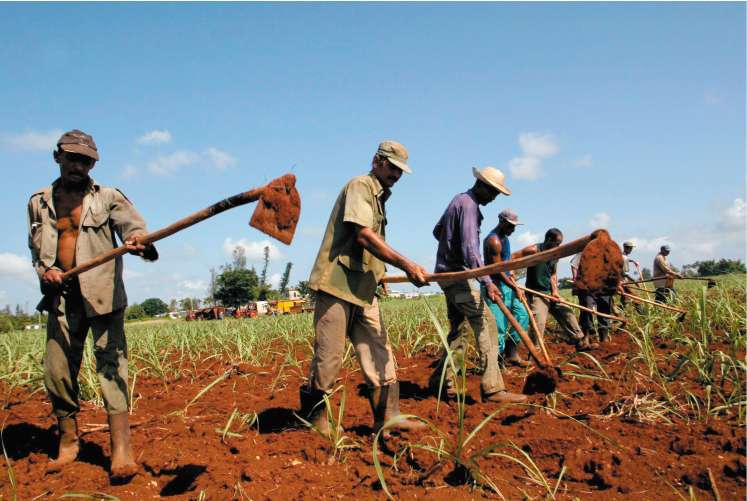
Cuba took another leap away from Fidel Castro's creaky egalitarian model yesterday when it swept away the wage restraints that have kept surgeons and taxi drivers on much the same salaries for the past 50 years.
The latest and most dramatic liberalisation by Raul Castro appears to be aimed at bringing to communist Cuba the Chinese-style economic reforms he admires so much. But the move falls far short of the political reforms that Cubans, both inside and out of the country, long for.
The new wage policy is the latest change by President Castro, who officially took over on 24 February but has been running the country since July 2006 when his older brother, Fidel, 81, suffered serious health problems.
Since February, Mr Castro, 77, has allowed Cubans to buy personal computers and mobile phones, rent cars and even stay overnight in hotels previously only accessible to foreigners, provided they can afford it.
He has shaken up the economy to pay farmers better and ease the impact of the world food crisis. He has commuted death sentences and released a handful of political prisoners. But his secret police have also broken up meetings of dissidents.
The decision to scrap one of the fundamental pillars of socialism, in place for the past 50 years, was revealed in an eye-popping item in the Communist Party newspaper, Granma, yesterday. In its deadpan style, Granma stated that "the socialist principle of distribution will be achieved wherein everyone earns in accordance with his contribution, in other words, pay in accordance with quality and quantity".
In remarks that will be astonishing to generations who have grown up on a diet of hardline Communist Party doctrine, Carlos Mateu, the deputy Labour minister, said in the article: "This [new] salary system should be seen as a tool to help obtain better results in output and services.
"Generally, there has been a tendency for people to earn the same, and that egalitarianism is not helpful. "That is something that we have to fix ... because if it is harmful to pay workers less than they deserve, it also is harmful to pay them what they have not earned."
The decision may reflect a need to keep a lid on civil unrest in the country. Food-price inflation has hit Cuba more than most, because so much of what the country consumes is imported. The nation's sugar industry is bankrupt and virtually all the chickens consumed in Cuba are imported from the United States But by sweeping away wage restraints, the authorities may now have to contend with social tensions caused by inequalities. The iron grip of the Communist Party over so many aspects of people's lives remains in place, as do the privileges accorded to the party elite, a source of great resentment in the country. The reforms could be risky, as the race for private wealth could unleash forces which prove too much for the Communist Party to contain.
The pace of change has been fast and furious since Mr Castro took over from his brother this year. Last month the authorities even said they were ending restrictions on sex-change operations. But while the changes have been popular, they are also seen as cosmetic, because Cubans are paid so badly.
The measure is part of the government's policy to get the moribund economy on the move again. The idea is to give people earning a typical salary of just $17 (£8.75) a month an incentive to work hard and make money. Cuban salaries are too low for families to survive on and are supplemented by a crude system of rationing.
Every Cuban family gets a single bar of soap a month, a portion of rice and "ground beef" that is more than 50 per cent soy. The ration system has given the Communist Party tight control over families, but it is widely abused and open to corruption.
Join our commenting forum
Join thought-provoking conversations, follow other Independent readers and see their replies
Comments