Allies to turn blind eye to corruption as Afghan exit strategy agreed
Troops will remain in place 'for decades' after handover to support local forces
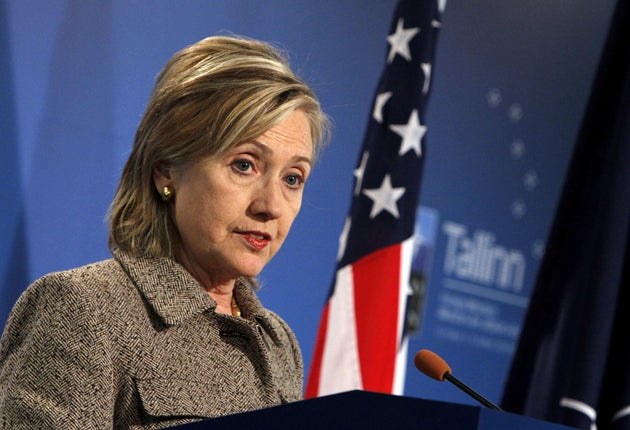
Nato has agreed on its long-awaited road map for the future of Afghanistan amid warnings that the process risks tolerating corruption and the power of the warlords for the sake of security.
The Alliance's summit in the Estonian capital ended last night without the details of the framework for a handover of security to President Hamid Karzai's forces being made public. The Independent has learned, however, that an area will be deemed ready for transfer if serious violence has been in abeyance for a period of time, if there is access to power by different ethnic and tribal elements and if the conditions are present for development projects taking place in relative safety.
According to senior diplomatic sources, clusters of provinces, rather than individual ones, will be transferred to "provide critical mass" able to withstand the Taliban. The decisions on the locations for handover and the timeframe involved will be made at a Nato conference later this year after talks between Western and Afghan government officials.
The start of the handover will not, however, mean that troops can start to withdraw, Nato officials stressed. British troops in particular will have to wait before pulling out as the areas in the south where they are based – the main battleground with the Taliban --– will be among the last to be transferred to Afghan control. Gordon Brown had stated that the handover process will start this year, allowing UK forces to begin returning home.
The Nato secretary general, Anders Fogh Rasmussen, warned: "The future of this mission is clear and visible: more Afghan capability and more Afghan leadership... But it will not be a pullout. It will not be a run for the exit... Our soldiers will move into a more supportive role. So it will be a gradual process. This is conditions-based and not calendar-driven.''
US Secretary of State Hillary Clinton said: "We believe that with sufficient training and mentoring, the Afghans themselves are perfectly capable of defending themselves against insurgents. Does this mean it will be smooth sailing? I don't think so, just look at Iraq. A lot of progress has been made there but there are still problems with terrorism."
Mrs Clinton said she appreciated that there was a shortfall of staff to train the Afghan security forces. However, she added: "We have a gap that we're still working to fill. I'm convinced we'll get that filled. For me, the glass is way more than half full."
Although Afghan forces will take the lead, Western troops will be available to provide firepower and back-up if the insurgents appear to be making a comeback. If an area which has been handed back shows signs of suffering from endemic corruption or depredations of warlords the local people could protest through shuras – public meetings – said Nato officials. Mr Rasmusson, however, has said the handover process would be "irreversible" and a senior Western diplomat acknolwedged that a degree of corruption will necessarily have to be tolerated as long as it does not threaten the security of Nato forces. "It is not for us to detemine whether a particular district's governance is working or not, it is whether there is a threat to the area to a point that the insurgency threatens to take over," he said.
The diplomat pointed out that the policy of transfers remained uncertain. "Unless we are saying that we will stay and colonise the country we can't say everything is irreversible for ever and we will probably need to remain in support for several decades."
Nato officials also said that the Afghan side in the talks to decide which provinces or districts were suitable for transfer would be represented by officials of the Karzai government at national and local levels and there would be no input from independent groups on the matter.
Some Afghan observers pointed out that Nato's seemingly relaxed attitude about corruption was in marked contrast to the public condemnation by the US and British governments of the corruption in President Karzai's government and his link to warlords such General Abdul Rashid Dostum and Marshal Muhammad Qasim Fahim.
Syed Ali Laghmani, a political analyst based in Kabul, said: "There is a big danger that areas will be given over to strongmen because they can deliver security for the right side and keep out the Taliban. If the West does not make sure that people do not suffer from corruption in these districts then there will be a lot of trouble in the future.''
Join our commenting forum
Join thought-provoking conversations, follow other Independent readers and see their replies
Comments
Bookmark popover
Removed from bookmarks