China prepares to clamp down on workers’ protests
Police undergo training to deal with labour unrest as millions of jobs are lost in economic downturn
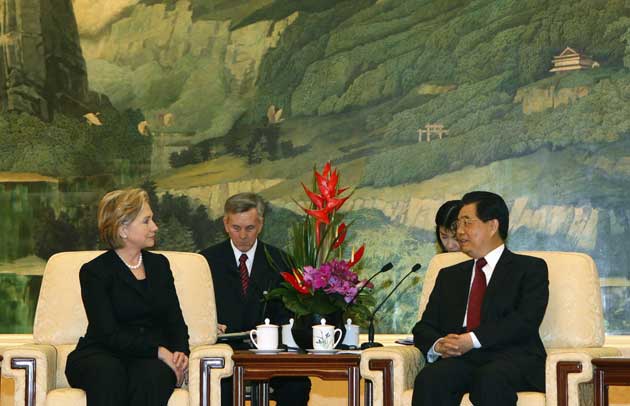
The Chinese authorities are training police forces around the country to deal with potential labour unrest as unemployment rises at its fastest rate for decades. President Hu Jintao has called on the army to remain loyal in the face of growing discontent at the first downturn many Chinese have ever experienced.
The global economic slump has already led to 26 million migrant workers, out of an estimated 130 million in China, losing their jobs. Collapsing export markets for Chinese toys, shoes and electronics have caused the closure of 670,000 small and medium-sized companies in the country, many of them based in the manufacturing areas of the south.
Workers have protested in the one-time boom towns of southern China’s industrial belt as foreign companies pull out. Outlook magazine, published by the official Xinhua News Agency, has warned that slowing economic growth may provoke anger, in particular among migrant workers and university graduates, and senior security officials have held conferences on how to stop instability taking hold.
Economic growth rates of about 8 per cent are needed to keep generating jobs in China, but the forecasts for this year are lower. The People’s Bank of China reckons remittances from migrant workers in the rich cities account for nearly two-thirds of an average rural family’s income, and the slowdown poses a major threat to stability in a country where the wealth gap between the urban rich and the rural poor is already wide. The Communist Party is concerned that the economic crisis could lead to unemployed farmers taking to the streets.
The US Secretary of State, Hillary Clinton, who was in China yesterday during an Asian tour, said the new Obama administration would stress co-operation with Beijing on the economy and climate change, rather than human rights. Before her trip she said: “When you think about the drastic rise in unemployment in China, many would argue that that’s a human rights issue. There’s going to be a lot of suffering that will come from that.”
Sun Chunlan, vice-chair of the government-controlled All-China Federation of Trade Unions, warned union leaders and local government officials that massive unemployment could seriously affect national stability. “Be on guard for hostile forces from both home and abroad that use the problems that businesses are facing to infiltrate and undermine the migrant workforce,” she was quoted on the People’s Daily newspaper website.
This June sees the 20th anniversary of the Tiananmen Square massacre. In 1989 a faltering economy caused workers to join students seeking greater political freedoms, and an alarmed political elite sent in the tanks to crush dissent. This year, with up to seven million graduates coming on to a tight job market, the government is taking steps to ensure social unrest does not threaten single-party rule.
President Hu has made dealing with the economy the chief task of the Communist Party. Speaking at the headquarters of the People’s Armed Police at Chinese New Year, he made what was seen as a veiled reference to the threat of social unrest when he called on the police to “engage in comprehensive military training, step up patrols, and boost their capability in handling emergency situations”.
Join our commenting forum
Join thought-provoking conversations, follow other Independent readers and see their replies
Comments
Bookmark popover
Removed from bookmarks