Exclusive: Army chief: 'We must tackle Taliban grievances'
Former head of SAS reveals how he will implement new strategy in Afghanistan
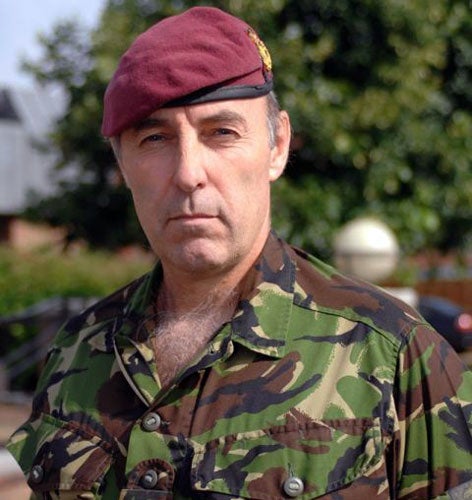
The British commander tasked with helping to bring to an end eight years of war in Afghanistan by persuading the Taliban to lay down their arms believes many in the enemy ranks have "done nothing wrong".
The Islamist extremists now waging a ferocious insurgency against Nato forces are almost universally reviled for promoting a medieval style of fundamentalism and perpetrating brutal abuses of human rights, but Lieutenant-General Sir Graeme Lamb told The Independent that many in the Taliban's rank and file carry a sense of "anger and grievances which have not been addressed".
The former head of the SAS has been asked to turn the seemingly relentless tide of war in Afghanistan by overseeing the implementation of the new US-led strategy of promoting engagement with Taliban "moderates" and convincing them to switch sides. However, he warned that it would be wrong and counter-productive to impose "Western preconceptions" on the process of winning them over.
The reach of the insurgency was highlighted yesterday by another bloody attack in the capital, Kabul, in which six Italian soldiers of the Nato force were killed. The continuing violence takes place against a backdrop of rising opposition in Europe to the conflict, recriminations over the course of the war, and an acrimonious confrontation between President Hamid Karzai and Western powers over allegations of widespread fraud in the Afghan elections last month. The process of "talking to the Taliban" is being presented as similar to the strategy employed in Iraq during the US-led military "surge" conducted under General David Petraeus.
Sir Graeme, 56, who worked closely with General Petraeus in Iraq, is seen by senior American military figures as one of those who was instrumental in turning Sunni nationalist groups (the so called "Sunni awakening") against al-Qa'ida, an initiative now seen as a major turning point in the war.
The tactic is, however, particularly controversial in Afghanistan, with human-rights campaigners and a number of Afghan MPs, especially women, fearing it will lead to the sacrifice of essential human rights and the reimposition of the strict Islamic sharia law in return for a ceasefire.
But in his first interview since his appointment to the post, Sir Graeme insisted the democratic gains achieved since the fall of the Taliban would not be jettisoned, and that dialogue with the insurgents was essential to end the bloodshed.
"We need to take a good look at the people we consider to be our enemies. A lot of young men fighting us have not done anything wrong. They have anger and grievances which have not been addressed. The better life they expected has not materialised; these are the people we must talk to, but we must make sure we have something to offer them."
The campaigning woman MP Malalai Joya, the target of death threats by insurgents, is one of those who have warned that "talking to the Taliban" could be the pretext for Western governments desperately seeking an exit strategy from their military quagmire to cut deals which involve compromising civil liberties. Speaking at Nato's headquarters in Kabul, Sir Graeme said: "There is no question of that – we are not here to give up people's freedom. What we do have to do is combine new culture and old culture and work out something that works. We will be listening to what our Afghan colleagues say. I will work very closely with them and let them set conditions.
"What we are talking about is bringing people who are outside society, in some cases forced outside society through no fault of their own, back into that society." Sir Graeme said he did not believe the Taliban were waging their war with the consent of the Afghan people. "I read the other day how they cut off the ears and nose of a bloke who was on his way to vote," he said. "Is that getting consent, or ruling by terror? What we need to do is ensure that men like that will get the security to exercise his right and, perhaps, one day, some of those fighting us now will be providing that security.
"Judge us by not just what we say, the promises we make, but what we do, what we deliver at the end."
Sir Graeme's crucial mission was at the centre of a fractious debate in Washington, DC last week over the expected call for thousands more troops by the US commander of Nato forces in Afghanistan, General Stanley McChrystal.
Appearing before a US Senate hearing, Admiral Mike Mullen, chief of staff of US forces, was asked why it took so long to call in the British commander to open dialogue with Afghan insurgents. He said it was "an area of focus". Asked how the Taliban could have seized the initiative against the world's most powerful military, despite having no tanks or aircraft, the admiral replied: "They are very good at it. It is their country. They know how to fight.
Sir Graeme said of his new Afghan posting: "I wouldn't have taken this job if I hadn't been confident of ultimate success, but there will be no quick fix. People who want major changes before Christmas will be disappointed, but I hope positive changes would become apparent by next spring and summer."
* Britain faces a "horse and tank" moment in deciding what kind of armed forces it can afford at a time of economic hardship, the new head of the army said yesterday. General Sir David Richards maintained that a stringent review was needed to answer the acute questions posed by warfare in the 21st century. He said: "To succeed, we must examine rigorously what capabilities we need and where we must rebalance our investment in defence – and rebalance we must, not from one service to another but from one type of conflict to another, for we simply cannot afford to retain a full suite of capability for all eventualities."
Join our commenting forum
Join thought-provoking conversations, follow other Independent readers and see their replies
Comments
Bookmark popover
Removed from bookmarks